Adult Learning
Beginners
Curriculum
Self-Improvement
Why Sight Reading and Improvising Are More Alike Than You Think
October 16, 2026

Sight reading and musical improvisation may seem like two totally different skills. The first involves performing sheet music on first sight. The other involves composing new music on the fly, staying in constant communication with your fellow musicians. But these two skills are more alike than you think, and they utilize a lot of the same musical mechanisms!
.jpg)
This chapter from Musical Excellence: Strategies and Techniques to Enhance Performance by Aaron Williamon talks at length about the shared mechanisms needed for sight reading and improvisation. One of the main shared mechanisms is pattern knowledge. Williamon argues that in practicing sight reading, musicians learn and store “combinations of notes that occur frequently within a style,” and those patterns can be quickly pulled from while performing.
In improvisation, pattern knowledge is equally important. Williamon makes the important point that improvised music does not come out of nowhere. Instead, it’s “typically based around some predetermined structure or form.” Having a deep knowledge of your musical style and the patterns involved are crucial to improvising within that style. Similar to sight readings, you need a knowledge of patterns to pull from. But while in sight reading this knowledge helps you take in sheet music more quickly, in improvisation it gives you an essential “building block” to spin into your own melodies.

It’s not enough for sight readers and improvisers to know the common patterns of the styles they play. They must also be “mastering the motor sequences that are required to execute the patterns that typically occur.” Williamon refers to this motor mastery as “under the fingers” skills. If you don’t have to put as much mental effort into playing certain patterns, more of your brain power can be redirected to other elements of your performance.
For sight reading, this may mean that you can put more focus towards tone, tempo, and preparing for unexpected notes or sequences. In improvisation, those motor skills give you more space for thinking about the melody, piecing together future sequences, and making other creative decisions.

Your pattern knowledge and programmed motor skills all come together to form one thing: adaptability. Sight reading and improvisation both “require the performer to adapt constantly to a changing environment.” You use your skills to plan ahead and “process information from some stimuli quickly and fluently.”
Studies show that experienced sight readers “consistently read six or seven notes ahead” in contrast to novices’ two or three notes ahead. Williamon explains that practicing sight reading leads to a more “informed” anticipation of the notes, which can be seen as “intuition” for experts in this skill. Because it can be so difficult to read and interpret every note as it’s coming, learning to anticipate what will most likely come next will help you quickly adapt to your music.
Compare that to improvisation. Williamon tells us that improvisers “anticipate entire sequences that hinge on particularly salient notes.” It wouldn’t make sense for an improviser to only think one or two notes ahead. In order to play a cohesive piece, they must be thinking about how their sequences of notes will fit together. And if the improviser is performing with other musicians, (free jazz, for example), they must constantly adapt to their fellow musicians. This requires a strong ability to listen, recognize patterns, and interpret them quickly while performing.
Sight reading and improvisation may seem quite different, but as we’ve discussed, they share a lot of the core mechanics and musical abilities. Whether through sight reading or improvisation, learning to play music without rehearsal can help improve your pattern knowledge, motor programming, and adaptability.
We here at MuseFlow strongly believe in teaching these skills for playing the piano. Our looping features and sight-reading-first curriculum train the exact “under the fingers” fluency that leads to this core adaptability. At MuseFlow, you can expect:
Whether you’re accompanying a singer with sight reading or performing improvised songs with a jazz band, you’ll find that learning pattern knowledge, motor programming, and adaptability will be crucial to honing those skills!

It’s a story as old as time. You picked up an instrument at a young age, stuck with it for a few years, took exams, played recitals. It was a part of who you were. Then one day your music lessons stopped, and before you knew it that instrument that was once so important to you was collecting dust in a closet.
One study showed that about 50% of students quit their instrument by the time they turn 17. So what are some of the reasons people drop out, and how do we address those so we can get back into it?
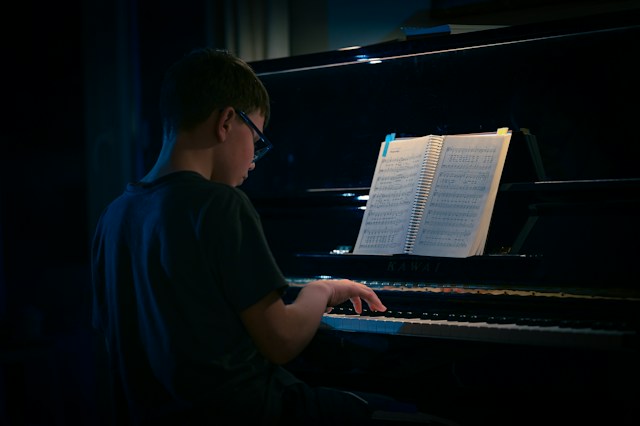
Students who drop out often cite boredom and frustration with the way they’ve been taught. The traditional learning systems tend to focus on rote memorization over real musicianship. The lack of variety of practicing the same song over and over again can suck the joy out of learning.
One study looked at some of the reasons students drop out of music education, and one of the main elements was the lack of autonomy associated with their classes. These students had started their music education “not out of personal interest but due to parental influence.” Furthermore, the study cited “a restrictive approach to learning, such as a limited repertoire” that creates a “gap between what is taught and personal interests.” If you aren’t learning the kinds of music that actually interest you, it can be hard to stay engaged!
These elements can all lead to music education feeling like an obligation rather than something you’re actively choosing to do. It makes a lot of sense that so many students quit in their high school years. The music classes of elementary and middle school disappear, school gets harder, and other interests start taking up more and more of your time. If music has felt like a frustrating obligation, you may find relief in focusing your energy on other interests.
If the strict schedule of traditional methods feels like school, and if you’re not someone who thrives or engages with that very specific structure, you need to find a system that works with you. Make a plan that fits your schedule and can be flexible to the happenings of your life. Align your learning with the most productive period of your day. It doesn’t matter if it’s 9am or 2am (unless you have roommates or neighbors, then it might matter when you play).
Find the reason you want to pick up an instrument again. Maybe you miss the creativity of playing an instrument. Maybe you want to perform… whether it’s just for friends or on a stage. Maybe you just want to learn without the strict structures and expectations of classes and exams.
The key here is want. Let your interests drive you rather than your obligations. That will help you create the best conditions to maximize your enjoyment when you pick up your instrument, so you’ll want to pick it up again and again after that.
Our online learning system MuseFlow allows you to pick up the piano whenever you want, for however long you want. Learn at your own pace with your own timeline so you never feel like learning is an obligation again. And our focus on sight reading over rote memorization means you can learn to play the kinds of songs you actually want to play and align your learning with your interests!
.jpg)
That same study also found that competency concerns were a major factor in students dropping out of music learning. Music competitions, exams, and comparing to others are all cited as things that can make a student lose self-confidence in their musical abilities. The study also states, “As students progress, increased difficulty may exacerbate feelings of incompetence, particularly if they are not adequately prepared, indicating that the perception of effort versus reward may influence their decision to continue.”
Learning an instrument can be hard, especially if you don’t feel like your classes are doing enough to help you improve. At a young age when self-esteem can be so fragile, it can be hard to keep returning to something that makes you feel inadequate.
You need a system that encourages Flow State. As we discussed in a previous post, Flow State is a state of deep focus that occurs when challenge and skill are carefully balanced. If a challenge is too easy you can get bored, but too hard and you can get frustrated. When you’re in your Flow State, you can feel engaged, motivated, and perfectly challenged. Time can pass without noticing because you’re so perfectly focused and having fun.
MuseFlow’s gamified system offers incremental challenge levels to ensure that you’re always presented with the perfect challenge. And our indefinite sheet music brings variety to your learning and keeps things fresh. These can come together to create the perfect conditions for Flow State, which can help you stay motivated, boost your self-confidence, and make learning fun.
There are plenty of reasons that you may have quit learning your instrument as a kid. And it can be hard to find the motivation to pick it up again. That’s okay. But picking up that instrument again can lead to a whole host of cognitive and emotional benefits. The key is asking yourself why you want to learn again and letting that drive you. If you create a learning environment that engages and motivates you rather than frustrates and discourages, you’ll get more enjoyment from your instrument, stay engaged, and keep with it. We at MuseFlow are here to help you do just that.
You may think that learning the piano only really prepares you for playing classical music. But in reality, it can be a gateway to playing just about any musical genre, including rock, pop, and jazz. Some of the most famous modern piano players are proof of just how versatile this skill can be.
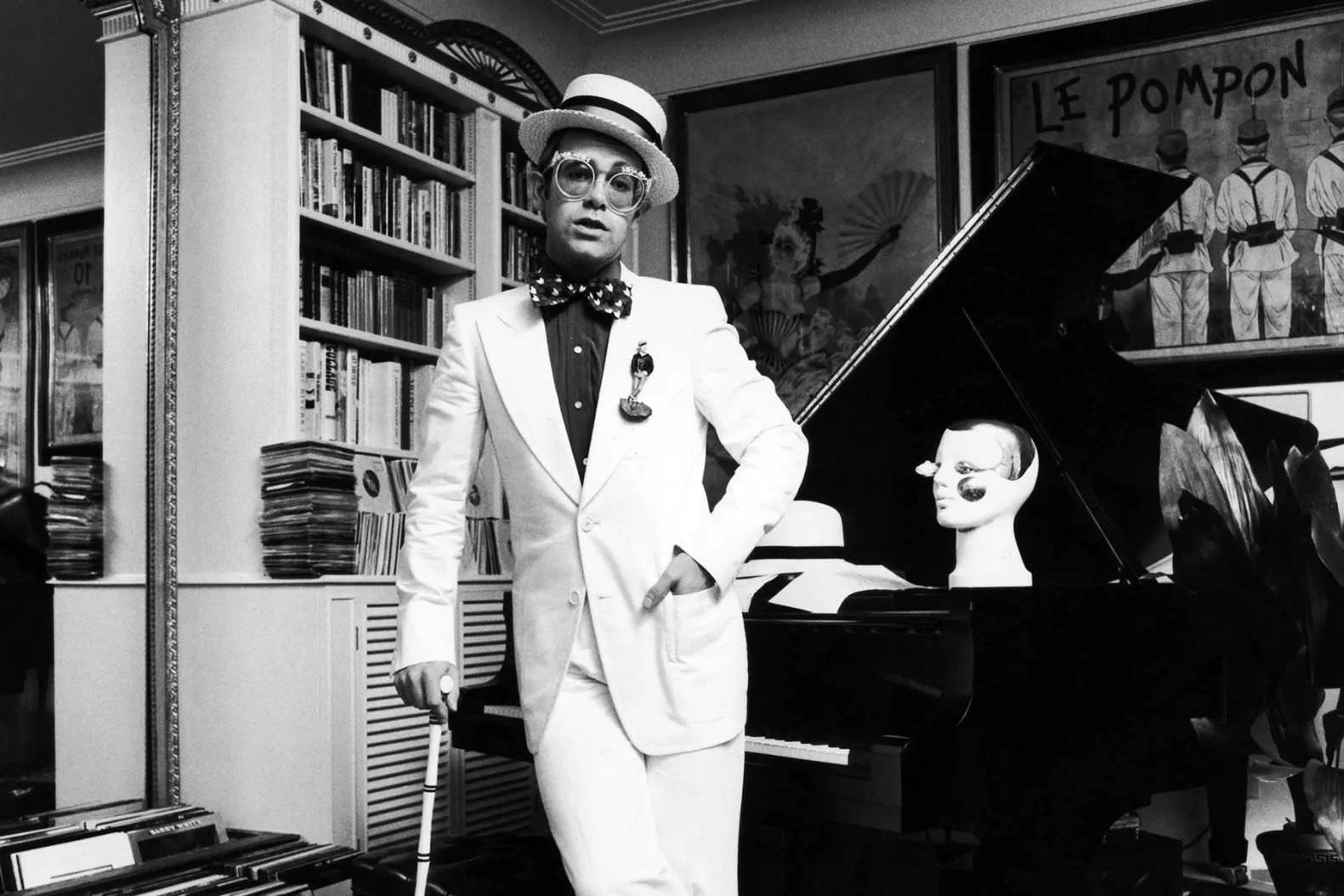
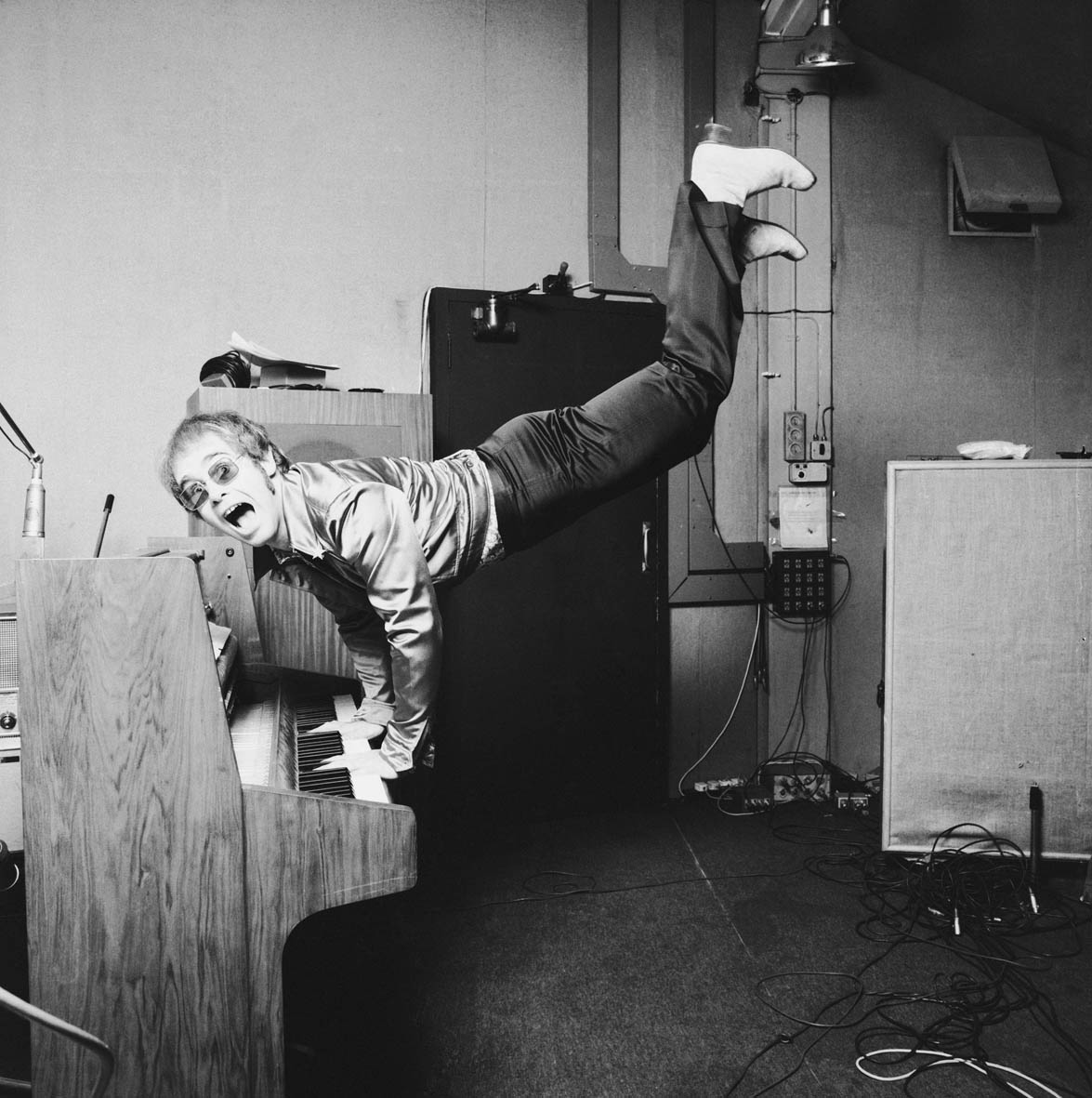
English rock star and EGOT-winner Elton John got his start with classical piano training, joining the Royal Academy of Music at London when he was 11. He credits his piano training for his successful career, saying, “In those days, the Academy meant classical music and nothing else — certainly no rock n’ roll. That was the devil’s music. But without my training, I never would’ve been able to write the songs I’ve written.”
Elton would leave the Royal Academy at 16 to pursue his rock career, and he would go on to become one of the biggest stars of all time. He explains that his classical training taught him the “rudiments” of musicianship like “chord structure” and “melody.” He also says you can hear the direct influence of his classical training on songs like “The King Must Die” and “The Greatest Discovery.” He shows us the benefits of learning a style outside of your main interests, saying that classical training, “introduces you to music that’s beautiful and miles away from what you might do. It fills your mind with options.”
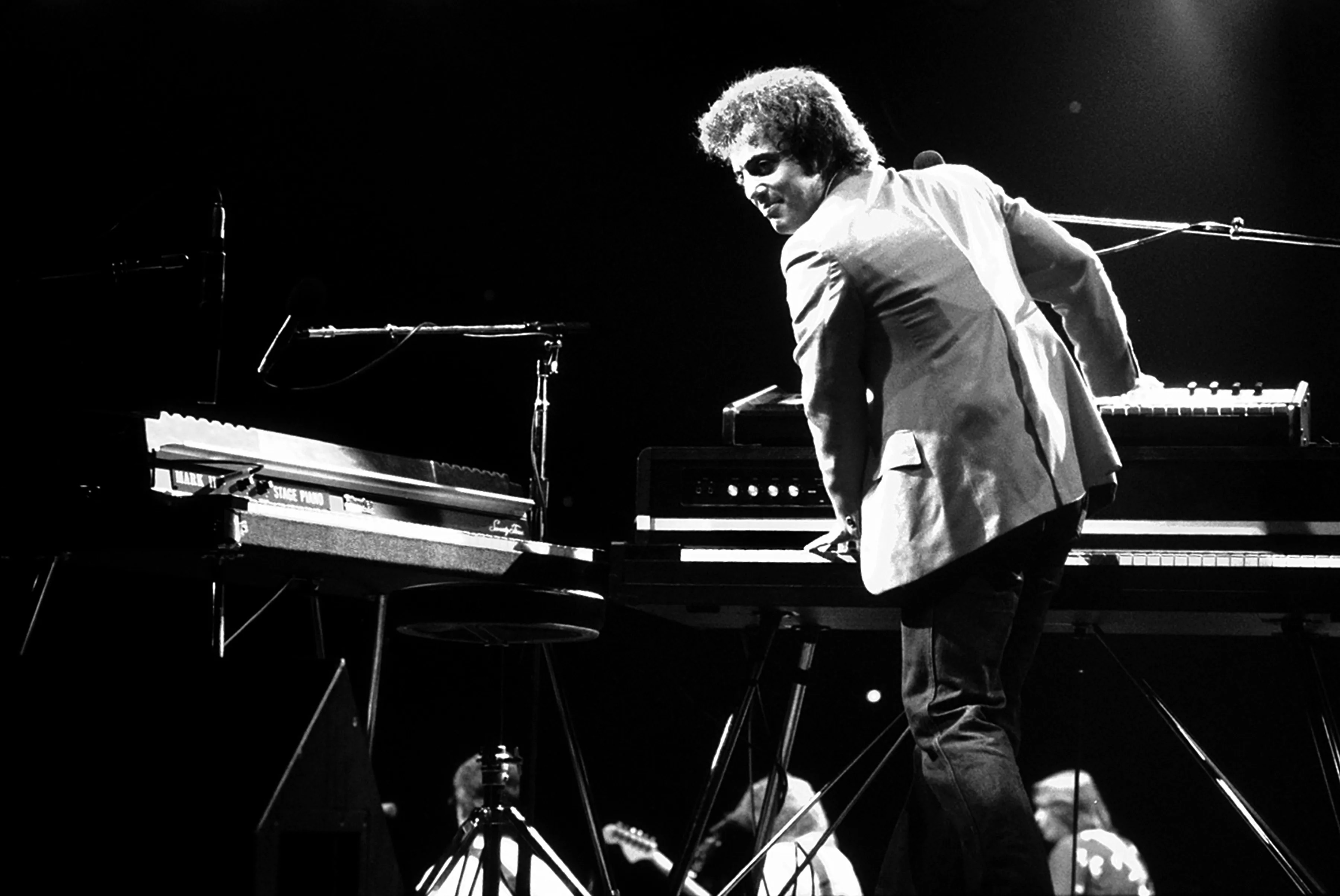
The “Piano Man” himself also had a strong classical foundation that helped him build his rock career. Billy Joel had private teachers rather than at an academy, with lessons beginning at 4 years old. He was influenced by classical composers like Beethoven and Debussy, as well as contemporary musicians like Ray Charles and The Beatles. Seeing The Beatles on The Ed Sullivan Show “lured Joel to popular music.” And similar to Elton John, Joel ended his piano lessons at 16.
Like Elton John, Joel’s classical upbringing had a clear influence on his rock career. The most obvious example is his song “This Night,” which utilizes the second movement of Beethoven’s “Pathetique” sonata. His career shows the benefits of a strong musical foundation, regardless of how your musical taste and voice change over the years!
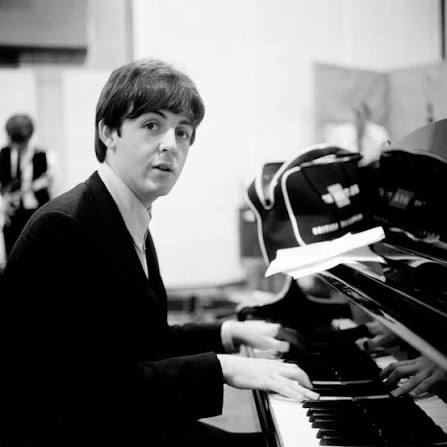
Unlike Elton and Billy, Paul McCartney was almost entirely self-taught. He first learned the piano by listening to his musician father. He only lasted about “four or five weeks” at formal piano lessons, and instead learned to play by listening to music, imitating it, and experimenting. His influences included American artists Little Richard, Chuck Berry, and Buddy Holly.
McCartney’s musical origins were unconventional, lacking formal training and based more in the rock and pop records he liked, but he has still said that he had a “subconscious” exposure to classical music…and even composed some classical music later in life! Through it all, the one thing that stayed steady was his passion and willingness to learn music in the way that made the most sense to him.
When it comes to learning music, you’re often told that there’s one specific path that you need to take. But these incredible musicians prove that’s far from the truth. You can start with classical music like Elton John and Billy Joel, or you can start with rock and pop like Paul McCartney. None of it will stop you from moving between genres later…in fact, it will only open you up more to them and help you to blend them together. The most important thing is that you find an approach that interests and engages you.
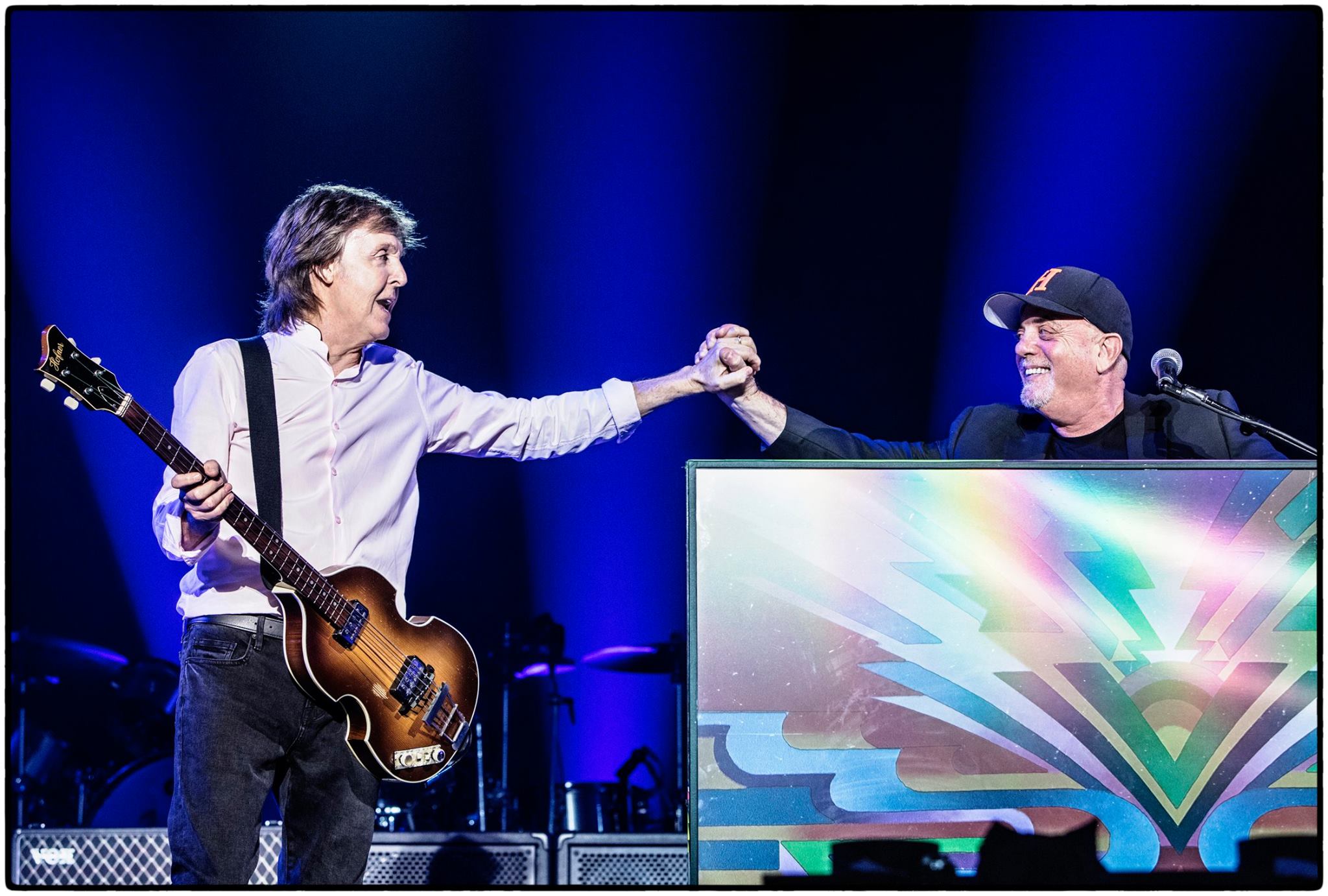
Learning the piano isn’t necessarily about becoming a classical pianist or famous rock star. It’s about developing your musical foundation that lets you eventually play…and create…the music you love. Building that foundation can also help you find your voice and musicality…something that will lead you to express yourself and connect with others through music.
We at MuseFlow strongly believe in establishing that musical groundwork to help you learn piano and find your musical voice. Our approach prioritizes sight reading over rote memorization, giving you this valuable base skill with opportunities for fast progress. Sight reading can give you the foundation you need to play any genre. Our program offers:
Whether you already know what genres you want to play or you’re still figuring out your voice, MuseFlow is here to help you learn and encourage you on your musical journey! Maybe one day we’ll be listening to Your Song on the radio.
The best movie scores are instantly recognizable and inextricable to the film itself. I spoke in another post about the ways video game scores help set the tone, clarify characters, locations, and stakes, and give emotional feedback. Movie scores are similarly important to narrative storytelling. And the best scores do more than contribute to the narrative. They become works of art in their own right, played by pianists and orchestras around the world. Today we’re going to dive into the most memorable scores and what exactly makes them so timeless.

I recently got to explore the Jaws exhibit at the Academy Museum of Motion Pictures, and an entire section of the exhibit was dedicated solely to Williams’ score… including a mini piano with notes lit up to help you play it! Spielberg once remarked that “the score was clearly responsible for half the success of that movie.”
The timelessness of this theme is in it’s simplicity. Only two notes (E and F) make up the core of the theme, utilizing tempo to slowly build terror and suspense. As this article explains, the movie intentionally hides the shark until late in the film, but the music stands in for the shark (a technique known as a leitmotif), helping build tension around the unseen monster as it stalks its prey. That filmmaking technique of waiting to reveal the monster, although initially caused by issues with the mechanical shark, has been used in horror movies ever since.
John Williams shows us that a simple tune effectively deployed can create a strong emotional response… and one of the most iconic themes in cinema history!
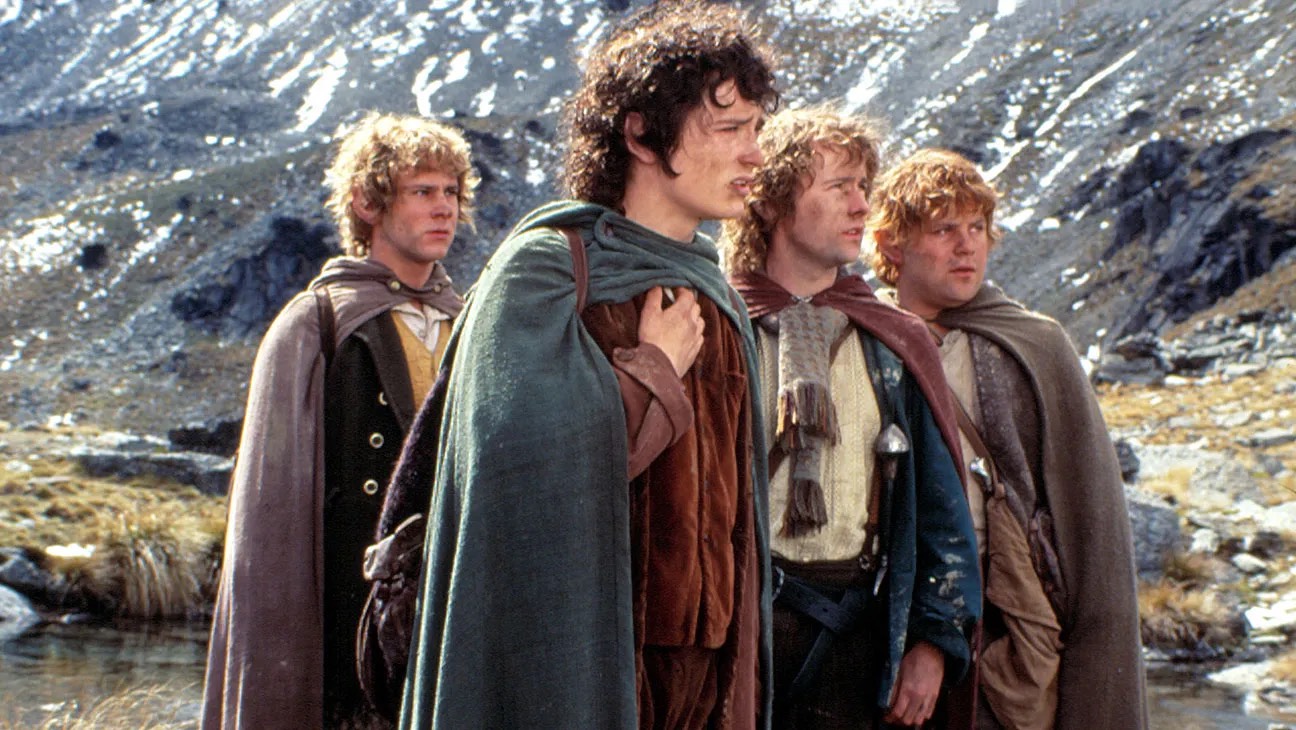
While the Jaws score is timeless for its simplicity, Howard Shore’s score for The Lord of the Rings trilogy is timeless for the exact opposite reason. Shore created over 13 hours of music with hundreds of musicians, and the score’s grand scale matched the grand scale of the trilogy.
With his use of various musical styles, Shore was able to create over 50 leitmotifs to really immerse us in the different regions, characters, and cultures of Middle Earth. Musicologist Doug Adams wrote that in “Concerning Hobbits” Shore wanted to feel like “the hobbits were playing the music.” In some songs, Shore even included vocal elements of Tolkien’s invented languages to really transport us to Middle Earth!
The Lord of the Rings was a stunning feat of filmmaking, and Howard Shore’s scores perfectly reflect that. It’s no wonder he won three Oscars, two Golden Globes, and four Grammys for them!

Ennio Morricone’s Spaghetti Western score has become so synonymous with the genre that it has been parodied in countless stand-off scenes throughout the years. The strange, unique musical decisions, including utilizing gunfire, whistling, yodeling, whip cracks, Sicilian folk instruments, trumpets, and electric guitar, all come together to create a score that’s so original that it can’t help but be totally timeless.
Morricone has a long history in Italian avant-garde music, and that experimental instinct makes its way into this score. Morricone stated, “I come from a background of experimental music which mingled real sounds together with musical sounds.” This is especially true for the iconic main theme, which uses a sound modeled on a coyote howl to evoke a “desolate western wilderness.”
Morricone brings emotion to the action and characters, especially helping to build tension in the famous climactic face-off scene. His avant-garde style helped to create a score so timeless that it has set the tone for the entire Western genre ever since.

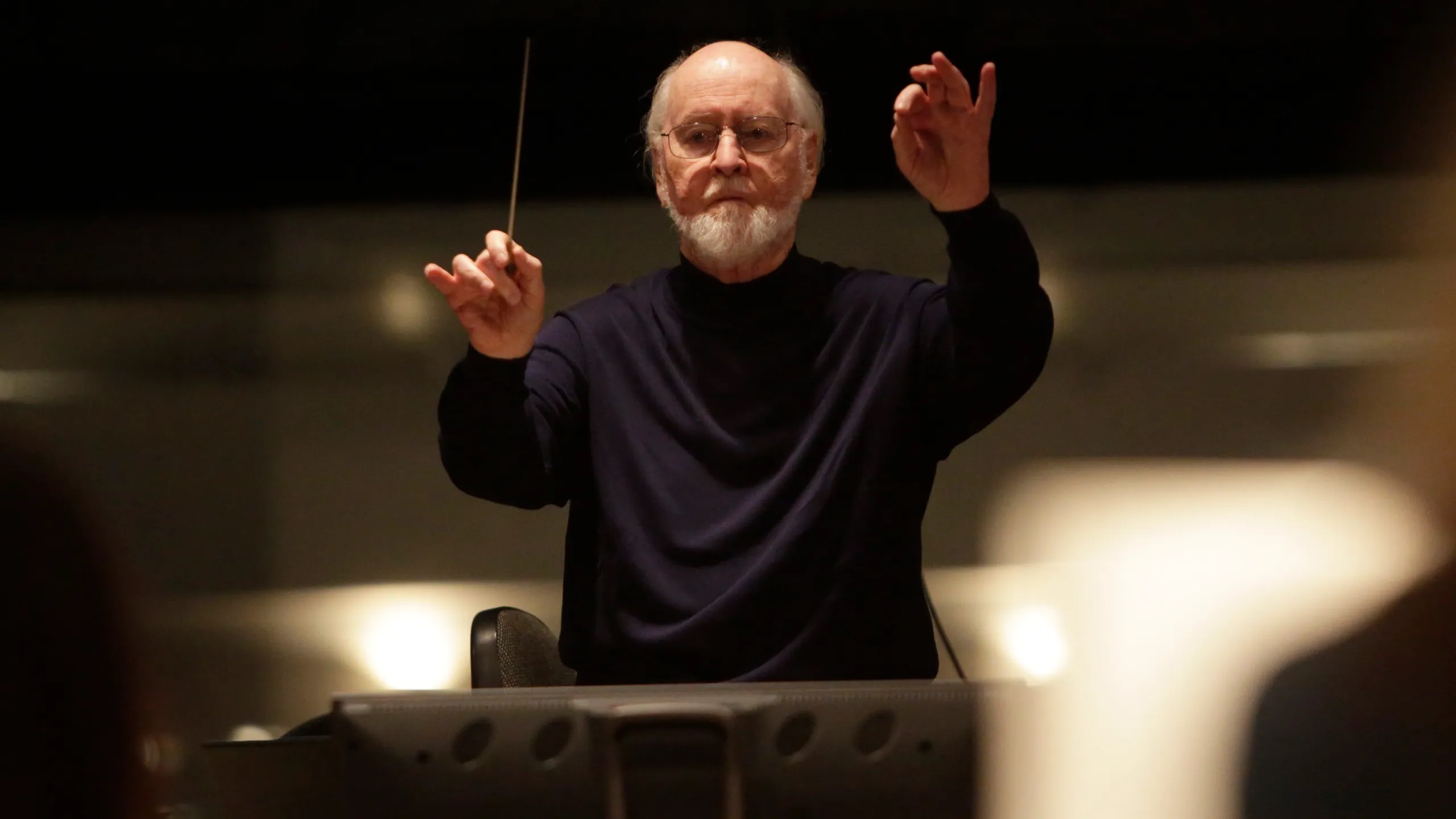
I could have written this entire post about John Williams (Jurassic Park, Indiana Jones, Harry Potter, ET, the list goes on). So I’m really limiting myself by only including two. But I couldn’t leave out one of the most recognizable scores in all of cinema… Star Wars.
Similar to The Lord of the Rings, the timelessness of the Star Wars score is in its scale. When the movie begins, we’re blasted with a “Korngoldian heroic fanfare” that immediately tells us that we’re about to embark on an grand adventure. Williams’ leitmotifs are instantly recognizable… you know exactly who’s walking through the pneumatic doors when the “Imperial March” begins. As this article explains, Williams’ orchestral music adds a level of gravitas to characters and scenes, helping to bring the epic-ness to this space epic.
According to this article, Williams’ "neoclassical compositional style” had a huge impact on movie scores, and because of Star Wars “it’s become standard to expect a large operatic/symphonic score for blockbuster films…” It’s clear that the world of film scores just wouldn’t be the same without John Williams.
The best film scores are original, catchy, and perfectly tailored to their moves. But more than anything, these scores are timeless because they immediately evoke a feeling… whether it’s the encroaching panic of Jaws or the epic adventure of The Lord of the Rings. It’s that emotion that makes us want to hear… and play… these songs over and over again.
We here at MuseFlow believe in the power of music, and that’s why we’ve created our gamified piano learning program. Our program makes learning the piano fun and achievable with:
Everyone has a film score that speaks to them. Personally, I’ll never fail to be hyped up by the swashbuckling score of “Pirates of the Caribbean.”
Learning sight reading has come a long way in the past year. If you’re still using older methods, you’re missing out—not only on the enjoyment of learning with cutting-edge techniques, but also on your earning potential as a musician. Here’s a way to understand it.
You buy a series of sight reading books. You’re stuck following static exercises, with no way to know if you’re truly improving or if you’re even practicing correctly. Once you finish the book, you need another—and then another. The time commitment is high, much of it wasted on inefficient exercises, with no real-time feedback to tell you whether you’re playing the notes correctly.
The result? Frustration. Progress feels slow, and the vast majority of learners quit before reaching proficiency.
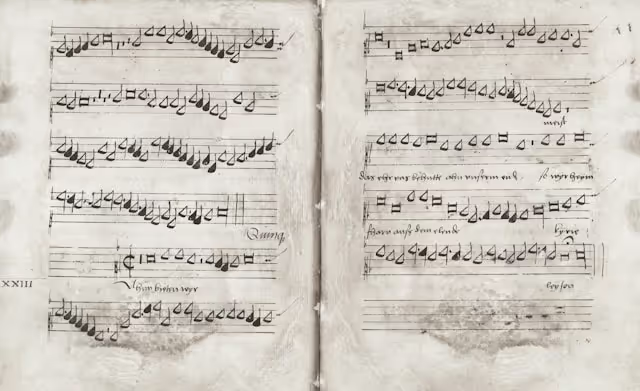
This is just an evolution of the Ancient Way—it’s more of the same. Along with sight reading books, you have access to websites with downloadable pages or apps featuring more static music. But ultimately, it’s still just a library of music.
Sure, online tools and mobile apps provide more material, but the burden is on you to figure out:
Even if you’re willing to pay for an app, you still need to sift through an overwhelming amount of material in a song library and curate a plan yourself. That mental overhead doesn’t go toward practicing sight reading—it’s spent assembling your tools.
And let’s not forget: You can only sight read a piece once. After the first play-through, your brain starts to memorize the music, and it’s no longer sight reading.

Thankfully, cutting-edge technology makes the Ancient Way and Old Way obsolete. With MuseFlow, you no longer need to waste time curating materials or wondering if you’re improving.
MuseFlow is radically different.
The unique value proposition of MuseFlow is that it offers infinite, dynamically generated music, precisely targeted to help you improve. MuseFlow is your personalized coach, tracking your progress and adapting dynamically to your needs.
With MuseFlow, progress is:
MuseFlow is completely different. MuseFlow just doesn’t give you more, but gives you the precise sequence of notes you need to make progress. Measures of music are being created on-the-fly according to your skill level. There’s no system that even comes close.
The unique value proposition of MuseFlow is not that you have "more" but that you have "infinite" AND that infinite amount of music is presented in real-time, in the context of mastering the skill.
MuseFlow is your personalized coach, delivering tailored exercises, tracking your progress, and adapting dynamically to your skill level. With real-time feedback, you know exactly how to improve, and every session brings you closer to mastery.
MuseFlow is radically efficient compared to other learning methods–You’re in the Flow! Progress is fast, engaging, and measurable.
Imagine three intermediate pianists in the same city—Sally, Sam, and Sarah—all competing for the same high-paying piano gigs. They share the same goal: to reach advanced sight reading proficiency and start earning from weddings, events, and restaurants.
Their chosen learning methods, however, set them on very different paths.
Sally’s faster progress gave her a critical advantage. By Year 1, she was already booking gigs, gaining experience, and building demand. Meanwhile, Sam and Sarah were still learning.
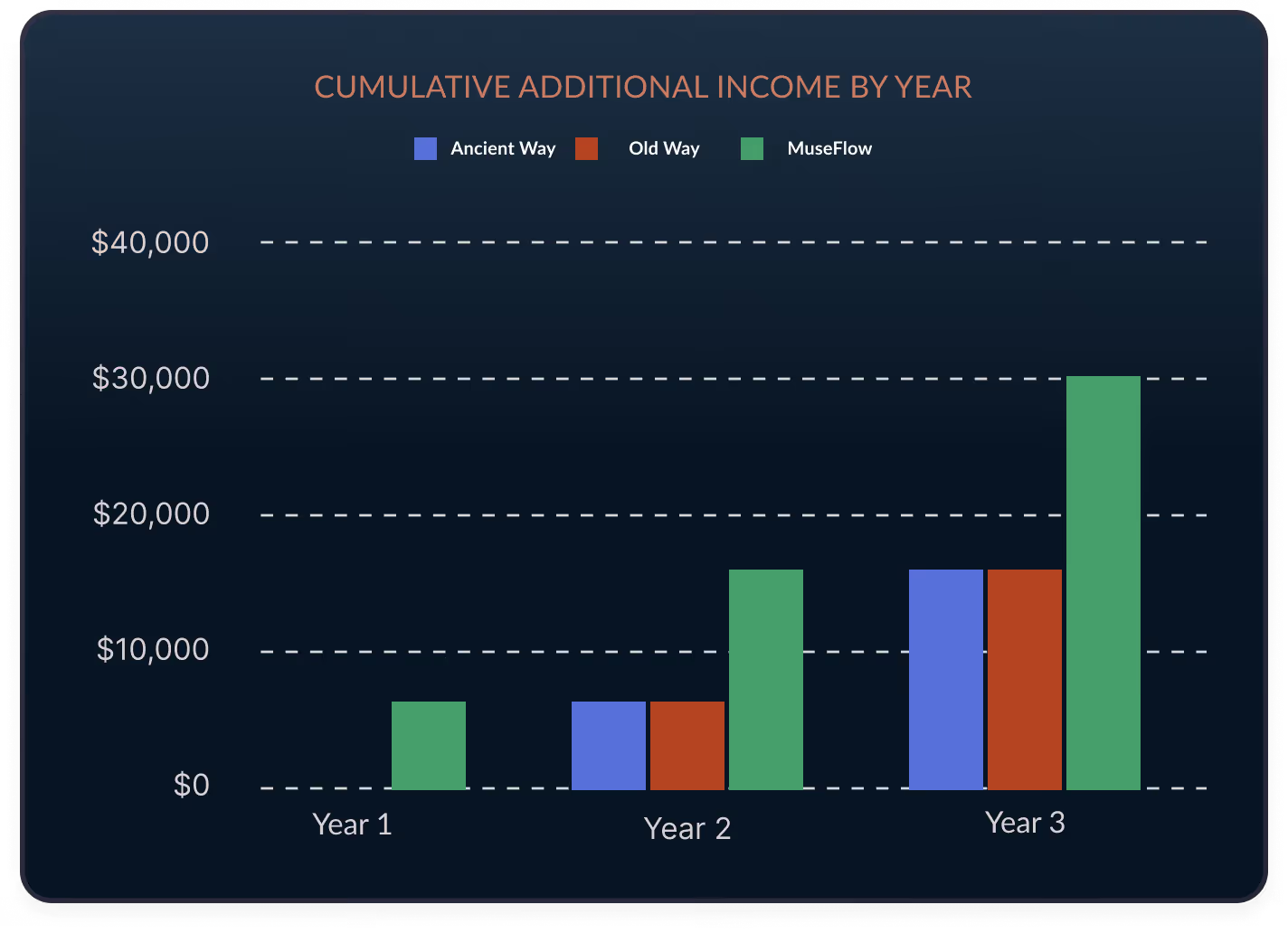
Sally’s faster proficiency gave her a head start. Starting Year 1, she was already booking gigs, gaining experience, and building demand. Sam and Sarah, meanwhile, were still learning, assuming they had even continued in their strategies (more on that later).
As a result, Sally consistently earned more across the three years, with increasing rates and more gigs over time. The cumulative effect of Sally’s early start is undeniable. By Year 3, she has out-earned both Sam and Sarah by a wide margin.
Sally’s choice to use MuseFlow didn’t just save her time—it accelerated her earning potential, giving her a distinct edge in the competitive gig market. With MuseFlow, she didn’t waste hours on inefficient methods or outdated tools. Instead, she focused on building her skills quickly and effectively, positioning herself for long-term success.
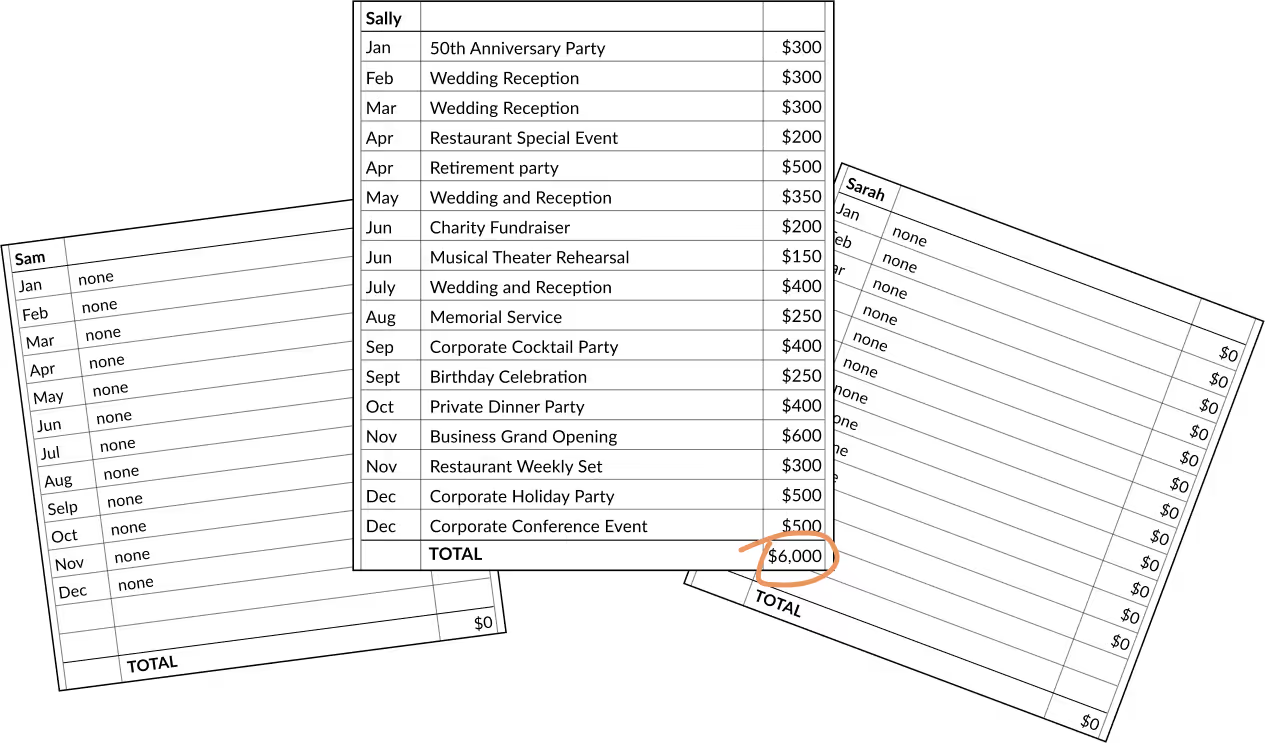
For example, if Sally plays at several gigs throughout the year, she will have earned $6,000 by the time Sam and Sarah are just getting started. She is more than a break-even point on her first gig where she gets to showcase her new-found sight reading proficiency. Sally can reinvest in her skills, gain more experience, and build her reputation faster. By the time Sam and Sarah reach proficiency, Sally is already well-established. MuseFlow enables learners to break even on their investment significantly faster. Look how the three of them compare for that first year.
But Sally’s competitive advantage doesn’t stop there.
Sally, Sam, and Sarah aren’t even close to equal footing when it comes to their ability or enjoyment of learning. Why? The likelihood for Sam or Sarah to actually complete all the coursework in the Ancient Way or the Old Way is highly unlikely.
Because of how MuseFlow harnesses our human desire to learn and be in Flow state, Sally is highly likely to actually achieve mastery. Her likelihood for success actually skyrockets.
Sam and Sarah have to select, purchase, and then curate their own path forward to learning by choosing from a myriad of exercise books and websites. Simply search for “sight reading books” and you’ll discover what variety is out there for all sorts of instruments, age levels, and interests.

Once Sam and Sarah have the books, apps, videos, or Internet resources, then they need to learn the particular system for each and then slog through them.
They will be the musician and judge simultaneously to determine if they are ready to proceed to the next exercise or book. They have zero feedback to know if they’re playing the exercises correctly.
In all likelihood, despite Sam and Sarah’s good intentions, most of their sight reading exercise books and online resources will go untouched. They will simply join the statistics of so many who do not increase their sight reading proficiency.
On the other hand, Sally opens her laptop with her digital keyboard, and the EXACT music she needs to learn sight reading is given to her. Down to the musical measure, it’s precise for her skillset. Even more than that, she has a built-in coach telling her how she’s doing. She can’t proceed until she’s mastered it.

This type of learning is incredibly motivating for Sarah. She’s in the flow. As a result, not only is Sarah learning more efficiently, but she’s far more likely to reach her goal compared to others using traditional methods.
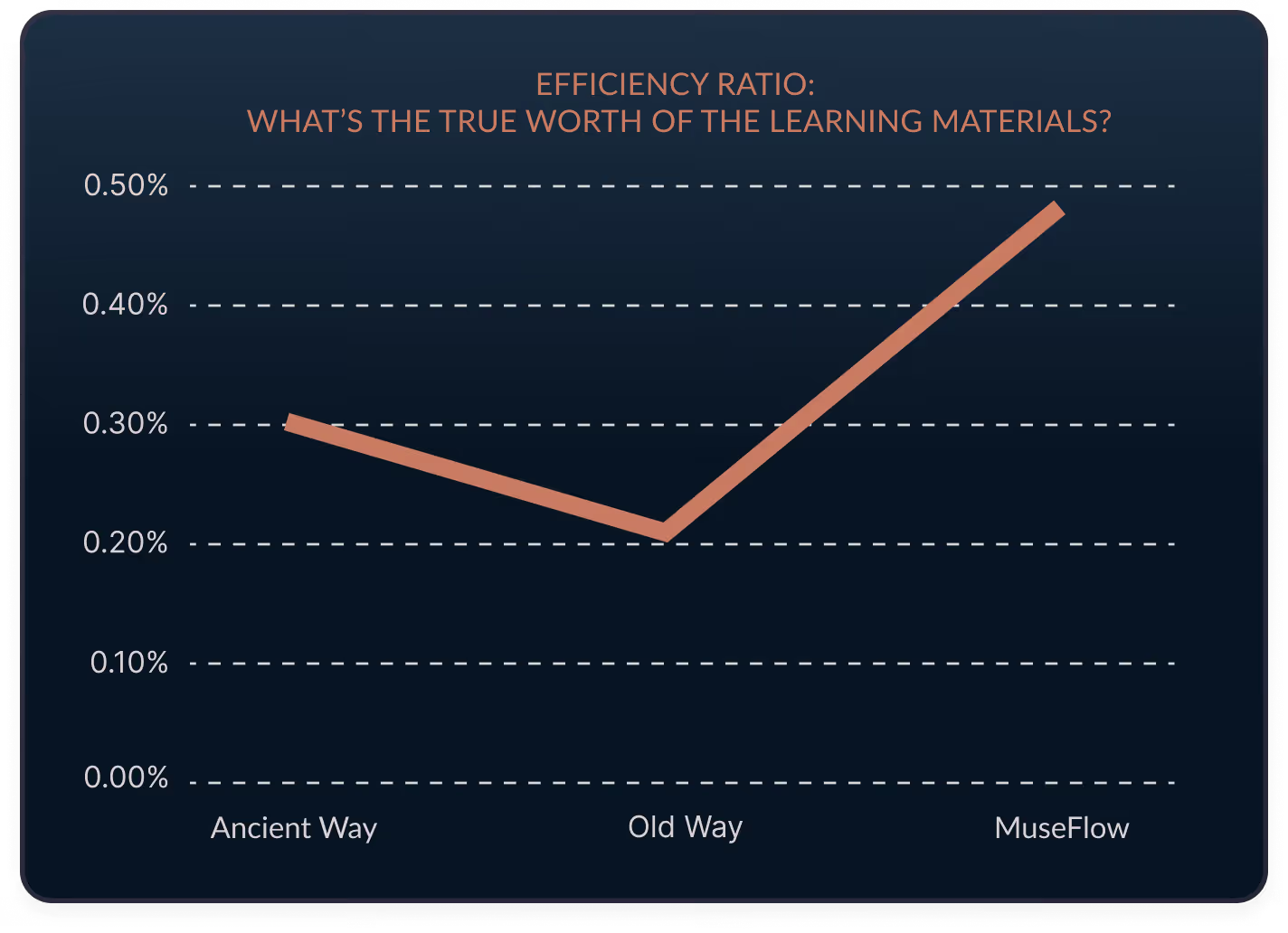
Here is a comparison of sight reading resources available on the market. The bar chart represents the financial investment to purchase the resources. The line represents the likelihood to actually use the resources to learn to sight read.

Note that while MuseFlow requires more of an investment, the likelihood of actually fully using MuseFlow approaches 100%. The other methods may require less of a financial investment, but that also means there’s less of a likelihood to actually use them to learn how to sight read.
With the goal of increasing proficiency in sight reading, MuseFlow gives Sarah everything she needs to succeed:
MuseFlow doesn’t just give Sarah more of what she may–or may not–need to progress in her learning. MuseFlow delivers exactly the right amount of content, in the right context, so she masters every skill before progressing. Here’s where all this comes together.
While MuseFlow might look “more expensive,” the advanced Flow state learning technique gives Sarah a much higher likelihood of success than the alternatives. Put another way, she is getting more value for her dollar. Why? Because Inexpensive-but-Incomplete is actually more costly than Expensive-and-Complete.
A common way to express this is an Efficiency Ratio. This calculation measures how much value you receive for every dollar you spend (Likelihood ÷ Cost).
What good does it do Sally if she saves a few dollars by purchasing a variety of exercise books, music library apps and other resources, yet never uses them? Sally is committed to improving her skillset, enriching her musicianship, and increasing her income. Wouldn’t she want the best resources and strategy to achieve that goal?
To explain this differently, let’s fast forward a few months with Sam, Sarah, and Sally.
After frustration of plodding haphazardly through exercises, Sarah has become weary. She’s starting to tell herself things like: “Learning to sight read is too hard…. Maybe I’ll try later.” Her dreams of being paid to play piano at weddings and events is starting to fade. She’s got a despondent look on her face.
Sam is facing a similar discouraging story. He’s spent an inordinate amount of time and effort to research and purchase various exercise books and music library apps. He’s probably spent more time cobbling together a system than he has actually learning how to sight read. It’s been over a week since he’s touched his piano, and he’s starting to rationalize: “Eh, I play good enough…”
If Sam and Sarah were to actually continue, they will have experienced “hidden costs” in inefficiency—time spent curating resources or stalled progress due to lack of motivation. This translates to wasted energy and opportunity costs for earning income. Also, they will not have enjoyed the sight reading learning process nearly as much as Sally.
Sally chose MuseFlow and wears a concentrated smile each time she plays. She is in Flow state within minutes. No guesswork or inefficiencies as to where to begin or where to focus her attention. She will play exercises precisely tailored to her skill level. As she plays, she will experience real-time feedback that keeps her in the Flow–motivated, engaged, and always progressing. That ever-increasing momentum builds a positive feedback cycle where each measure she plays builds to improve her outcomes.

Ready to be like Sally and unlock your full potential? Start with MuseFlow and begin your sight reading journey. Start learning, enjoying, and earning faster than you ever thought possible.

When learning to sight read music, frustrations can easily derail progress. We know that mastering this skill is challenging enough without running into roadblocks caused by the tools themselves. That’s why MuseFlow was created: to address the biggest challenges music learners face and offer a superior learning experience.

To illustrate, we’ve gathered some anonymized, recent reviews from other systems for sight reading—both books and online. These reviews reflect real frustrations learners have encountered—and highlight how MuseFlow solves these issues.
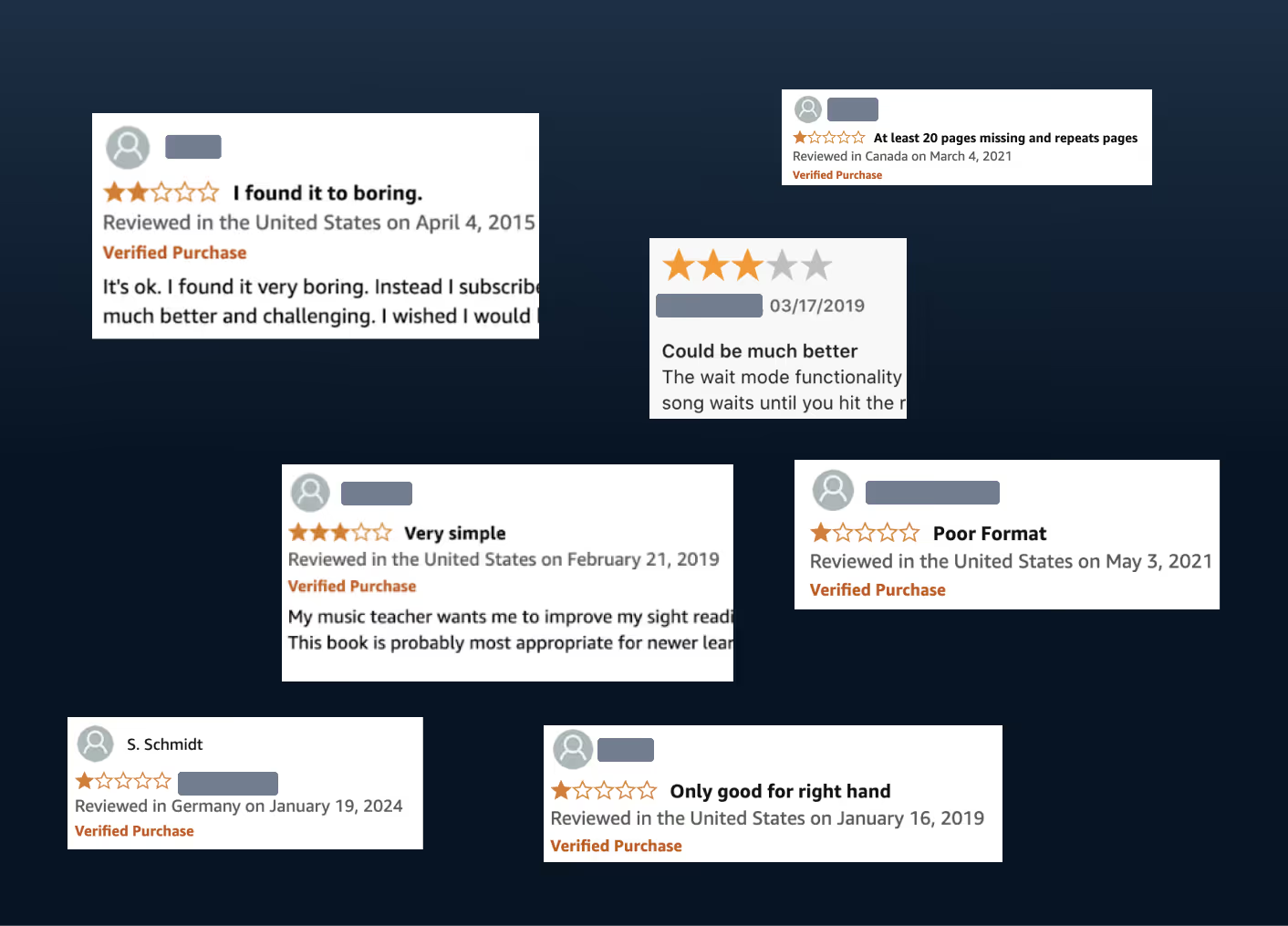
“I just wish there were a few more things they added in, like actually listening to the piano to check if notes/rhythm right and if the answer is wrong, revealing the right answer.”
By connecting to a digital piano, MuseFlow provides precise, real-time feedback on both notes and rhythm. You’ll always know whether you’re playing correctly, and you’ll receive instant corrections to improve faster.
“The inability for it to properly recognize notes is frustrating and interrupts flow and learning.”
This is exactly what MuseFlow doesn’t do. With advanced AI, MuseFlow seamlessly recognizes the notes you play and keeps you in a flow state... free from interruptions or misreads.
“It has a hard time picking up certain notes. This severely disrupts my flow during a song when I have to repeat a key until it finally recognizes, or it randomly skips notes sometimes.”
MuseFlow is built to prioritize uninterrupted learning. With its accurate note recognition and adaptive technology, you’ll never have to stop mid-song to troubleshoot. MuseFlow ensures your learning experience stays smooth and engaging.
“I found it very boring.”
With MuseFlow, boredom is a thing of the past. Its dynamic, real-time generated exercises keep you continuously engaged. You’re always in flow state—not too bored, not too overwhelmed—right in that pocket of the goldilocks zone, just perfectly challenged to keep progressing.
“My music teacher wants me to improve my sight reading and recommended this book. I found it rather simple. My teacher thinks I have picked up my skill, but I'm not convinced- I'd like to find something a bit more challenging.”
MuseFlow ensures every exercise is tailored to your skill level. You’ll never feel under-challenged or stuck with static materials. The app’s adaptive AI grows with you, ensuring that your learning remains engaging and appropriately difficult. The piano learning software makes sure everyone is on their own SUCCESSFUL journey.
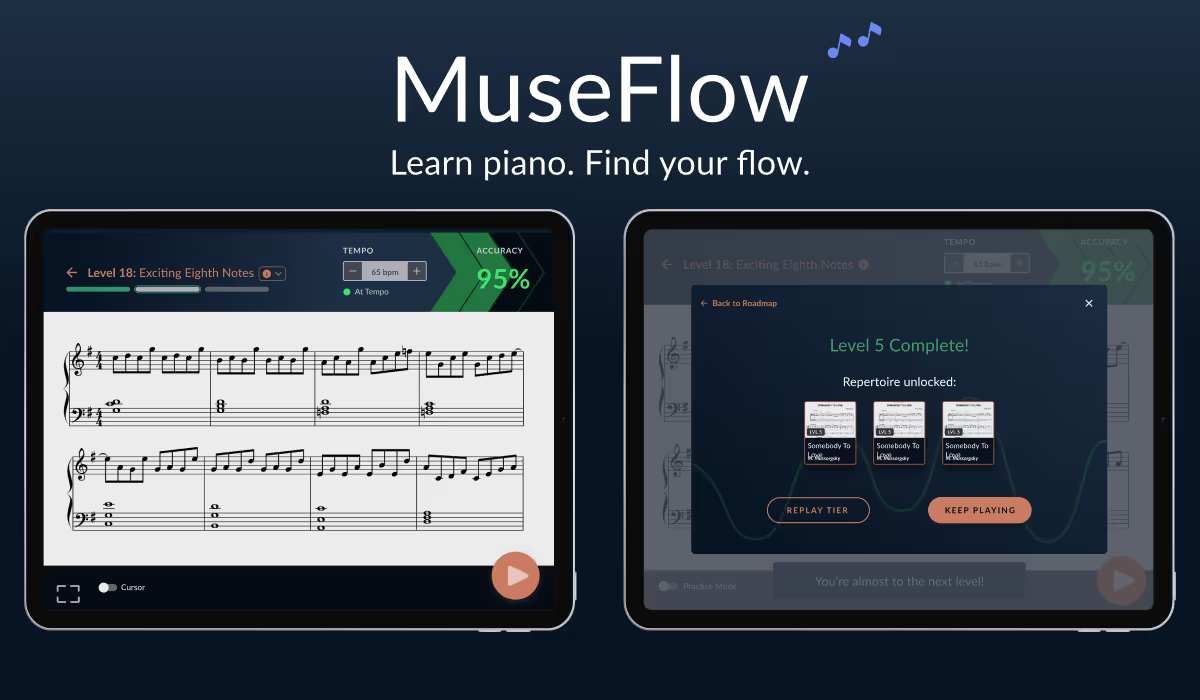
Learning sight reading should be a fulfilling journey... not a frustrating one. MuseFlow’s cutting-edge technology solves the issues that have plagued music learners for years:
With MuseFlow, you’ll move beyond outdated tools and experience a revolutionary way to master sight reading.

This holiday season, give a gift that goes beyond the ordinary; a gift that opens up the world of learning piano music. MuseFlow isn’t just any music learning app; it’s a gateway to mastering the skill of sight reading - the act of reading music at first sight - making music performance more accessible, meaningful, and enjoyable. Here’s why MuseFlow is the perfect gift for those looking to excel in piano performance, find personal fulfillment, and spread joy through music.

For those who perform, music isn’t just a passion… it’s a way to connect, impress, and earn some extra cash. Imagine walking into any gig, ready and able to play any popular songs on the spot. People throw you request after request, you pull them up on your iPad with Ultimate Guitar or MuseScore, and you just go! MuseFlow gives performers the confidence to do just that, offering a seamless, personalized curriculum that strengthens sight reading skills, enabling users to read and adapt to playing never before seen music quickly.
MuseFlow’s real-time feedback, and adaptive sight reading levels are designed to boost not only proficiency but also versatility. This isn’t about memorizing a few songs; it’s about mastering the skills that let performers meet any song request with ease, broadening their repertoire quickly and enjoyably. Think about how much more you could earn in gigs with even a 20% improvement in sight reading! MuseFlow is the tool that lets you take that leap with ease.

For those juggling family, work, and personal time, music often serves as a cherished retreat. MuseFlow’s unique, adaptable approach brings the joy of learning piano into even the busiest lifestyle. With the flexibility to practice anywhere, at any time, for any duration, and a curriculum that meets users where they are, MuseFlow empowers them to progress steadily and enjoyably, making every practice session a moment of personal enrichment.
Imagine being able to sight read and enjoy playing any piece of sheet music that comes your way, whether it’s for a family gathering, a community event, or a peaceful evening at home. MuseFlow is more than a tool… it’s an opportunity to deepen musical skills, and to share that passion with loved ones, whether through playing together or inspiring the next generation to love music.

MuseFlow is the ideal gift for anyone who has a love for music, whether they’re performers looking to build their skillset, or enthusiasts seeking personal fulfillment. It’s a thoughtful way to show someone that you believe in their potential, that you’re investing in their joy, and that music can be part of their life in a meaningful way.
With flexible subscription plans and bundles, MuseFlow is easy to give and even easier to love. This season, give the gift that resonates long after the holidays… a gift that brings music to life, one note at a time.

Keep up to date on our progress as we continue to add new features!