.svg)
Why the Piano is So Important
When you’re choosing a new instrument to learn, the choices can be daunting. There are literally thousands of instruments out there to choose from, but there’s nothing quite like the piano. That’s why we at MuseFlow offer a fun and effective way to learn this popular and enduring instrument. But what is it about the piano that makes it so important?
It’s Musically Versatile
The piano is one of the most played instruments in the world. And a big part of that is its versatility across musical genres. The soothing classical music of Beethoven’s “Fur Elise.” The energetic jazz riffs of Duke Ellington’s “Take the ‘A’ Train.” The emotional modern pop bop of Chappell Roan’s “Pink Pony Club.” The piano is a core, foundational component of all of these musical genres, as well as many others (R&B, electronic, musical theater, film scores, Bossa Nova, and Tango to name a few). When you play each genre, you’re introduced to new tempos, melodies, and styles of play. The combinations and play styles are truly endless.
So when you’re learning the piano, you’re really opening yourself up to an entire world of music!
.avif)
It’s A Composer’s Best Friend
Going along with its versatility, the piano is the perfect instrument for composers. That’s because you can play up to 12 notes at once, and it can act as a compression for entire orchestras, bands, and choirs. You can play the bass and rhythm with the left hand and melody and harmony with the right, with both hands operating at different registers, roles, and meters at the same time.
The piano is actually considered a percussion instrument that creates percussive, rhythmic, and immediate sounds when you press a key and the internal hammer strikes a string, or set of strings. But the sound created can also be a sustained pitch, which allows for lyrical, harmonic, and legato sounds. There’s no other instrument on Earth that can do all of this!
Before the invention of the piano, music composers needed access to entire ensembles to write songs. But since its invention, those ensembles have become available at composers’ fingertips. This makes composition more affordable and accessible. If you want to compose a song, all you need to begin is your piano!
It’s Good for Your Brain
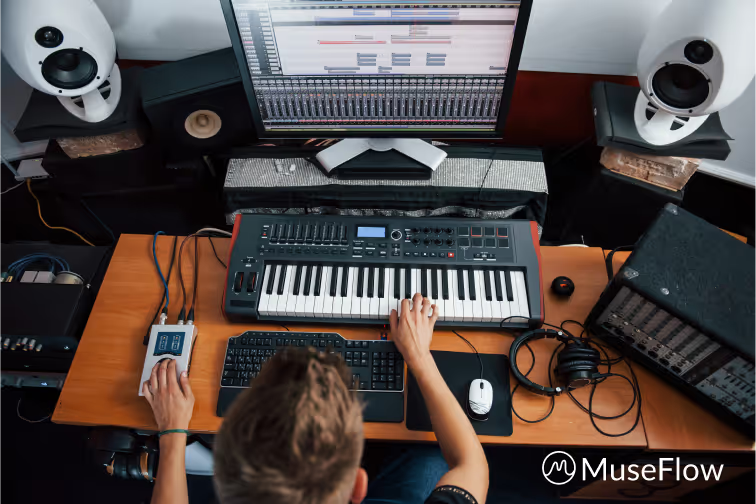
Learning the piano can be a fun way to challenge your brain. One study found that learning the piano can enhance your fine motor skills, since it’s an instrument that requires strong finger dexterity. The way your brain has to compute the sight reading and playing simultaneously can also activate two different parts of your brain at the same time.
It’s no surprise, then, that another study suggested that learning the piano can boost brain processing power. After just a few weeks of lessons, the participants’ ability to process multi-sensory information had improved. Amazingly enough, those participants also reported an enhanced mood, with less anxiety, stress, and depression!
So the next time you’re practicing the piano, you can know that you’re basically doing crunches with your brain.
It’s Emotionally Resonant
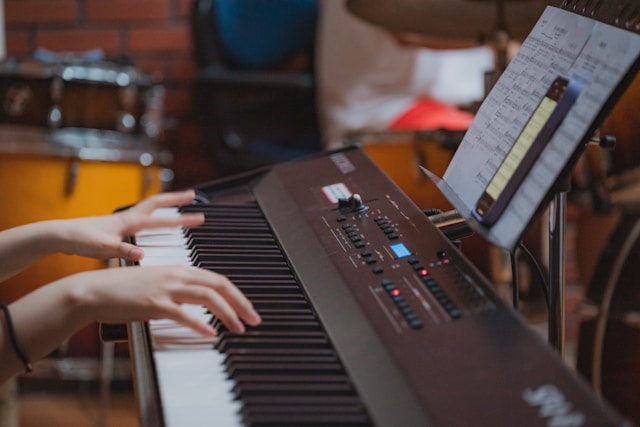
The piano is powerful. A somber chord in a movie soundtrack can bring us to tears. A springy tune at a wedding reception can send everyone, including that one uncle who never dances, running to the dance floor. A new song can stop us in our tracks. A recognizable melody can immediately pull us back to the first time we heard it. There’s an emotional resonance that we get from the piano that’s hard to put into words. But we know it when we feel it.
Conclusion
People have been playing this instrument since the 1700s. It’s been played for kings and queens. Its sound has filled massive stadiums of screaming fans as well as intimate living rooms with family and friends.
It’s an instrument unlike any other, able to stand in for just about any other instrument, even a full orchestra. You can play a limitless variety of music on those 88 keys. And since the piano doesn’t require size changes or “starter versions” like some other instruments, you can play a complex concerto on the same piano that you first learned “Ode to Joy” on.
The piano stands alone in its versatility, accessibility, and usefulness across musical genres. It’s a powerful and timeless instrument that has changed the worlds of music and composition forever. We’d say that makes it pretty darn important!

.jpg)