.svg)
Piano Practice That Feels Like a Game:How MuseFlow Turns Short Sessions Into Real Skills
Traditional piano practice can be repetitive and mentally exhausting. Scales, arpeggios, and the same exercises repeated daily often feel like a slog. While repetition builds technical accuracy, it can hinder motivation and limit transferable skills. But piano practice doesn’t have to feel like a chore. Gamelike practice, when designed correctly, can transform short sessions into meaningful skill development. MuseFlow applies this principle by combining neuroscience-informed learning with interactive, adaptive exercises.
The Challenge of Traditional Practice
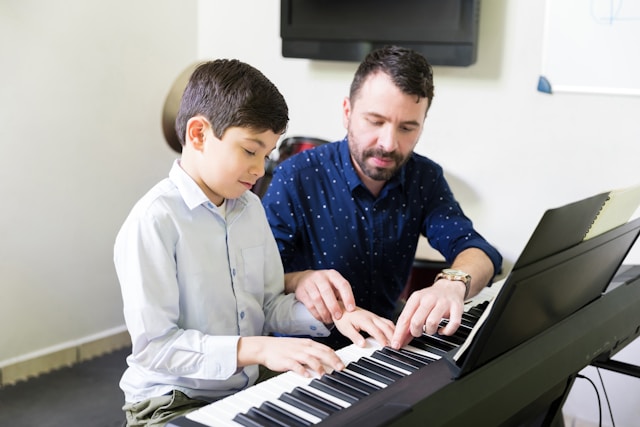
Conventional piano lessons often rely heavily on memorization and repetition. Playing a piece repeatedly helps develop finger memory but does not necessarily improve sight reading, rhythm, or musical understanding. Without feedback, learners may reinforce mistakes or plateau in skill development.
For example, many beginners find that after memorizing one song, they struggle to play new pieces, because their practice focused on rote patterns rather than reading music fluently. This creates a cycle of frustration, reducing both engagement and consistency
Gamified Practice With Real Educational Value
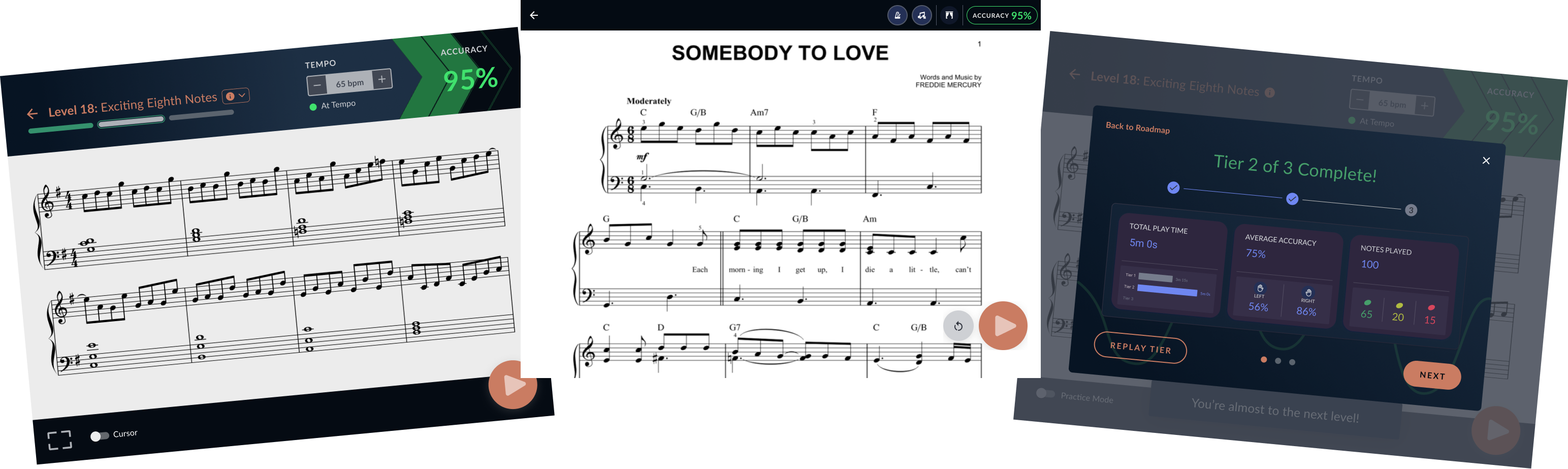
MuseFlow applies principles of game design—clear goals, immediate feedback, progressive challenges, and intrinsic rewards—to piano learning. Each feature is structured to foster real skill development rather than superficial engagement.
1. Never-Repeating Music Generation
Benefit: Continuous Sight Reading Practice
MuseFlow’s algorithm generates fresh, level-appropriate music each session, ensuring learners always encounter novel material. By forcing consistent sight reading, rather than memorization, learners develop transferable skills that can be applied to any new piece. Research on sight reading proficiency shows that high-volume exposure to new material accelerates skill acquisition
2. Real-Time, Color-Coded Feedback
Benefit: Immediate Correction Improves Learning
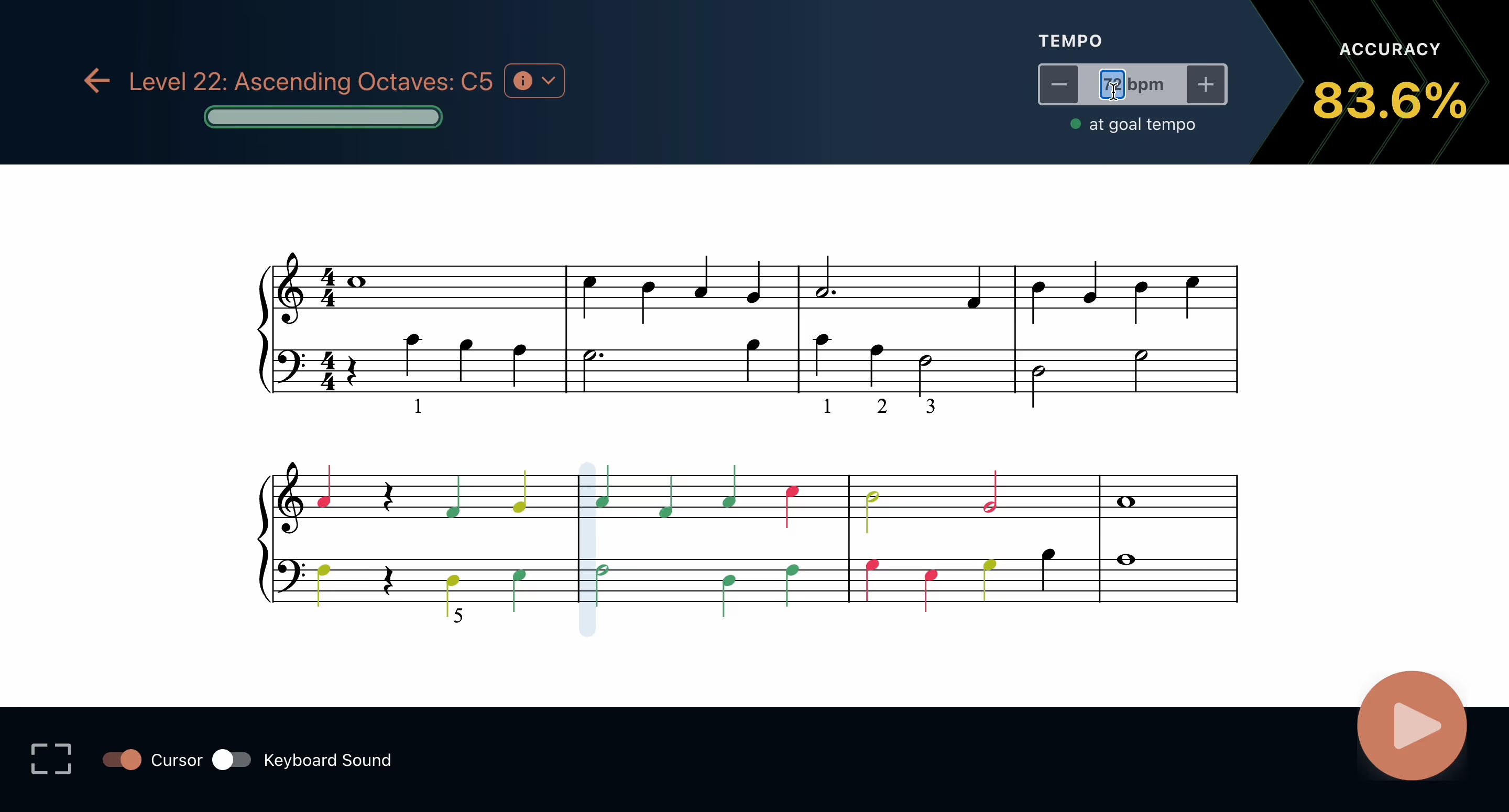
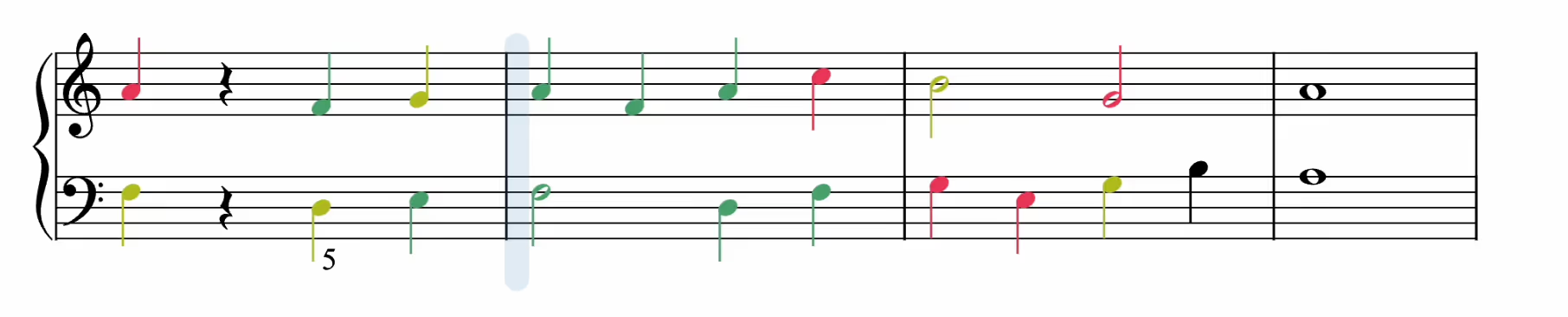
IUnlike traditional lessons with delayed feedback, MuseFlow provides instant, color-coded guidance: green for accuracy, yellow for timing adjustments, and red for mistakes. Immediate correction helps the brain form accurate associations more efficiently. Studies from MIT indicate that responsive practice enhances neural processing and strengthens cognitive pathways related to learning.
3. Level Progression and Achievements
Benefit: Clear Goals Sustain Motivation
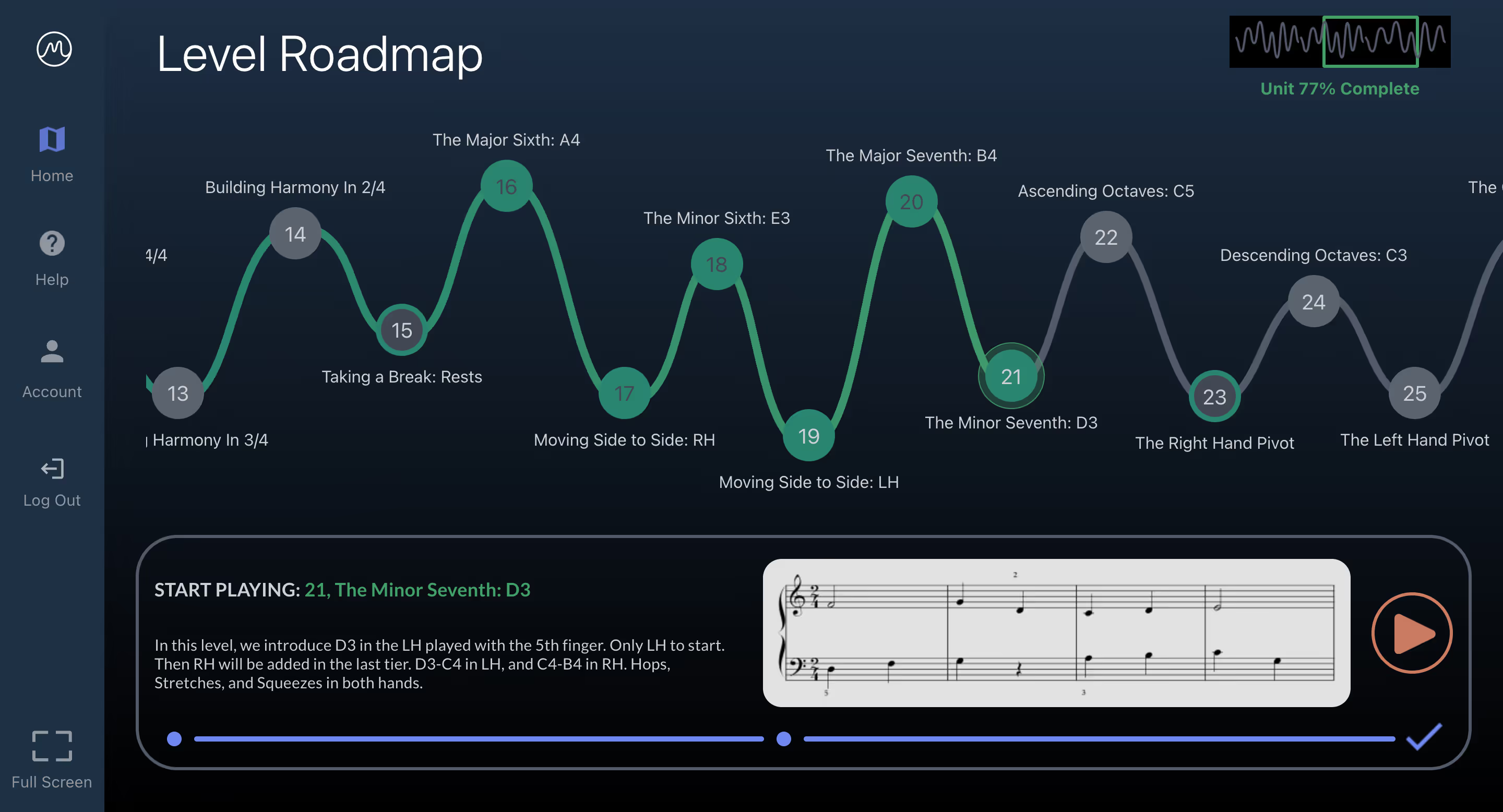
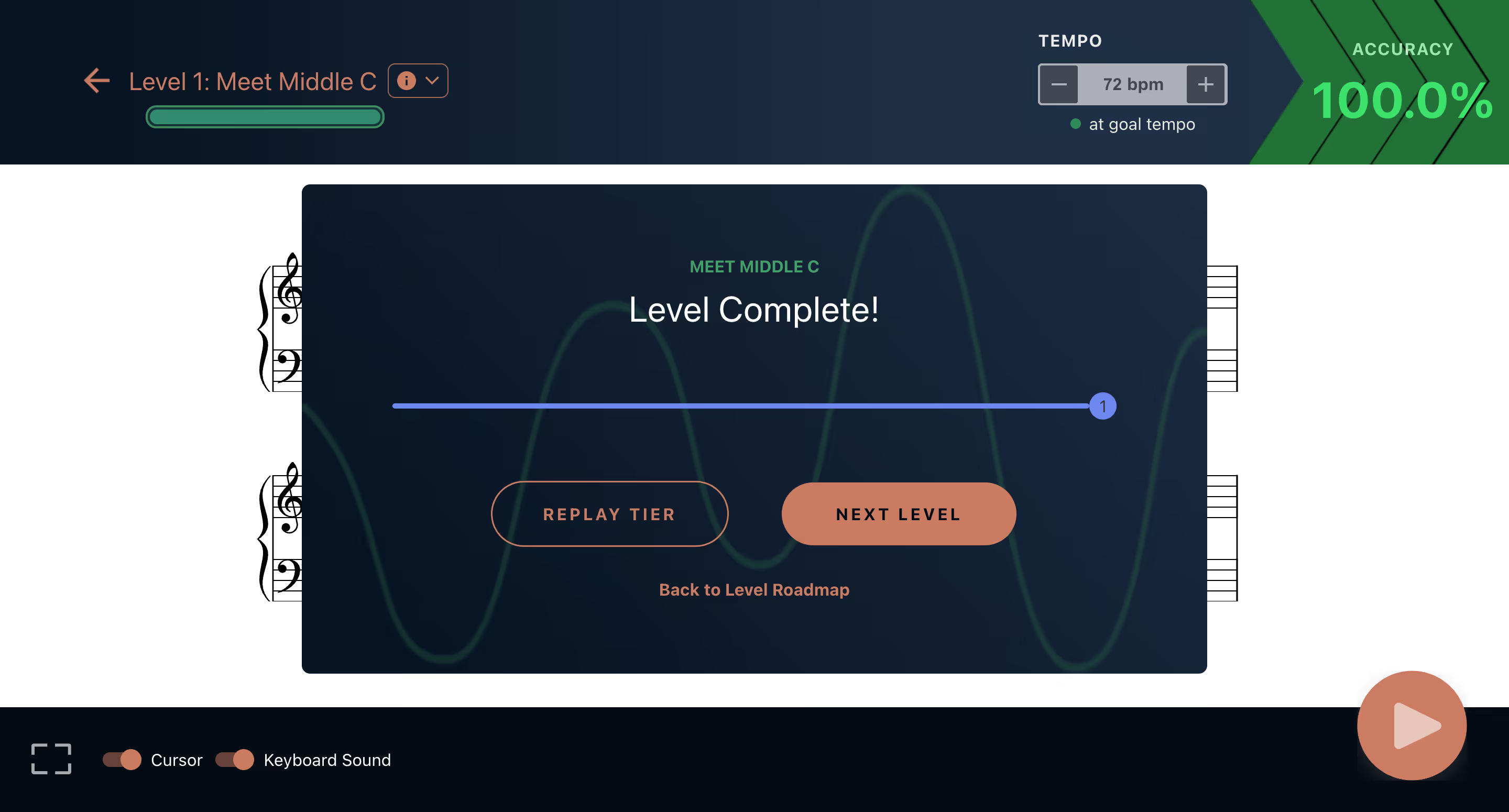
Progressive levels provide achievable challenges. Learners start at Level 0 and advance through 27 levels introducing new rhythms, notes, and complexities. Achievements and accuracy scores create measurable milestones, leveraging the brain’s reward system. Psychological research on learning and motivation supports structured, goal-oriented practice as a key factor in maintaining engagement.
4. Flow State by Design
Benefit: Practice Becomes Focused and Enjoyable
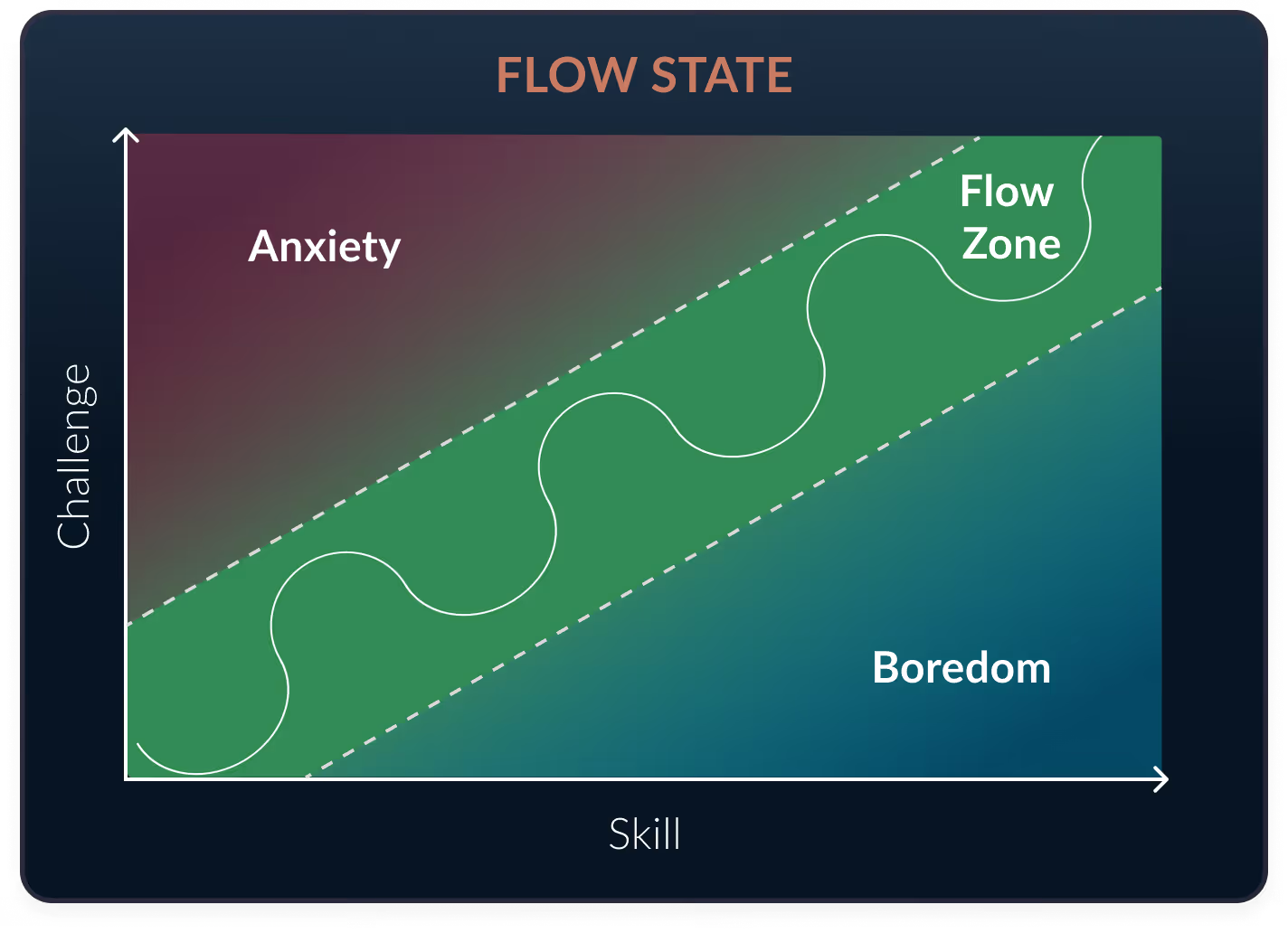
Flow state occurs when a learner’s skill aligns with the difficulty of a task, creating immersive concentration and reducing self-criticism. MuseFlow allows tempo and difficulty adjustments to maintain this balance, helping learners enter flow more consistently. Research on flow in music practice demonstrates that achieving this state improves both skill acquisition and enjoyment.
5. Repertoire Library for Exploratio
Benefit: Apply Skills to Real Music
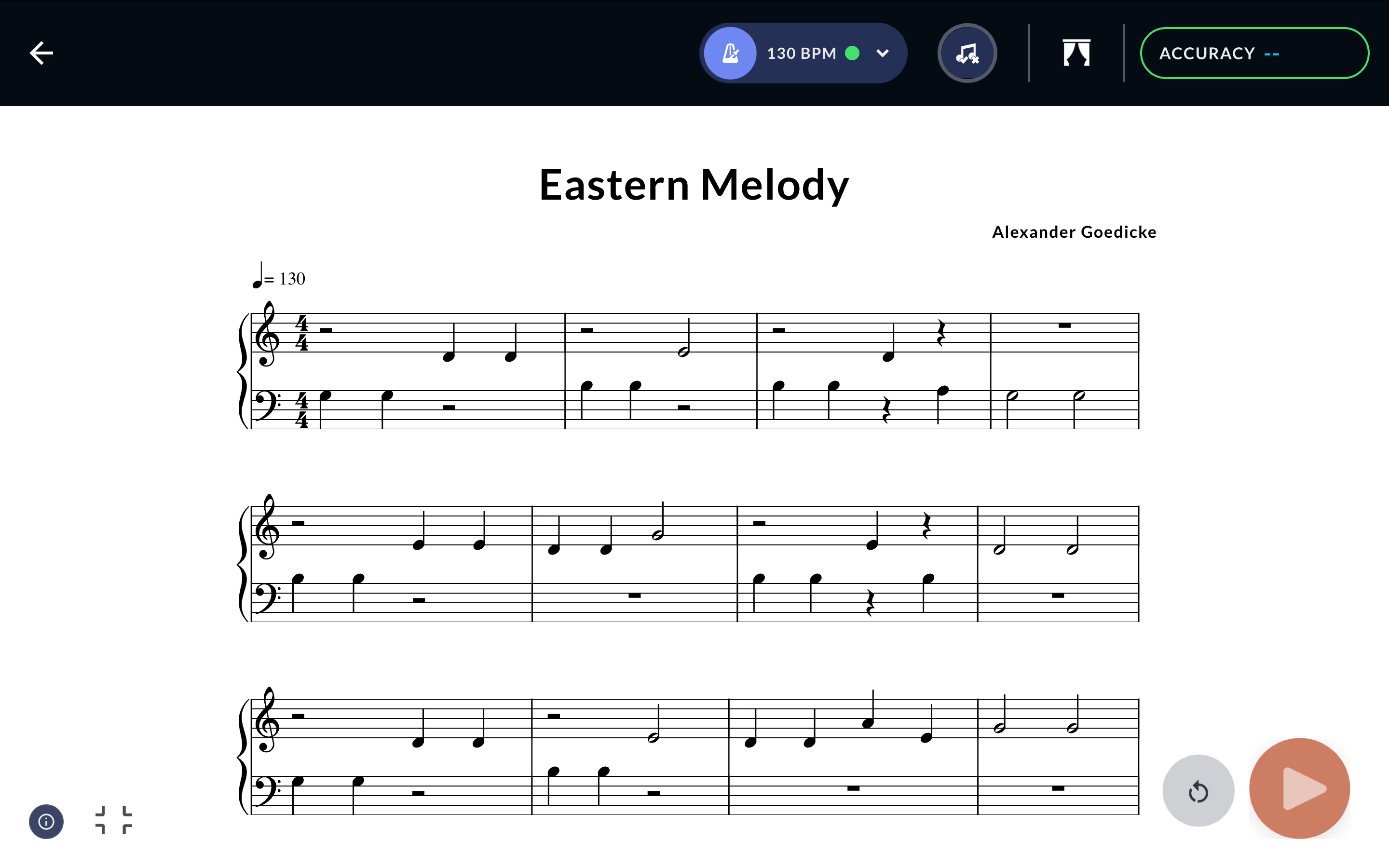
Beyond core exercises, learners can explore a diverse repertoire across genres and difficulty levels. This freedom allows learners to apply sight reading skills in a practical context while maintaining motivation. Balancing structured practice with exploratory play supports long-term engagement and musical development.
First-Hand Experience
Consider Emily, a beginner who practiced just 15 minutes daily using MuseFlow. Within four weeks, she reported faster sight reading, improved rhythm accuracy, and greater confidence tackling unfamiliar music. Short, focused, feedback-rich sessions produced measurable progress that would have taken longer with traditional repetition-based methods. This example illustrates how gamelike practice can deliver real results without requiring hours of monotonous drills
Why This Matters
In today’s world of distractions, short, engaging, and well-structured piano practice ensures learners remain consistent. MuseFlow transforms practice from a repetitive task into an optimized, skill-building experience. By combining neuroscience, game principles, and adaptive feedback, it provides learners with transferable skills, measurable progress, and a more enjoyable learning journey.
Piano practice that feels like a game is not a gimmick—it is an educational strategy grounded in research and designed to maximize learning efficiency.