News
Adult Learning
Beginners
How Much Does MuseFlow Cost?
July 27, 2026

Learning sight reading has come a long way in the past year. If you’re still using older methods, you’re missing out—not only on the enjoyment of learning with cutting-edge techniques, but also on your earning potential as a musician. Here’s a way to understand it.

You buy a series of sight reading books. You’re stuck following static exercises, with no way to know if you’re truly improving or if you’re even practicing correctly. Once you finish the book, you need another—and then another. The time commitment is high, much of it wasted on inefficient exercises, with no real-time feedback to tell you whether you’re playing the notes correctly.
The result? Frustration. Progress feels slow, and the vast majority of learners quit before reaching proficiency.
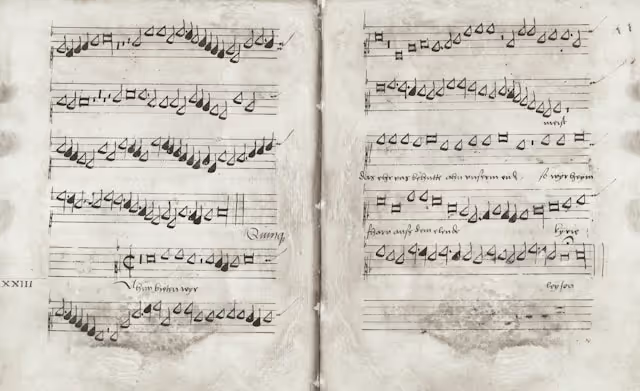
This is just an evolution of the Ancient Way—it’s more of the same. Along with sight reading books, you have access to websites with downloadable pages or apps featuring more static music. But ultimately, it’s still just a library of music.
Sure, online tools and mobile apps provide more material, but the burden is on you to figure out:
Even if you’re willing to pay for an app, you still need to sift through an overwhelming amount of material in a song library and curate a plan yourself. That mental overhead doesn’t go toward practicing sight reading—it’s spent assembling your tools.
And let’s not forget: You can only sight read a piece once. After the first play-through, your brain starts to memorize the music, and it’s no longer sight reading.

Thankfully, cutting-edge technology makes the Ancient Way and Old Way obsolete. With MuseFlow, you no longer need to waste time curating materials or wondering if you’re improving.
MuseFlow is radically different.
The unique value proposition of MuseFlow is that it offers infinite, dynamically generated music, precisely targeted to help you improve. MuseFlow is your personalized coach, tracking your progress and adapting dynamically to your needs.
With MuseFlow, progress is:
MuseFlow is completely different. MuseFlow just doesn’t give you more, but gives you the precise sequence of notes you need to make progress. Measures of music are being created on-the-fly according to your skill level. There’s no system that even comes close.
The unique value proposition of MuseFlow is not that you have "more" but that you have "infinite" AND that infinite amount of music is presented in real-time, in the context of mastering the skill.
MuseFlow is your personalized coach, delivering tailored exercises, tracking your progress, and adapting dynamically to your skill level. With real-time feedback, you know exactly how to improve, and every session brings you closer to mastery.
MuseFlow is radically efficient compared to other learning methods–You’re in the Flow! Progress is fast, engaging, and measurable.
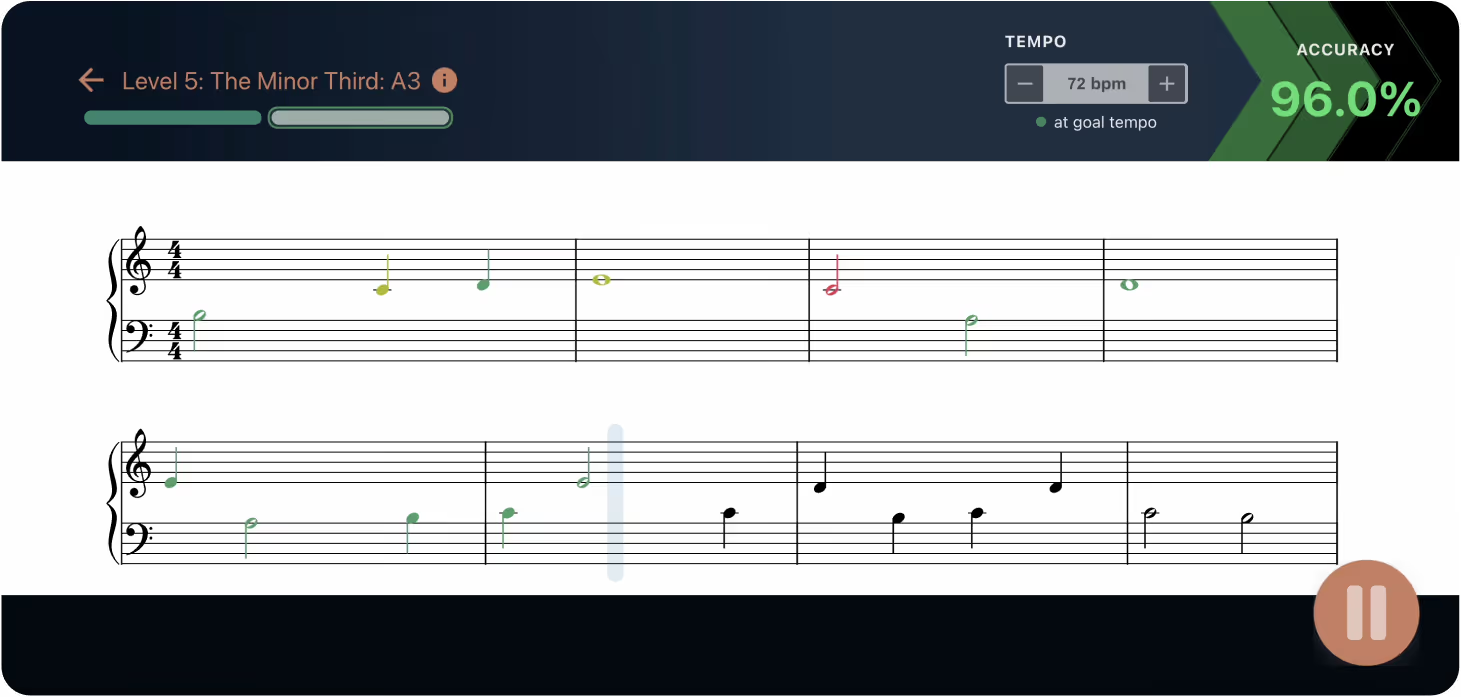
Imagine three intermediate pianists in the same city—Sally, Sam, and Sarah—all competing for the same high-paying piano gigs. They share the same goal: to reach advanced sight reading proficiency and start earning from weddings, events, and restaurants.
Their chosen learning methods, however, set them on very different paths.
Sally’s faster progress gave her a critical advantage. By Year 1, she was already booking gigs, gaining experience, and building demand. Meanwhile, Sam and Sarah were still learning.
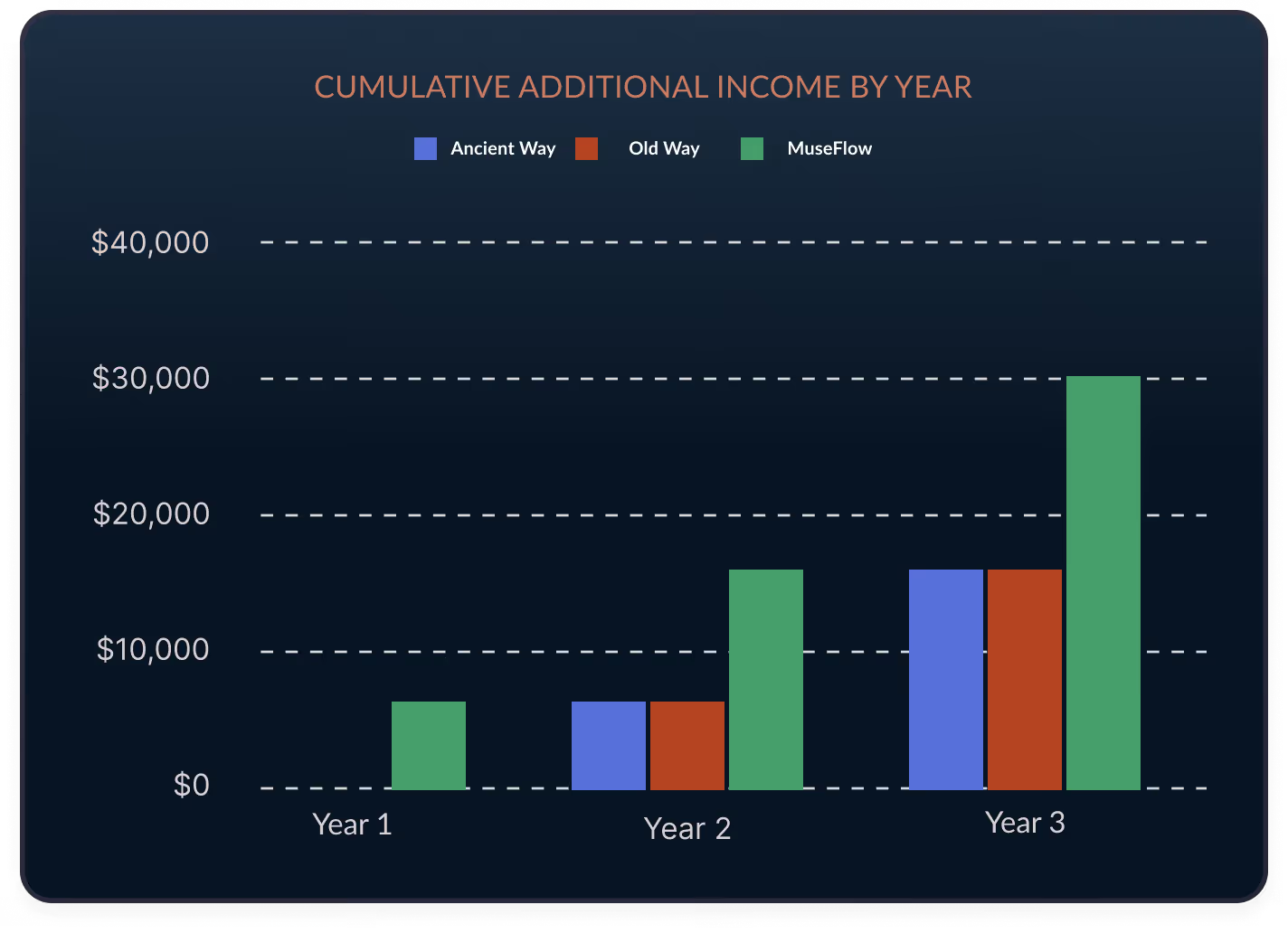
Sally’s faster proficiency gave her a head start. Starting Year 1, she was already booking gigs, gaining experience, and building demand. Sam and Sarah, meanwhile, were still learning, assuming they had even continued in their strategies (more on that later).
As a result, Sally consistently earned more across the three years, with increasing rates and more gigs over time. The cumulative effect of Sally’s early start is undeniable. By Year 3, she has out-earned both Sam and Sarah by a wide margin.
Sally’s choice to use MuseFlow didn’t just save her time—it accelerated her earning potential, giving her a distinct edge in the competitive gig market. With MuseFlow, she didn’t waste hours on inefficient methods or outdated tools. Instead, she focused on building her skills quickly and effectively, positioning herself for long-term success.
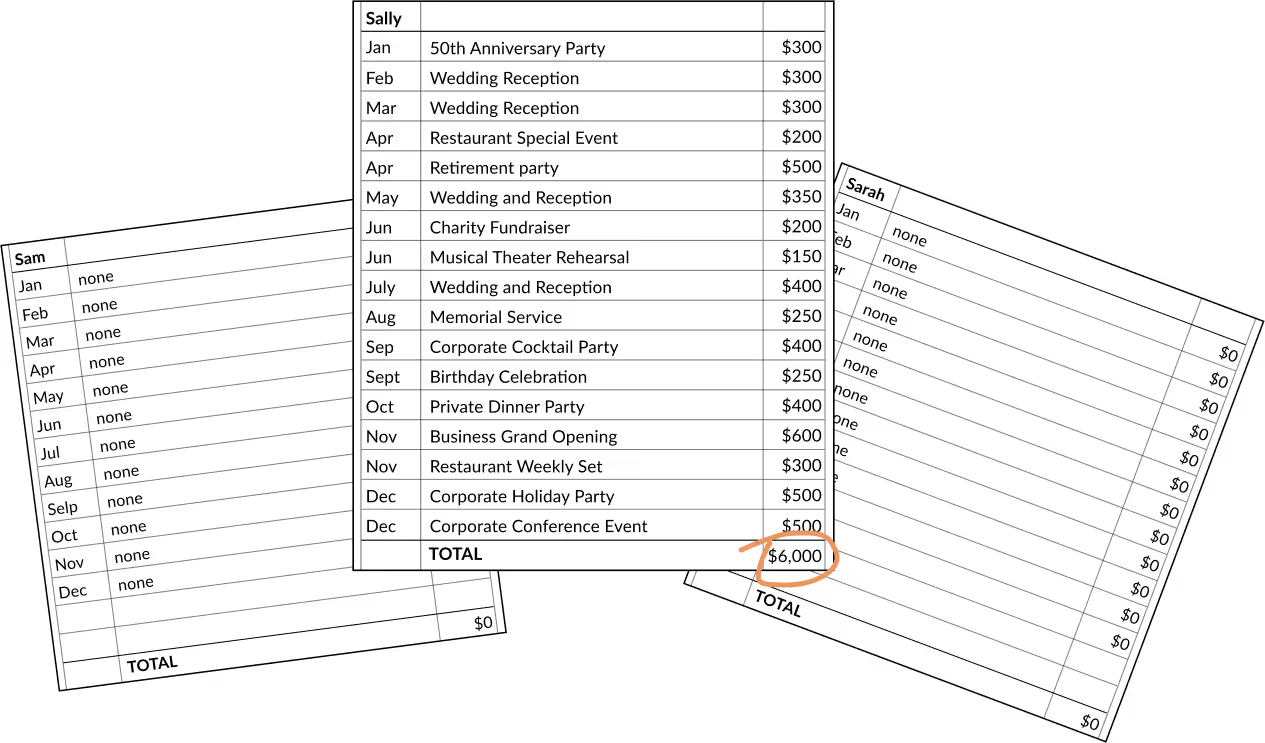
For example, if Sally plays at several gigs throughout the year, she will have earned $6,000 by the time Sam and Sarah are just getting started. She is more than a break-even point on her first gig where she gets to showcase her new-found sight reading proficiency. Sally can reinvest in her skills, gain more experience, and build her reputation faster. By the time Sam and Sarah reach proficiency, Sally is already well-established. MuseFlow enables learners to break even on their investment significantly faster. Look how the three of them compare for that first year.
But Sally’s competitive advantage doesn’t stop there.
Sally, Sam, and Sarah aren’t even close to equal footing when it comes to their ability or enjoyment of learning. Why? The likelihood for Sam or Sarah to actually complete all the coursework in the Ancient Way or the Old Way is highly unlikely.
Because of how MuseFlow harnesses our human desire to learn and be in Flow state, Sally is highly likely to actually achieve mastery. Her likelihood for success actually skyrockets.
Sam and Sarah have to select, purchase, and then curate their own path forward to learning by choosing from a myriad of exercise books and websites. Simply search for “sight reading books” and you’ll discover what variety is out there for all sorts of instruments, age levels, and interests.

Once Sam and Sarah have the books, apps, videos, or Internet resources, then they need to learn the particular system for each and then slog through them.
They will be the musician and judge simultaneously to determine if they are ready to proceed to the next exercise or book. They have zero feedback to know if they’re playing the exercises correctly.
In all likelihood, despite Sam and Sarah’s good intentions, most of their sight reading exercise books and online resources will go untouched. They will simply join the statistics of so many who do not increase their sight reading proficiency.
On the other hand, Sally opens her laptop with her digital keyboard, and the EXACT music she needs to learn sight reading is given to her. Down to the musical measure, it’s precise for her skillset. Even more than that, she has a built-in coach telling her how she’s doing. She can’t proceed until she’s mastered it.

This type of learning is incredibly motivating for Sarah. She’s in the flow. As a result, not only is Sarah learning more efficiently, but she’s far more likely to reach her goal compared to others using traditional methods.
Here is a comparison of sight reading resources available on the market. The bar chart represents the financial investment to purchase the resources. The line represents the likelihood to actually use the resources to learn to sight read.

Note that while MuseFlow requires more of an investment, the likelihood of actually fully using MuseFlow approaches 100%. The other methods may require less of a financial investment, but that also means there’s less of a likelihood to actually use them to learn how to sight read.
With the goal of increasing proficiency in sight reading, MuseFlow gives Sarah everything she needs to succeed:
MuseFlow doesn’t just give Sarah more of what she may–or may not–need to progress in her learning. MuseFlow delivers exactly the right amount of content, in the right context, so she masters every skill before progressing. Here’s where all this comes together.
While MuseFlow might look “more expensive,” the advanced Flow state learning technique gives Sarah a much higher likelihood of success than the alternatives. Put another way, she is getting more value for her dollar. Why? Because Inexpensive-but-Incomplete is actually more costly than Expensive-and-Complete.
A common way to express this is an Efficiency Ratio. This calculation measures how much value you receive for every dollar you spend (Likelihood ÷ Cost).
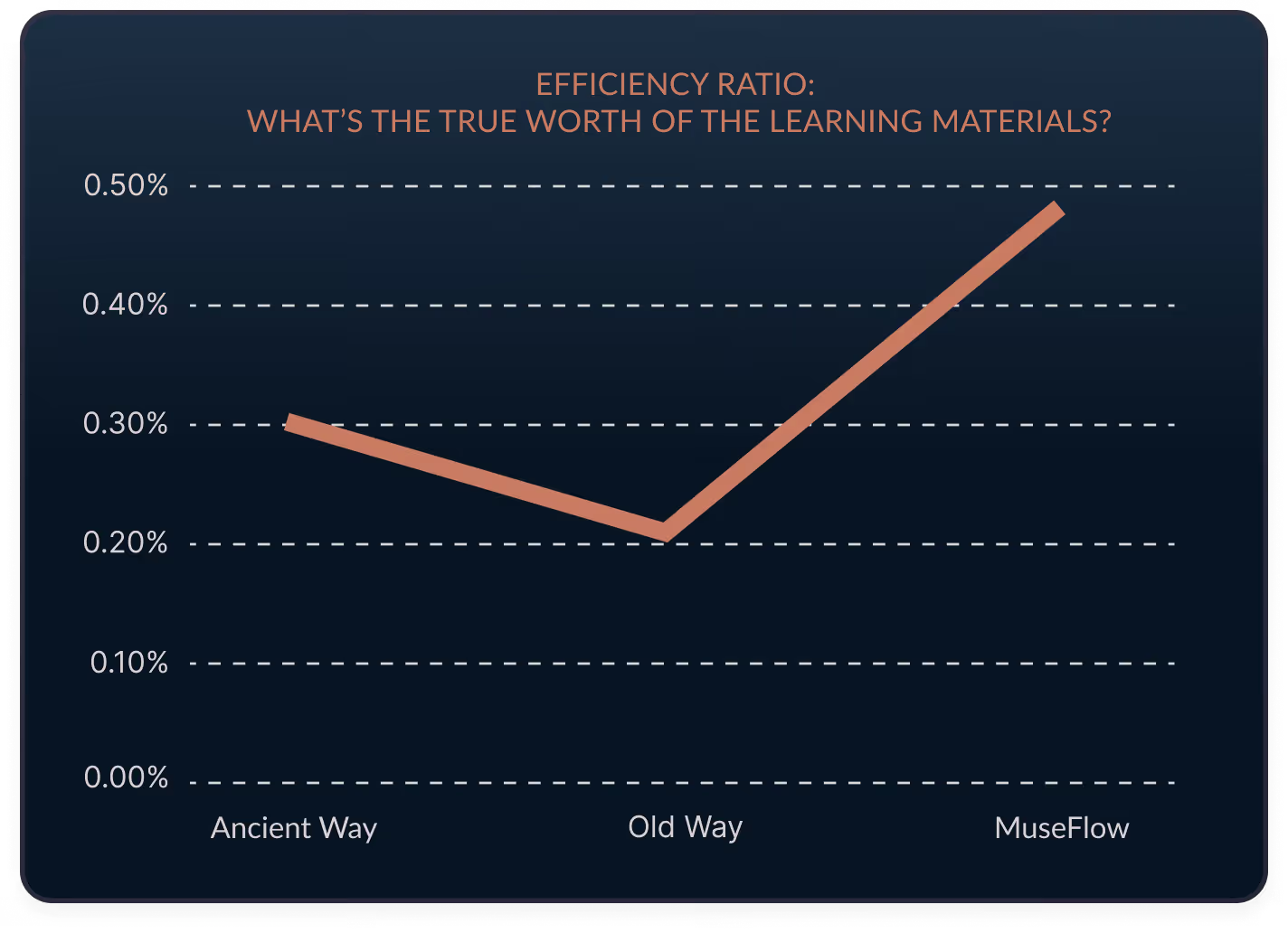
What good does it do Sally if she saves a few dollars by purchasing a variety of exercise books, music library apps and other resources, yet never uses them? Sally is committed to improving her skillset, enriching her musicianship, and increasing her income. Wouldn’t she want the best resources and strategy to achieve that goal?
To explain this differently, let’s fast forward a few months with Sam, Sarah, and Sally.
After frustration of plodding haphazardly through exercises, Sarah has become weary. She’s starting to tell herself things like: “Learning to sight read is too hard…. Maybe I’ll try later.” Her dreams of being paid to play piano at weddings and events is starting to fade. She’s got a despondent look on her face.
Sam is facing a similar discouraging story. He’s spent an inordinate amount of time and effort to research and purchase various exercise books and music library apps. He’s probably spent more time cobbling together a system than he has actually learning how to sight read. It’s been over a week since he’s touched his piano, and he’s starting to rationalize: “Eh, I play good enough…”
If Sam and Sarah were to actually continue, they will have experienced “hidden costs” in inefficiency—time spent curating resources or stalled progress due to lack of motivation. This translates to wasted energy and opportunity costs for earning income. Also, they will not have enjoyed the sight reading learning process nearly as much as Sally.
Sally chose MuseFlow and wears a concentrated smile each time she plays. She is in Flow state within minutes. No guesswork or inefficiencies as to where to begin or where to focus her attention. She will play exercises precisely tailored to her skill level. As she plays, she will experience real-time feedback that keeps her in the Flow–motivated, engaged, and always progressing. That ever-increasing momentum builds a positive feedback cycle where each measure she plays builds to improve her outcomes.

Ready to be like Sally and unlock your full potential? Start with MuseFlow and begin your sight reading journey. Start learning, enjoying, and earning faster than you ever thought possible.

This holiday season, give a gift that goes beyond the ordinary; a gift that opens up the world of learning piano music. MuseFlow isn’t just any music learning app; it’s a gateway to mastering the skill of sight reading - the act of reading music at first sight - making music performance more accessible, meaningful, and enjoyable. Here’s why MuseFlow is the perfect gift for those looking to excel in piano performance, find personal fulfillment, and spread joy through music.


For those who perform, music isn’t just a passion… it’s a way to connect, impress, and earn some extra cash. Imagine walking into any gig, ready and able to play any popular songs on the spot. People throw you request after request, you pull them up on your iPad with Ultimate Guitar or MuseScore, and you just go! MuseFlow gives performers the confidence to do just that, offering a seamless, personalized curriculum that strengthens sight reading skills, enabling users to read and adapt to playing never before seen music quickly.
MuseFlow’s real-time feedback, and adaptive sight reading levels are designed to boost not only proficiency but also versatility. This isn’t about memorizing a few songs; it’s about mastering the skills that let performers meet any song request with ease, broadening their repertoire quickly and enjoyably. Think about how much more you could earn in gigs with even a 20% improvement in sight reading! MuseFlow is the tool that lets you take that leap with ease.

For those juggling family, work, and personal time, music often serves as a cherished retreat. MuseFlow’s unique, adaptable approach brings the joy of learning piano into even the busiest lifestyle. With the flexibility to practice anywhere, at any time, for any duration, and a curriculum that meets users where they are, MuseFlow empowers them to progress steadily and enjoyably, making every practice session a moment of personal enrichment.
Imagine being able to sight read and enjoy playing any piece of sheet music that comes your way, whether it’s for a family gathering, a community event, or a peaceful evening at home. MuseFlow is more than a tool… it’s an opportunity to deepen musical skills, and to share that passion with loved ones, whether through playing together or inspiring the next generation to love music.

MuseFlow is the ideal gift for anyone who has a love for music, whether they’re performers looking to build their skillset, or enthusiasts seeking personal fulfillment. It’s a thoughtful way to show someone that you believe in their potential, that you’re investing in their joy, and that music can be part of their life in a meaningful way.
With flexible subscription plans and bundles, MuseFlow is easy to give and even easier to love. This season, give the gift that resonates long after the holidays… a gift that brings music to life, one note at a time.
Learning piano has never been more accessible, thanks to revolutionary advances in digital education technology. But with countless options available, finding the best piano learning software for beginners can feel overwhelming. If you're a beginner seeking rapid progress, the right piano learning software can accelerate your journey from novice to confident player.
The key to fast progress lies in choosing software that combines proven educational principles with cutting-edge technology. The best software for this is Museflow.
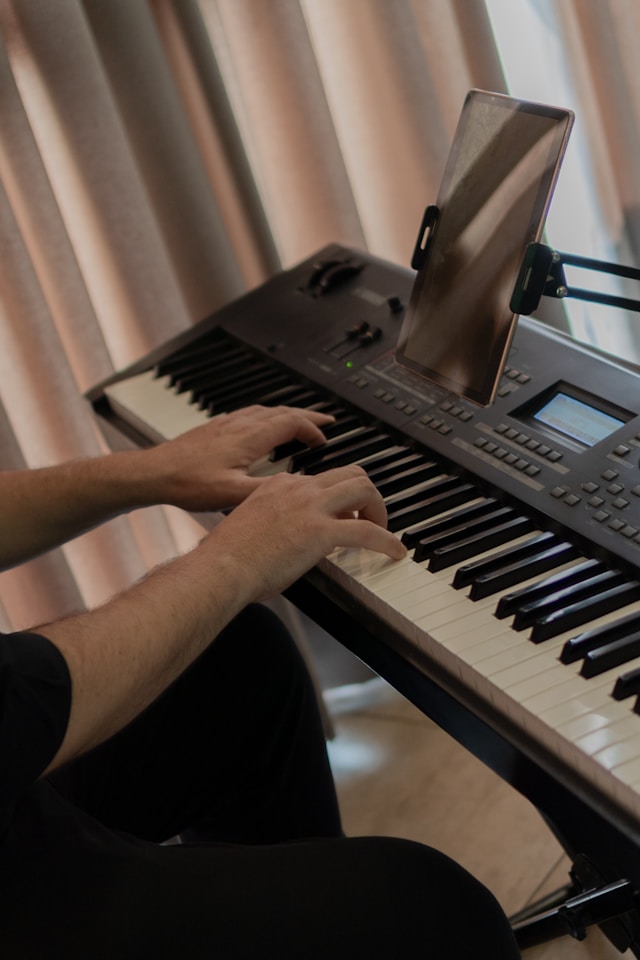
Museflow addresses fundamental challenges that traditional methods often overlook. Research demonstrates that effective piano education should engage visual, auditory, and psychomotor processes simultaneously. We all generally learn best when there's a multi-sensory learning experience that accelerates skill development. We hear of different learning styles: kinesthetic, auditory, reading, and visual.
What if, for fast progress, there was piano learning software that combined all those learning styles?
Fortunately, it exists.
Modern piano learning software excels in several critical areas:
Unlike traditional lessons that rely on weekly corrections, effective piano learning software provides instant feedback on every note you play. This immediate response system allows for rapid skill refinement and prevents the formation of incorrect techniques that can take months to unlearn.

Why does the best piano learning software produce faster results than traditional methods? The answer lies in how our brains process and retain musical information. Studies show that musical training creates plastic changes in adult brains, enhancing cognitive function and neural connectivity. Learning music changes adult brains, helping it function more effectively and build stronger connections that impact all of life.
Software-based learning amplifies neuroplasticity benefits through consistent engagement and optimized practice sessions. When you use piano learning software that maintains high levels of interaction, your brain forms stronger neural pathways more quickly than through passive learning methods.
The engagement factor cannot be understated. Research shows, and personal experience confirms, in any learning environment the engagement in the learning significantly impacts learning outcomes. This explains which explains why interactive software consistently outperforms traditional instruction for motivated learners.
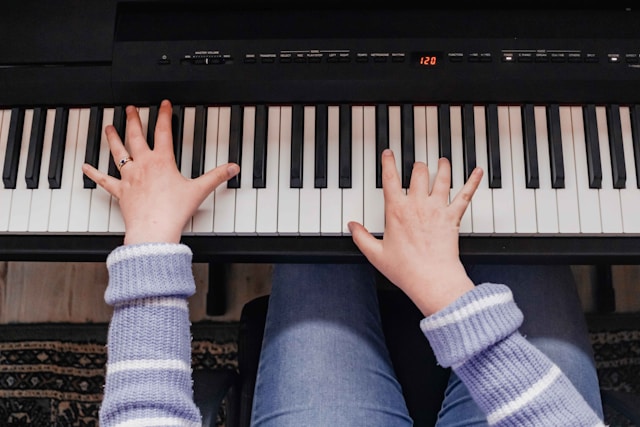
MuseFlow, similar to Duolingo, accelerates learning by adapting in real time to the learner’s skill level and keeping them in an optimal challenge zone. This personalized progression keeps users engaged, motivated, and improving with every session. By eliminating guesswork and providing immediate feedback, MuseFlow helps learners build confidence and master skills more efficiently than traditional methods.
The best piano online learning software incorporates specific features that distinguish it from mediocre alternatives:
The fastest way to learn piano as a complete beginner article explores how modern software approaches create optimal learning conditions.
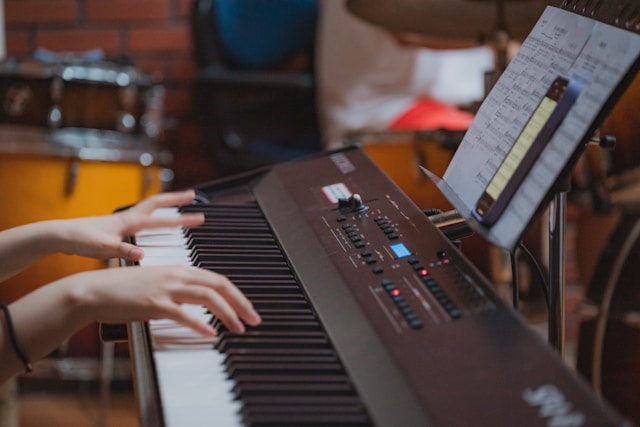
MuseFlow represents the pinnacle of piano learning software for beginners seeking fast progress. Unlike platforms that focus on entertainment over education, MuseFlow prioritizes genuine skill development through scientifically-backed teaching methods.
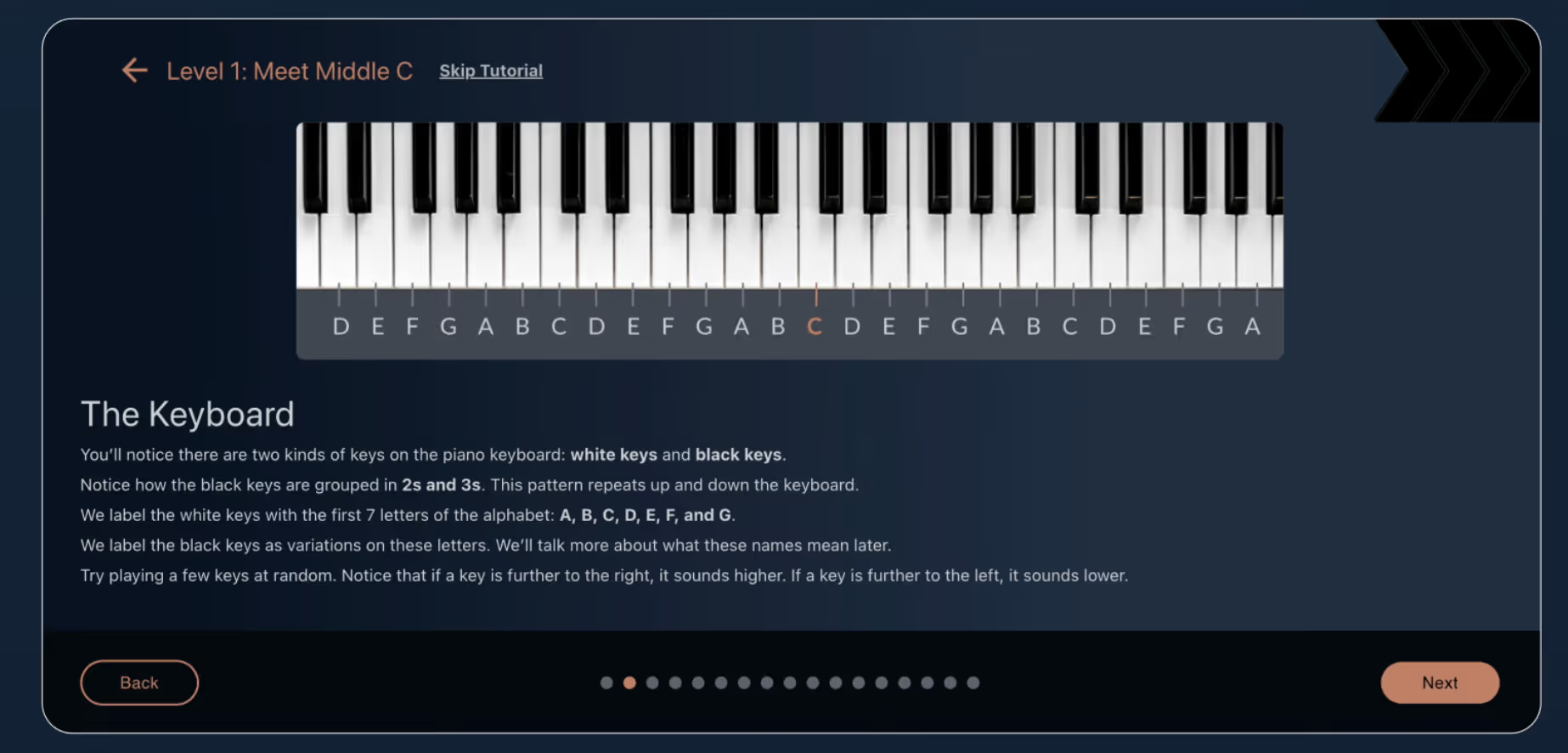
The MuseFlow advantage lies in its sight reading methodology. While other piano learning software might teach specific songs, MuseFlow develops fundamental skills that allow you to play any piece of music. With MuseFlow, musical notes are automatically generated so it feels far less like an exercise and much more like you're playing real music.
Real-time visual feedback transforms the learning experience. Notes cascade down the screen in perfect synchronization with your playing, creating immediate connection between what you see, play, and hear. How to learn piano with game-like lessons: Discover MuseFlow demonstrates how this platform makes complex musical concepts accessible for all learners.
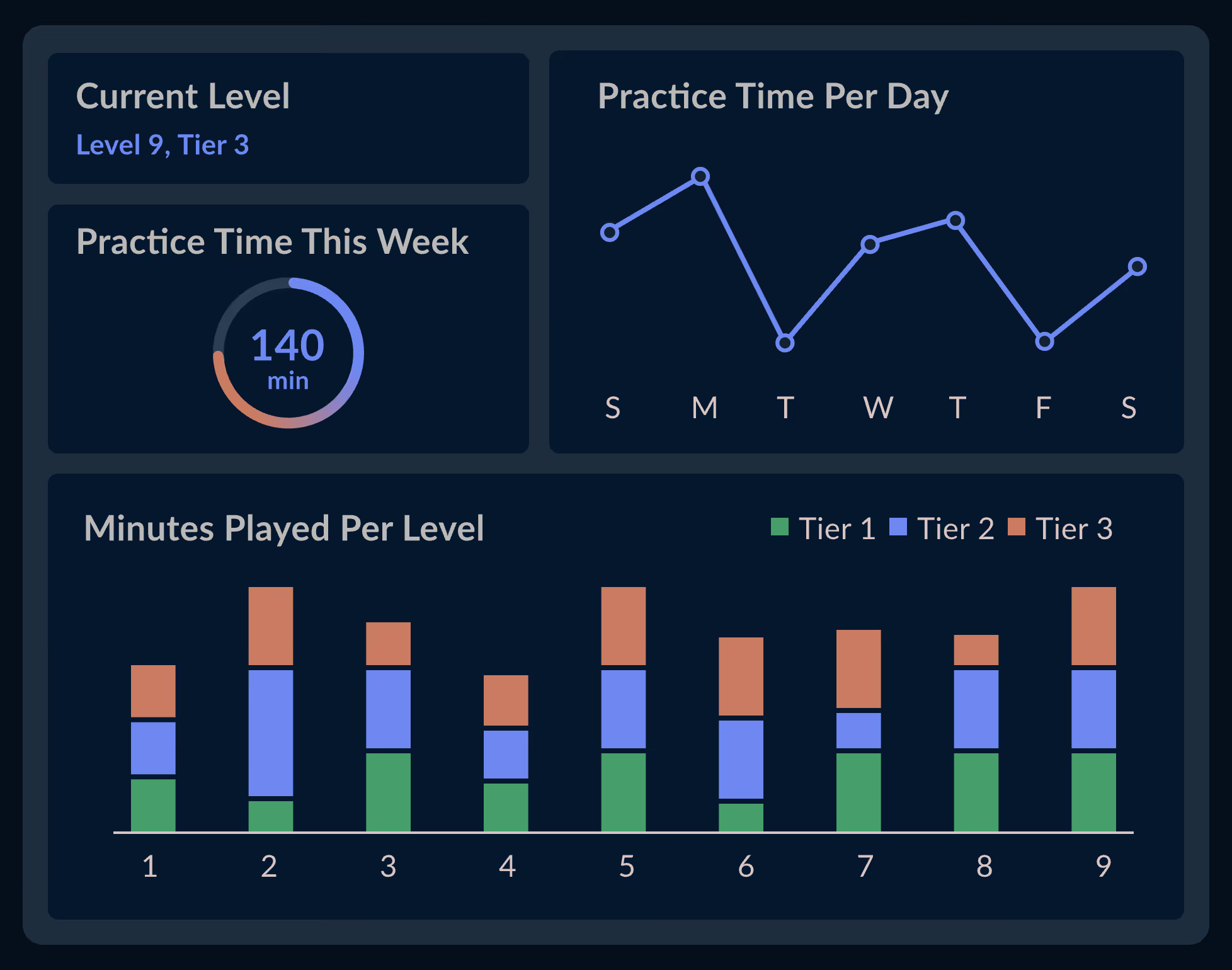
The best piano learning software provides clear metrics for tracking improvement. MuseFlow's analytics show exactly which skills you've mastered and which areas need focus, ensuring efficient practice sessions.
Motivation remains high when you can see tangible results. Quality piano learning software provides immediate feedback on accuracy, timing, and performance, while achievement systems keep beginners engaged during challenging phases.
Choosing the best piano online learning software depends on your specific goals. For beginners prioritizing rapid skill development, prioritize platforms that emphasize sight reading over song memorization and proven educational methodologies over flashy features.
Finally, consider your personal long-term learning trajectory. The best piano learning software grows with you, providing advanced challenges as your skills develop rather than limiting you to beginner-level content.
For some people that means simply enjoying music more deeply as a lifelong hobby. For others it could open the door to a career change, a little extra income playing gigs, or even the chance to serve by playing in a house of worship. The important part is that your practice connects to deeper goals that matter to you, not just finishing another exercise page.
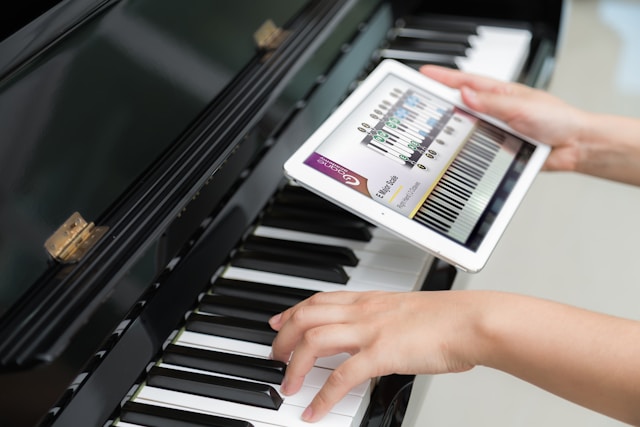
The right piano learning software can transform your musical journey from a slow process into an exciting adventure of rapid skill development. With platforms like MuseFlow leading innovation in digital music education, beginners have unprecedented opportunities to achieve their musical goals quickly.

Choosing a piano learning app is no longer just about finding songs to play—it’s about choosing a learning method that aligns with your long-term goals. Apps like Skoove have helped many beginners get started, especially those interested in guided song-based learning. However, a growing group of learners is now looking for tools that prioritize independent music reading skills rather than song memorization alone.
This is where MuseFlow enters the conversation—not as a replacement for traditional piano apps, but as a focused alternative for learners who want to build sight-reading fluency as a core skill.

Skoove offers a structured, lesson-based approach that combines popular songs, classical repertoire, and foundational music theory. For learners who enjoy guided tutorials and playing recognizable pieces early on, this model can be motivating and accessible.
Like many traditional digital piano platforms, Skoove’s progression is largely song-centric. Learners often work through individual pieces step by step, repeating them until they are comfortable. This approach can be effective for repertoire building, but some educators note that extended reliance on guided play can slow the development of independent note-reading skills if sight reading is not consistently emphasized alongside repertoire practice.
MuseFlow takes a different educational position by centering its entire curriculum around sight-reading development. Rather than treating sight reading as a supporting skill, it becomes the main learning objective.
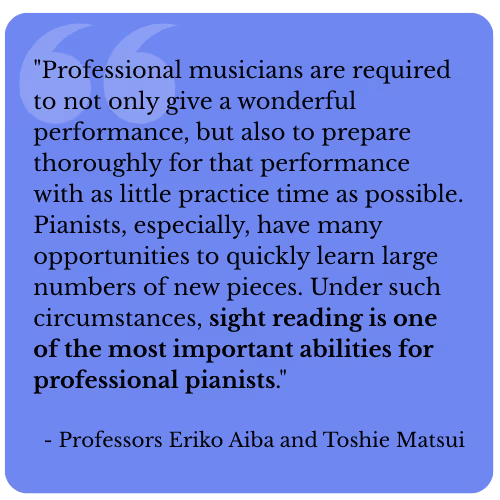
Instead of replaying the same pieces, learners are exposed to a continuous stream of short, structured musical material designed to reinforce:
This design encourages learners to process notation in real time—an ability closely associated with long-term musical independence.
Rather than relying on static lessons, MuseFlow uses adaptive difficulty scaling. Exercises adjust based on timing accuracy, pitch accuracy, and reading speed, keeping the material challenging but achievable.
This balance is critical. Educational psychology research consistently shows that skills develop most efficiently when task difficulty closely matches the learner’s current ability—challenging enough to require focus, but not so difficult that it leads to frustration.
MuseFlow’s real-time feedback loop reinforces this process by immediately connecting:
This tight feedback cycle is particularly effective for sight reading, where delayed correction can lead to ingrained errors.
A practical distinction between platforms like Skoove and MuseFlow is learning outcomes:
MuseFlow emphasizes the second outcome. By constantly presenting new material rather than fixed songs, learners are trained to decode notation rather than rely on memory. Over time, this supports faster learning of new repertoire—both inside and outside the app.
Gamification itself isn’t new, and not all implementations are effective. Its value depends on whether game mechanics support learning objectives rather than distract from them.
When applied correctly, gamified learning environments have been shown to:
MuseFlow uses gamification primarily to reinforce reading accuracy and timing, not as a reward system disconnected from musical outcomes. Progress indicators, adaptive pacing, and short achievement cycles are tied directly to measurable reading improvements.
.png)
There is no single “best” piano app—only tools that align better with specific goals.
Understanding this distinction helps learners choose tools intentionally rather than switching apps out of frustration later.
MuseFlow stands out not because it replaces traditional piano apps, but because it solves a specific, well-documented learning gap: fluent sight-reading. For learners who want to read music with confidence rather than rely on memorized pieces, it represents a focused and methodologically sound alternative.
Many piano learners struggle not because they lack talent, but because sustaining motivation and effective practice over time is difficult. This challenge is especially common among beginners, who often face repetitive exercises before they experience the satisfaction of musical progress. In response, gamified piano learning has emerged as an alternative approach that aims to make practice more engaging while supporting skill development.
Rather than replacing established teaching traditions, gamified learning builds on insights from cognitive science and music education to address common obstacles such as disengagement, inconsistent practice, and delayed feedback. Platforms such as MuseFlow apply these principles by combining structured skill progression with real-time feedback to help learners maintain consistent practice habits.

Conventional piano instruction has long emphasized scales, exercises, and repertoire study. These elements remain foundational in music education, but research suggests that how learners engage with practice can significantly influence outcomes. When instruction relies heavily on repetition without sufficient variation or feedback, learners may struggle to transfer skills across different musical contexts.
Educational research on music learning indicates that skill transfer depends strongly on how closely new tasks resemble prior learning experiences. Skills practiced only in narrow or repetitive contexts are less likely to generalize unless learners encounter them across varied musical material. This helps explain why some students plateau despite consistent effort.

Gamified piano learning addresses these challenges by integrating structured feedback, progressive difficulty, and visible progress indicators. Gamification does not simply mean adding points or badges; it refers to applying design principles that support sustained attention and goal-directed behavior.
Research in educational psychology consistently shows that student engagement plays a critical role in learning outcomes, particularly when feedback is immediate and actionable. In music learning, timely feedback helps prevent errors from becoming ingrained habits, which is especially important for beginners developing fundamental skills like sight reading and rhythm.
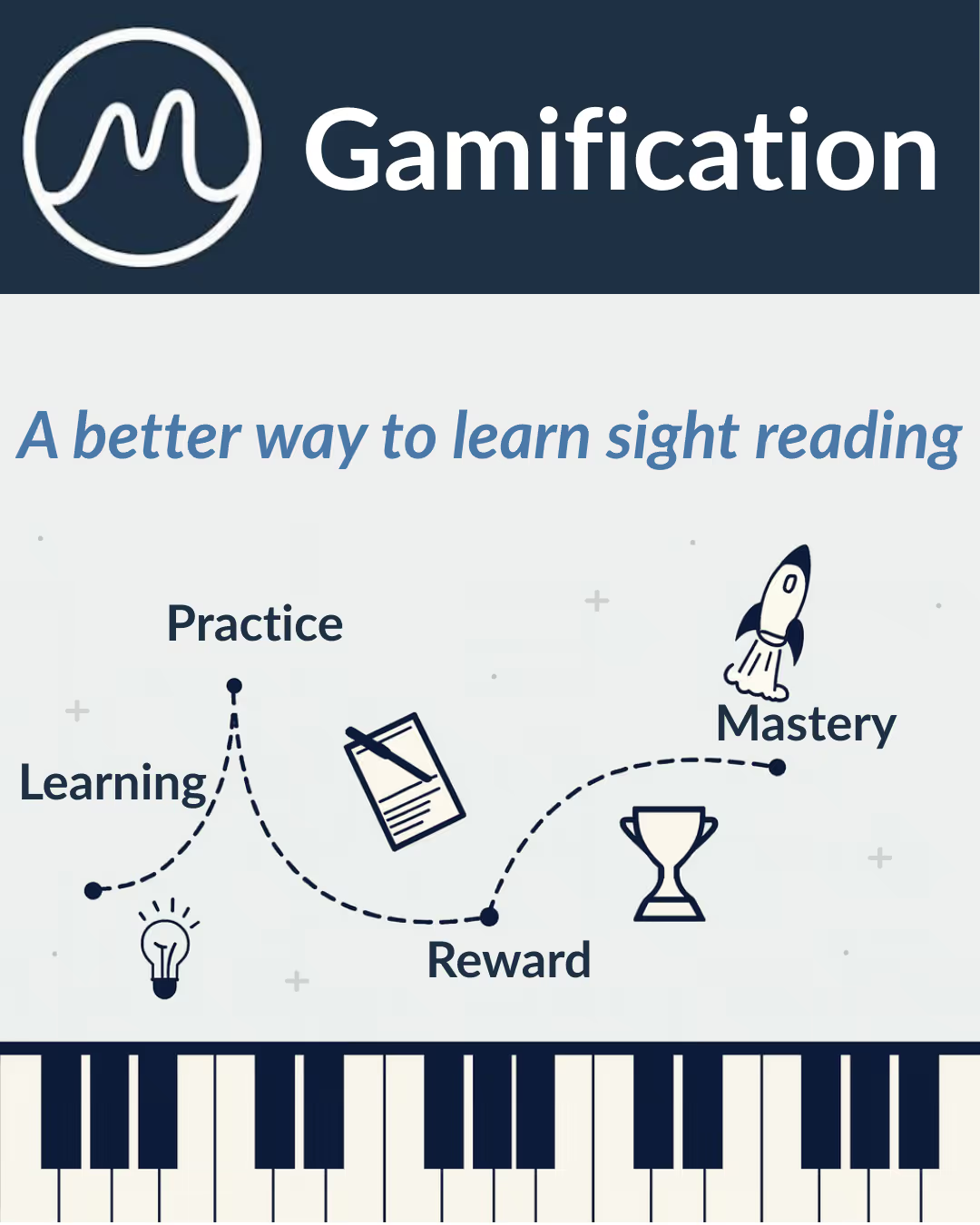
One concept often referenced in discussions of gamified learning is flow state, a term introduced by psychologist Mihaly Csikszentmihalyi. Flow describes a mental state in which individuals are fully absorbed in an activity because the level of challenge closely matches their skill level. In educational contexts, this balance helps learners remain focused without becoming bored or overwhelmed.
In music education, flow is more likely to occur when learners encounter new but manageable material, receive clear feedback, and can measure progress. These conditions align closely with findings from learning science that emphasize optimal challenge and deliberate practice as drivers of skill acquisition.
Music educator Dr. John Koch has described this approach as transformative, noting that sustained flow is difficult for many learners to achieve through unstructured practice alone. His observation reflects a broader consensus in pedagogy: learning environments that actively manage challenge and feedback tend to support deeper engagement.

Gamified piano platforms apply these research-backed ideas by:
By emphasizing sight reading and pattern recognition across many short exercises, learners practice skills in multiple contexts. This supports better transfer when encountering unfamiliar music, a key goal of musicianship.
Importantly, this approach does not eliminate the role of teachers. Instead, it allows technical skill development to occur more efficiently between lessons, freeing instructional time for musical expression, interpretation, and creativity.

Motivation remains one of the strongest predictors of long-term learning success. Studies on gamified learning environments show that learners are more likely to maintain consistent practice when tasks provide immediate feedback and visible progress.
While individual results vary, platforms that incorporate these principles often report higher practice frequency and longer engagement compared with unstructured self-practice. This aligns with broader findings that enjoyment and perceived progress significantly influence persistence in skill-based learning.
Gamified learning is not limited to children. Adults, in particular, benefit from structured feedback and flexible practice schedules. Whether a learner is starting from scratch or returning to piano after years away, gamified approaches can support consistent practice while reinforcing core skills such as sight-reading and rhythm.
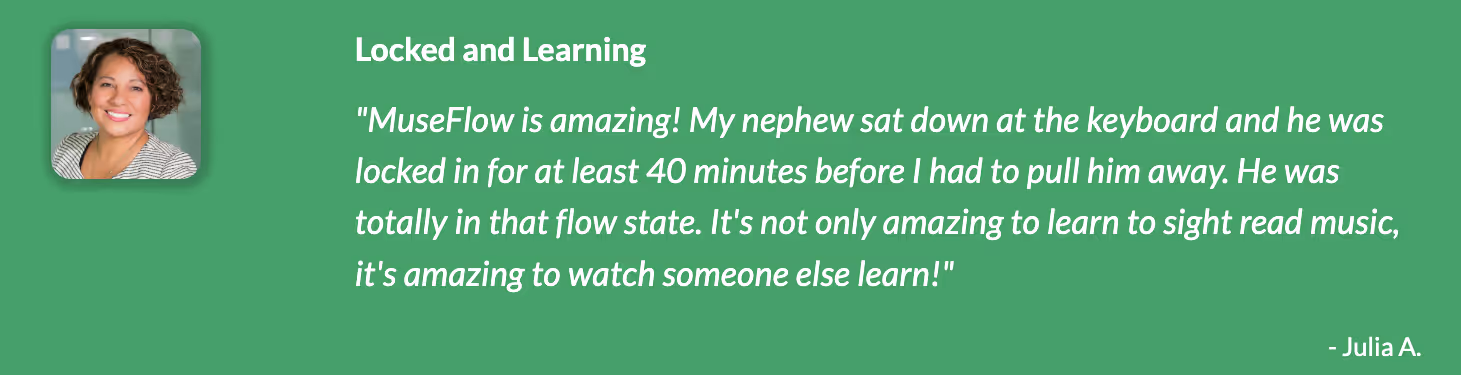
Gamified piano learning works not because it turns music into a game, but because it applies well-established learning principles: engagement, feedback, variation, and optimal challenge. When thoughtfully designed, it complements traditional instruction and helps learners build transferable skills more efficiently.
As music education continues to evolve, approaches that combine pedagogical rigor with learner-centered design may offer a more sustainable path for long-term musical growth.
Many adults wonder if it’s too late to learn piano at 30, 40, or even 60. Concerns about age-related limitations and the so-called “critical period” for learning often discourage adults from pursuing musical goals. However, research in neuroscience and adult learning suggests that the brain remains capable of acquiring new skills well into adulthood. Adult learners bring unique advantages that can make starting piano later in life both practical and rewarding.

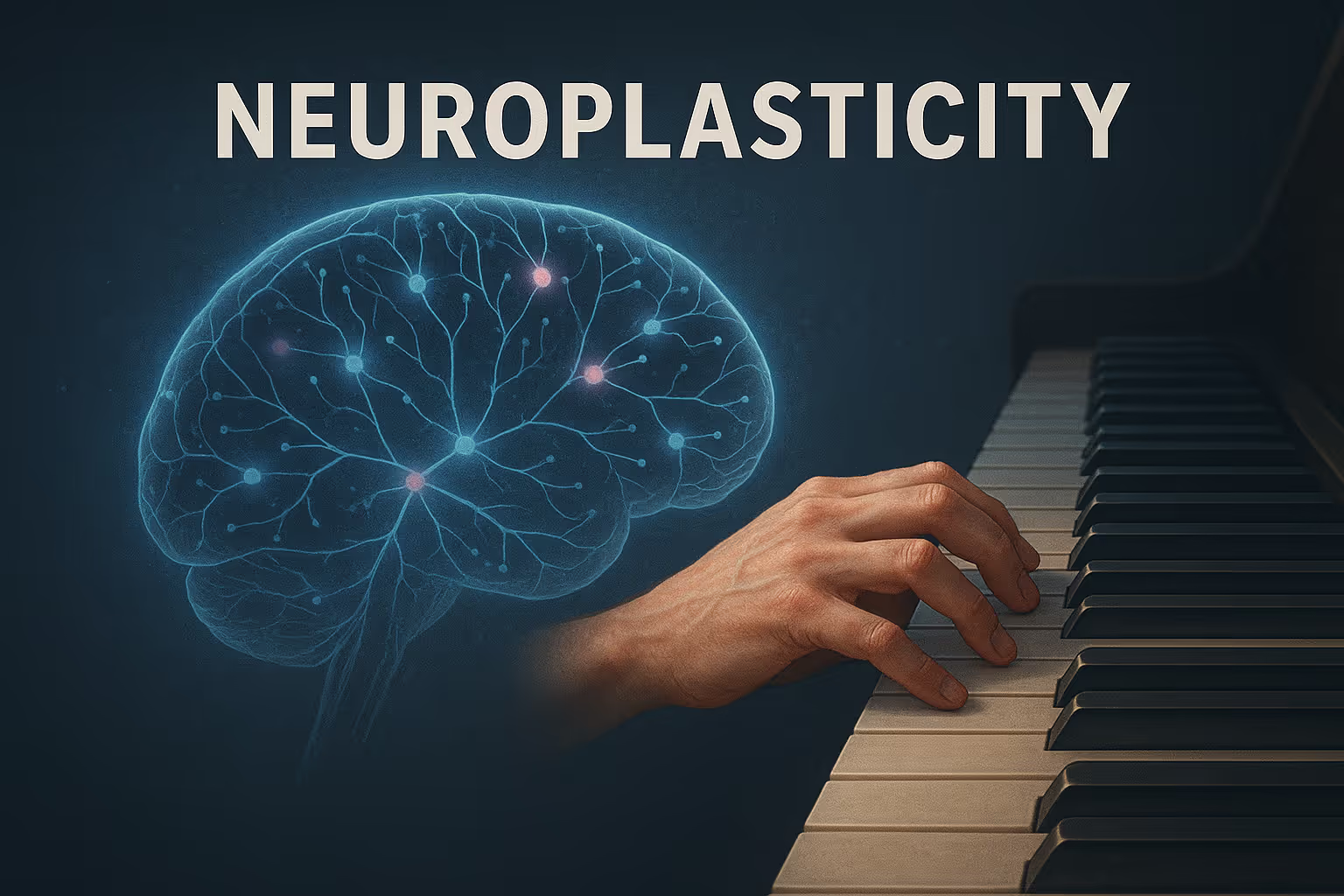
For decades, people believed that musical ability had to be developed in childhood. Modern neuroscience challenges this notion. Studies indicate that adult brains maintain the ability to form new neural connections, a property known as neuroplasticity. Musical training in adults has been shown to produce measurable changes in brain structure and function, improving coordination, memory, and auditory processing. While adults may learn differently than children, these neural adaptations support sustained, meaningful skill development.
Neuroplasticity allows adult learners to integrate new information with existing knowledge, enhancing pattern recognition and retention. This capacity, combined with focused attention and deliberate practice, enables adults to make steady progress on the piano.
Adults possess several characteristics that can accelerate learning:
While these advantages are significant, adult learners may still benefit from guidance or feedback from teachers or structured learning tools, especially for technical skills or sight reading.
Digital tools like MuseFlow offer structured support for adult learners. The platform provides adaptive exercises, real-time performance analysis, and a structured approach to skill development, allowing adults to practice independently while maintaining efficiency.
Key features include:
These features create a framework that aligns with adult learning principles, supporting consistent practice and measurable progress without requiring constant instructor oversight.
Adults may encounter specific obstacles when learning piano:
By adopting a growth mindset and integrating structured practice tools, adults can navigate these challenges successfully.
Adults bring an emotional depth to learning that can accelerate skill acquisition. Music linked to personal memories or experiences provides motivation and meaningful engagement. This emotional connection enhances memory retention and supports sustained practice. Coupled with neuroplasticity, these factors allow adults to develop piano skills in a way that is both cognitively and emotionally rewarding.

Research and practical experience indicate that adult learners are well-equipped to begin piano study at any age. Brain plasticity, intrinsic motivation, and goal-oriented practice provide a foundation for effective learning. Platforms like MuseFlow offer structured practice environments, adaptive feedback, and flexible scheduling that support these principles.
Adult learners can make steady, meaningful progress by combining deliberate practice, technology-assisted learning, and a growth-oriented mindset. Age alone is not a barrier; with the right approach, the journey to piano proficiency can start at 30, 40, or beyond.
Getting bored while learning piano is one of the most common reasons students quit before reaching their musical goals. Many learners begin with enthusiasm, only to find that daily practice gradually feels repetitive, unrewarding, or disconnected from real progress. If this sounds familiar, the issue is likely not a lack of talent or discipline—it’s the structure of practice itself.
Boredom during piano practice is often a signal that learning methods are misaligned with how people stay engaged and develop skills over time.

Studies on skill acquisition consistently identify three conditions that support sustained engagement and progress:
Immediate feedback
Learners improve more efficiently when they can instantly see or hear whether an action was correct. Delayed feedback increases uncertainty and slows learning.
Balanced challenge
Tasks that are too easy quickly become boring, while tasks that are too difficult create frustration. Optimal learning happens in the middle ground, where challenge slightly exceeds current skill.
Clear progress signals
Visible indicators of improvement—accuracy, consistency, or speed—help learners connect effort with results, sustaining motivation over time.
Music education research also highlights the importance of multisensory learning. Effective piano instruction integrates visual (notation), auditory (sound), and motor (movement) processes. When these systems work together, retention improves and mental fatigue is reduced.
When practice lacks these elements, learners often slip into an “autopilot” mode, repeating notes without meaningful engagement.

Before changing tools or platforms, several evidence-based strategies can help reduce boredom:
These strategies are effective regardless of teaching style and can significantly improve engagement when applied consistently.

Some modern piano-learning platforms attempt to operationalize these learning principles by automating feedback, adapting difficulty, and increasing practice variety. When designed well, this can reduce common friction points, particularly for beginners or independent learners.
For example, platforms such as MuseFlow emphasize continuous sight-reading practice with real-time accuracy feedback and adaptive challenge levels. Used appropriately, this type of system can help learners remain within a productive difficulty range instead of relying on repeated drills alone.
It’s important to view these tools as practice supports, not replacements for musical instruction, expression, or repertoire study. Their value lies in reinforcing core learning principles, not bypassing them.
Avoiding boredom while learning piano doesn’t require more willpower or longer practice sessions. It requires aligning practice methods with how people actually learn and stay engaged.
When feedback is timely, challenges are balanced, and progress is visible, practice naturally becomes more rewarding. Over time, this leads not only to improved motivation but also to stronger skill retention and musical confidence.
The most successful piano learners are rarely those who force themselves to practice the most. They are the ones whose practice methods make learning feel purposeful, measurable, and engaging.

Keep up to date on our progress as we continue to add new features!