Adult Learning
Beginners
Curriculum
Self-Improvement
How to Learn Piano Without a Teacher: A Practical, Research-Backed Guide
July 2, 2026

Learning piano without a private teacher is a goal many people share, especially those balancing work, family, or limited access to in-person lessons. While traditional instruction has long been considered essential, modern learning tools and research into skill acquisition suggest that self-directed piano learning is possible—when approached correctly.
The challenge is not whether you can learn piano on your own, but how to avoid the common pitfalls that cause many self-learners to stall or quit. Below, we separate long-standing myths from what current music education research and practice actually show.
The reality:
Historically, this was true. Without feedback, learners often reinforced incorrect notes, rhythms, or fingerings—what educators call “negative practice.” Once habits form, they are difficult to undo.
Today, real-time feedback systems have changed this dynamic. Research on motor learning and music education consistently shows that immediate corrective input improves accuracy, retention, and long-term skill development. Digital tools that listen to performance and respond instantly allow learners to correct errors at the moment they occur, rather than days later.
This feedback loop does not replace musical judgment or interpretation, but it significantly reduces technical drift during independent practice.

The reality:
A teacher remains the gold standard for posture and injury prevention. However, structured visual guidance and progressive exercises can establish a solid technical foundation for beginners.
Educational research shows that consistent fingering patterns, gradual complexity, and early note recognition are more important than repertoire memorization in the early stages. Tools that emphasize sight reading and coordinated hand movement help train both cognition and motor control together—an approach widely supported in music pedagogy literature.
Self-learners who follow a structured path are far less likely to develop inefficient habits than those jumping randomly between songs or tutorials.

The reality:
Motivation is one of the biggest challenges for independent learners. Long, repetitive practice sessions without visible progress often lead to burnout.
Studies on learning psychology show that short, focused sessions with clear goals and measurable progress are far more effective. Gamified learning systems apply these principles by balancing difficulty with ability, helping learners remain in a “flow state”—a condition linked to sustained engagement and enjoyment.
When progress is visible and attainable, consistency improves naturally.
The reality:
Lack of structure is a major reason self-teaching fails. Jumping between scales, theory videos, and songs creates confusion and uneven skill development.
Successful self-learners follow progressive curricula that introduce concepts in a logical order while allowing flexibility. A structured sequence ensures foundational skills—timing, note recognition, coordination—are reinforced before complexity increases. At the same time, optional exploration keeps learning personally meaningful.
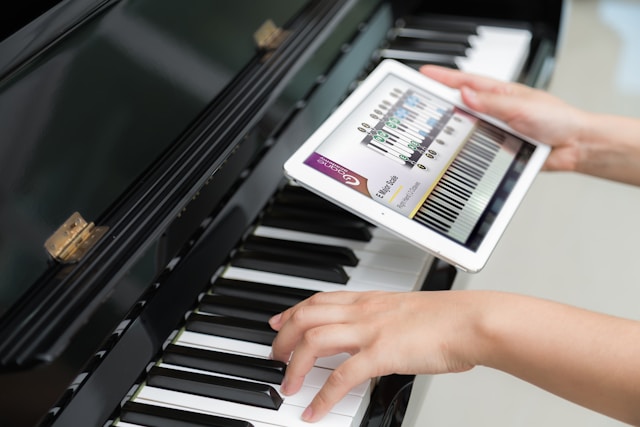
Modern piano apps that provide real-time feedback, structured progression, and adaptive difficulty can address many traditional self-learning gaps. Platforms like MuseFlow are examples of tools designed around these principles, particularly with an emphasis on sight reading and immediate correction.
However, technology is not a substitute for musical expression, stylistic nuance, or long-term artistic mentorship. Learners who combine disciplined self-practice with occasional external feedback—whether from teachers, peers, or recordings—tend to progress the fastest.

Yes—with realistic expectations and the right structure.
Self-teaching works best when learners:
Learning without a teacher requires more responsibility, but modern tools have lowered the barriers significantly. For motivated learners, it is no longer a compromise—it is a viable, effective path into music.

The most exciting thing about learning to play the piano is the freedom to play songs already familiar to you. One of the most motivating parts of learning to play piano was learning my favorite song for a talent show. And did you know that there’s evidence that this can actually help you learn more effectively? When you’re having fun and playing songs you know and love, you’re more likely to stick to the habit!
Below are some of the best songs to help you get started. We chose songs from different decades that made an incredible impact on the world that you start learning to play today!
Hallelujah was released by Leonard Cohen in 1984 on his album Various Positions. Since then, several versions of the folk rock classic have been released, including a version by John Cale that you might have heard featured in the 2001 Dreamworks film Shrek.
The incredibly poetic lyrics are set to a haunting progression of C, F, G, A minor, and back to F - even being referenced in the famous first verse: “it goes like this, the fourth (F), the fifth (G), the minor fall (A minor), and the major lift (F).”
Since then, the song has continued to be immortalized through covers throughout the decades. Jeff Buckley released a cover in 1994 that eclipsed the popularity of the original, even earning a spot in the Library of Congress in 2013. The song continues to live on with people offering new interpretations, including Kate McKinnon famously covering it during an SNL cold open in 2020.
Paul Simon and Art Garfunkel were one of the best selling musical acts of the 1960s. They were known for their truly eclectic musical influences, which incorporated their haunting harmonies on to folk, Latin, and gospel influences. Their pair added their own twist to the traditional English ballad Scarborough Fair by incorporating the melody of an anti-war song written by Paul Simon, resulting in the phenomenon known as counterpoint - which is you combine two independently satisfying melodies. This resulted in what is arguably the most popular rendition of Scarborough Fair.
Their cover of Scarborough Fair appeared on their third studio album, Parsley, Sage, Rosemary, and Thyme. The album is named after the refrain in Scarborough Fair, where the singer bemoans the impossible tasks they require one to accomplish for their love.
Scarborough Fair is also an excellent example of Dorian mode - which is a type of musical scale that gives the English standard its dreamy, gut stirring feeling. Other songs written in Dorian mode include Blue Jeans by Lana Del Rey, and Billie Jean by Michael Jackson.
Now we enter the 70s - don’t worry, I have some extra bellbottoms you can borrow! Billy Joel released Piano Man in 1974, about his time moonlighting as a piano lounge singer when he needed to pay the bills. At the time, he was in a legal battle with his record company and went by his middle name, Bill Martin.
The lyrics detail different regulars that come into the bar where the singer, the Piano Man, is playing. The 1974 version is in the key of C Major, and begins with a jazzy riff before falling into a ¾ time signature.
The song was moderately successful initially. It peaked at number 24 in the Billboard Top 40, making it Billy Joel’s first ever Top 40 hit. However, it’s since become one of his most recognizable and most loved songs. In 2015, it was selected as one of 25 songs to be preserved by the Library of Congress.
Christina Perri wrote and recorded A Thousand Years for the penultimate film in the Twilight film franchise, The Twilight Saga: Breaking Dawn - Part 1. While the song had a slow climb up the charts initially, it has persisted and gained a life of its own. As of May 2026, it has almost 29 million uses on TikTok and 3.8 billion views on Youtube.
Written in the key of B-flat, Perri sings about the at-times tragic love story of Edward and Bella from the Twilight franchise.
The piano has been a mainstay on the chart throughout history. All of these songs are available for you to learn now on MuseFlow, tailored to your pace and current skill level. Our lessons:

Neuroplasticity is defined simply as the brain's ability to rewire itself to new experiences. This can happen in response to injury, for example, but the brain also gets all neuroplastic when learning new things. Below, we're going to dive deeper into how the mechanism of neuroplasticity actually works, and how we can leverage it.
First, this is how your brain is supposed to work. There are a lot of ideas floating around out there about how skill and intelligence are fixed, or that there is a certain point of development where plasticity stops. Not only is that not true, but your brain is actually designed specifically to acknowledge, absorb, and adapt to new information all throughout your life.
We have certain neurons in our brain that release a neurotransmitter called acetylcholine. Acetylcholine is essential for learning and memory, as well as a number of other vital bodily functions. We release it under conditions of focused attention to stimulus. It’s the neurotransmitter that, for example, regulates heart rate. Over time, plasticity is built as acetylcholine creates new pathways as we learn new things, and our brain learns to prioritize those pathways and deprioritize the pathways that don't contribute.
Your first step to successful skill retention is going to be choosing a skill that is challenging and novel. For example, the piano. Whether you are fresh to the bench or refreshing your arpeggios, decide on something that is new-to-you, challenging, and has some personal relevance to you. Neuroplastic change is associated with a sense of feeling rewarded.
Next, attention is critical. Uninterrupted focus on your new habit for an amount of time, let's say 20 minutes a day, allows your brain the ability to form the pathways we want it to. We're going to call this step, Attention. This step will not work if you're multitasking - you have to completely focus, undividedly, on the task.
Once these new pathways have been formed, it's important to remember that the brain is constantly evolving. This means that it’s important to keep strengthening and refining these pathways that we’ve worked so hard to build!
In order to solidify our changes from chemical to structural, we need to do the next step, which we're going to call, Repetition. We're going to define repetition as continuing this intense focused attention for a prolonged period of time. The study I'm referencing showed a progressive plasticity when continued over a period of several weeks.

If you’re like me at all, then choosing a new habit and staring down a period of several weeks usually looks like giving up in a few days and a barrage of self-admonishment. Instead, in the interest of plasticity, we’re going to add in our next step: Adjustment.
As an example, let’s follow our friend Penelope Piano, who has decided to set a resolution to learn a song on the piano for her friend’s birthday. She sits down on the first day for an hour, the second day for 45 minutes, and misses the third day altogether. A week later, she acknowledges that she hasn’t kept up with her practice. She gets frustrated with herself and swears she’ll sit down for 90 minutes the next day to make up for it.
While I certainly hope Ms. Piano meets her goal, neuroplastic changes take time. The route that she took can end up creating a pathway in her brain that associates the piano with obligation and frustration. Instead, she could have acknowledged that she hasn’t met her goal, and adjusted to a more manageable time to start, such as 15-20 minutes - or perhaps changed her practice time to a time of day where her energy levels were different.
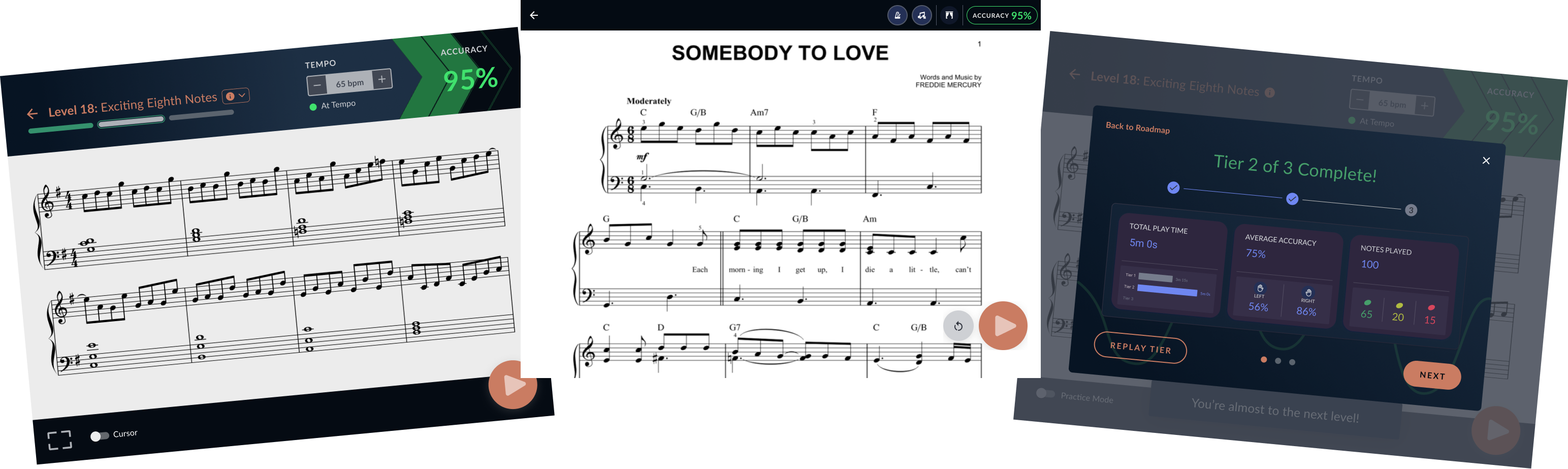
Since these pathways and neurons are constantly being restructured and renewed, it’s important to keep the associations to your habits positive. It’s not unheard of for people to associate the piano with frustration and obligation, which does lead to many people abandoning the practice. MuseFlow employs elements of gamification specifically to combat this and aid you in solidifying these neural pathways.
Your brain is constantly shifting, adapting, growing and evolving, and you can absolutely engage this super power to your benefit! First, choose a skill or task that is challenging and meaningful. Neuroplasticity is more likely to happen with goals that are important to you. Next, focus on it, undividedly.
While I have no doubt that you are a stunning multitasker, it’s important for these pathways that we are building that this new skill has your uninterrupted attention for an amount of time. Then, keep doing that for a prolonged period of time - keep practicing! Finally, adjust. It’s normal and even expected for slip ups to happen. Neuroplasticity does take time.
Don’t get discouraged if a new skill doesn’t immediately take. Simply readjust and keep forming those pathways.
There are perhaps few things scarier to a musician than focal dystonia. I recently had lunch with a friend who is a professional clarinetist for the San Francisco Ballet, and she mentioned she personally knows about one hundred classically trained musicians who have developed this neurological disorder!
In the sports world this is commonly referred to as the yips, and this disorder affects around 1% of professional musicians across all genres. However, 95% of those cases come from classically trained musicians. Let’s discuss why this happens, and what mitigation efforts you can be put in place so that focal dystonia never presents itself in your performance.

Focal dystonia causes a loss of voluntary motor control in extensively trained movements. The brain develops overlapping neural maps, and musicians can experience cramping, tightness, fatigue, and involuntary muscle contractions. This can make it hard to perform complex instrument movements that musicians have been practicing for years.
Focal dystonia is idiopathic, meaning that “experts can’t point to one factor that causes it.” But some risk factors have been determined. According to Medical Problems of Performing Artists:
Because there’s a strong association between anxiety and perfectionist tendencies and focal dystonia, we should look at the ways piano teaching and training can either contribute to or alleviate those risk factors.
.jpg)
Many traditional teaching systems can encourage students to repeat certain bars and passages over and over again in order to perfect their technical skills and repertoire. But that can actually be detrimental to your fine motor skills.
Extreme, precise repetition can lead your brain to reorganize its neural connections in a process called cortical remapping. This is understood to be a major risk factor for focal dystonia. Variation is important for keeping your neural maps from overlapping.
The perfectionism that many musicians are taught can directly lead to major risk factors.

To avoid these potential risk factors, we need musical education that reduces the repetitive, overly controlled, anxiety-inducing perfectionism that is far too prevalent in classical training. We can do this by:
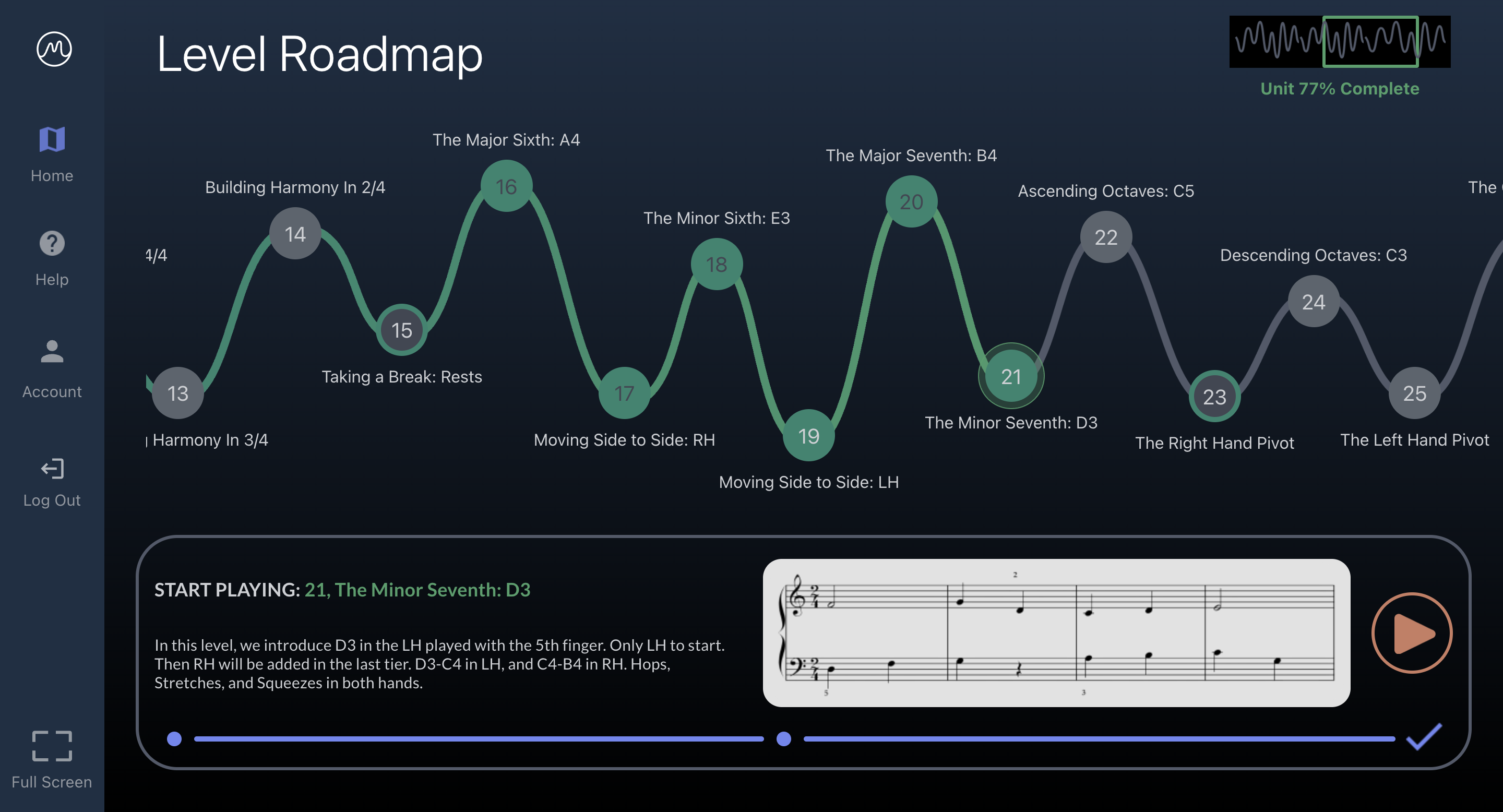
MuseFlow is a piano education program that encourages Flow State and sight reading through constant music variation. The system offers an alternative to the high-pressure classical training that can be healthier for your nervous system and reduce the risk factors associated with focal dystonia.
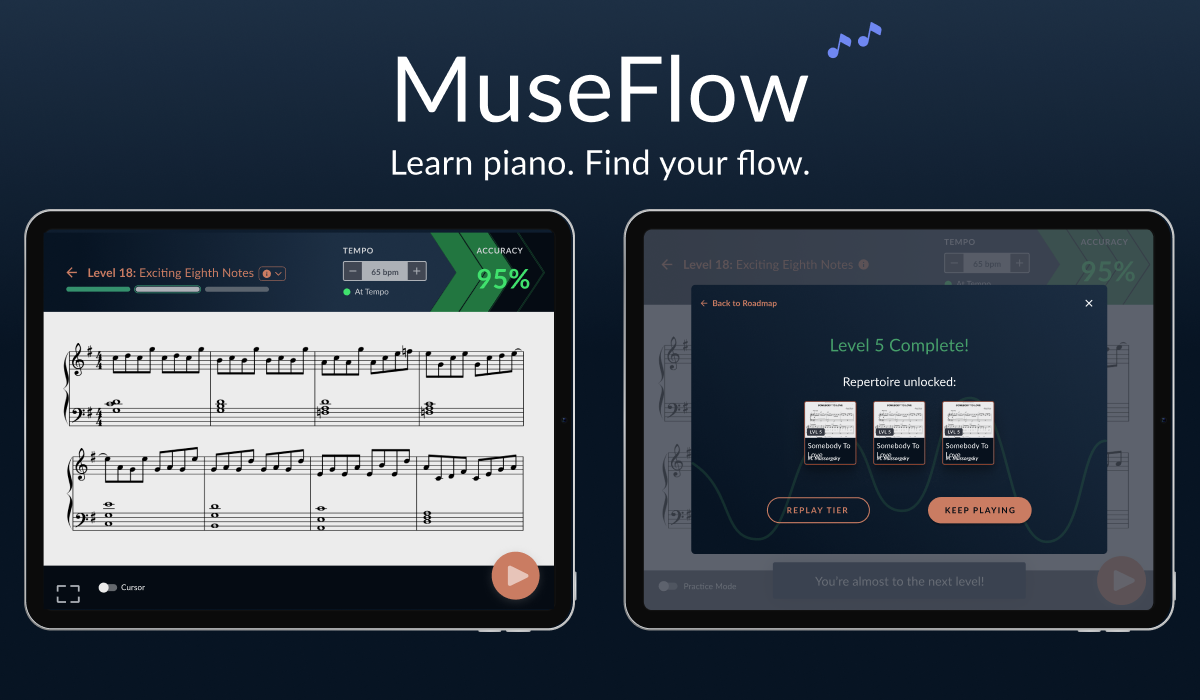
If left unchecked, focal dystonia can threaten to derail musicians’ careers. So it’s worth considering how we can reduce the possible risk factors in our music education.
It’s important to note that specific training methods can’t treat focal dystonia or guarantee you won’t develop it. Some people have genetic predispositions and prior injuries that make them more vulnerable to developing the disorder than others. But by focusing your music education around variation, flow, and positive reinforcement, you can support healthier motor learning principles.
And here’s the cool thing about ditching repetitive perfectionism…it can also make learning the piano a lot more fun.
Sometimes, the beginning of the year can bring stress, anxiety, or other emotional hurdles that we don't expect.
Prolonged stress and anxiety can result in respiratory problems, chronic pain, as well as a number of other issues - on top of just being plain unpleasant to deal with.
Studies show that learning to read and play music may improve mood and reduce depression symptoms.
Researchers discovered that subjects experienced relaxation, happiness, and increased tolerance of uncertainty. Novices to experts were given instruments to play and experienced these benefits over relatively short periods.
If you think about it, it makes sense that tolerance of uncertainty is a benefit of playing music. For one, jazz is highly unpredictable and requires a large amount of improvisation. You never know what’s going to come next. There’s a framework, but what’s being played within that framework is completely up to the other musicians you are playing with. Jazz is inherently uncertain.

There were also cognitive benefits in addition to improved mental health, including in aging adults and people with mild brain injuries. Increased dexterity and coordination resulted in an increased quality of life for a diverse group of people.
Music is one of those elements, like smell, that triggers memories in a very visceral way, especially when that memory isn’t able to be tapped into any other way. Unity Hospice summarized it well:
"when a dementia patient hears music connected to a memory, they can 're-awaken' and regain the ability to connect with people around them. Sometimes, people who haven't spoken for years find words and actually sing lyrics."

There are actually a few mechanisms through which playing music improves your wellness.
The multi-sensory workout of playing an instrument improves your executive function because the practice builds the corpus callosum, the area of the brain responsible for emotional regulation and problem solving. It’s a thick bundle of nerves that connect the right and left hemispheres and in musicians, it tends to be more developed. Over time, you can see improvement in executive function and even depression.
This is in addition to the feel-good neurochemical cocktail we get from music: dopamine (pleasure and motivation), oxytocin (the bonding hormone), and a significant drop in cortisol (the stress hormone). This naturally combats stress and anxiety.
Music training requires complex fine motor skills, as well as increased attention and concentration. While studies reveal an increase in processing speed and improved executive function in both healthy and unhealthy individuals, the exact mechanism is still being studied.
Picking up the piano has been shown to improve cognitive function in mild brain injuries as well as mental illness. There is even a dedicated branch of therapy, known as music therapy, combining clinical research with music to address diagnoses.
Music therapy is a structured approach to accomplish a patient’s goals by a credentialed professional. It has been proven to help treat and improve a number of conditions from Parkinson’s to childbirth. It is an extremely beneficial approach that many can benefit from, but it is distinct from an ongoing practice for personal wellbeing and fulfillment.
The same mechanisms that make music therapy effective for treating a wide array of conditions are available to you, too.
Learning piano is a skill that you can have for life, can help you become more attentive and less stressed, and you can have fun while doing it! You can take advantage of the physical, emotional, and cognitive benefits and build a personal wellness practice for yourself.
.png)
Music learning and wellness go hand in hand. If you’re ready to craft a unique, research-backed wellness practice for yourself, try MuseFlow! Our platform is designed not only for you to learn music in the most effective way possible, but to be engaged and motivated while doing it. MuseFlow is tailored to each pianist, allowing you to enter a Flow State; allowing you to increase skill acquisition, and decrease anxiety and boredom.
Optimize your wellness - try MuseFlow for free today.
Sight reading is the ability to play a piece on first sight. It’s a unique skill that requires reading, comprehending, and then translating sheet music in an instant. It involves deciphering rhythm, pitch, time pressure, and coordination…all at the same time.
The benefits of learning this skill are endless. As we talked about in our previous blog, sight reading:
A study in the International Journal of Music Education found that while sight reading is important, training is “often neglected,” even among advanced pianists.
But why is that? It may be in part because traditional piano learning systems are largely insufficient at helping you develop, track, and practice the skill.
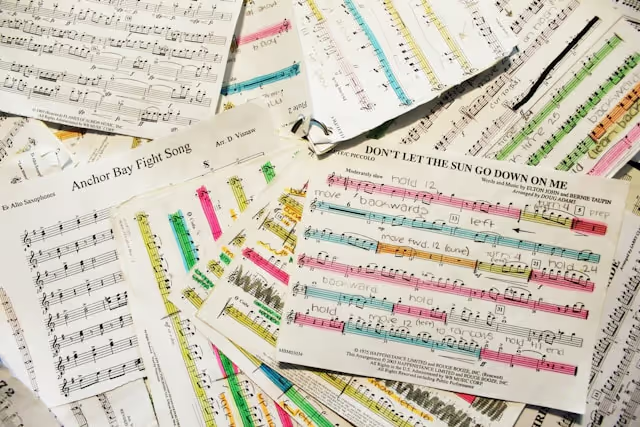
We’ve talked in a prior blog post about the different piano grading systems. Music exam boards like ABRSM and RCM offer these systems to help pianists track their progress, set goals, and offer standardized certifications that musicians can use for college and job applications. While these can be very useful, we’ve found that they just don’t prioritize sight reading.
A major component of these grading systems is preparing, polishing, and performing a number of songs. Learning these songs:
In most cases, sight reading is only a small component of the exam. For ABRSM, often seen as the standard for piano grading systems, sight reading makes up about 14% of a typical exam. In fact, across the board, sight reading tends to only occupy about 10-15% of piano grading exams.
But you don’t learn sight reading by polishing your repertoire…you learn it by playing music you’ve never seen before.

Within these grading systems, the sight reading component is usually graded on a pass-fail basis. You either succeed at the given level or you don’t. But sight reading is a lot more nuanced than that.
Your sight reading ability exists on a spectrum. You could have advanced skills of reading fluently at tempo but struggle with rhythms. You could move quickly at the keys you know well but freeze at the ones you don’t. It’s a nuanced skill, and your assessments should be similarly nuanced.
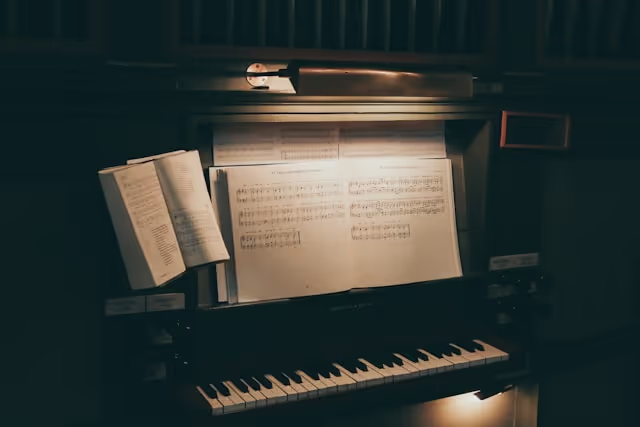
Just like every other aspect of playing the piano, learning sight reading requires practice. There are books that offer guidance and sheet music specifically for this. That could give you a good start, but you’ll always run into the same problem: running out of sheet music.
Sight reading involves playing a piece of music on your first exposure to it, so you can only really practice and get better if you have a steady stream of new-to-you songs. Sight reading books are finite resources that you’ll eventually read through and no longer have use for.
So if the traditional infrastructure for sight reading:
Then how are you supposed to actually learn it?

This is where MuseFlow comes in. While most other piano learning systems treat sight reading as a secondary skill, MuseFlow treats it as a trainable system that’s foundational for your musical progress.
Compared to the pass-fail aspect of traditional piano exams, MuseFlow offers an adaptive, incremental approach to learning sight reading and tracking your skill level. When you play MuseFlow’s gamified system, the app gives you real-time feedback on the notes you play. So you’re able to see exactly where and how you can improve at any given level.
MuseFlow also introduces one new idea at a time, and you can change the tempo whenever you want less or more of a challenge. The hyper-specific nature of the program ensures that it’s always meeting you at your skill level and helping you along as you get better.
And perhaps most importantly, MuseFlow’s algorithm-based generative sheet music gives you an indefinite amount of songs. That means there’s no need to worry about running out of new-to-you music to practice your sight reading.
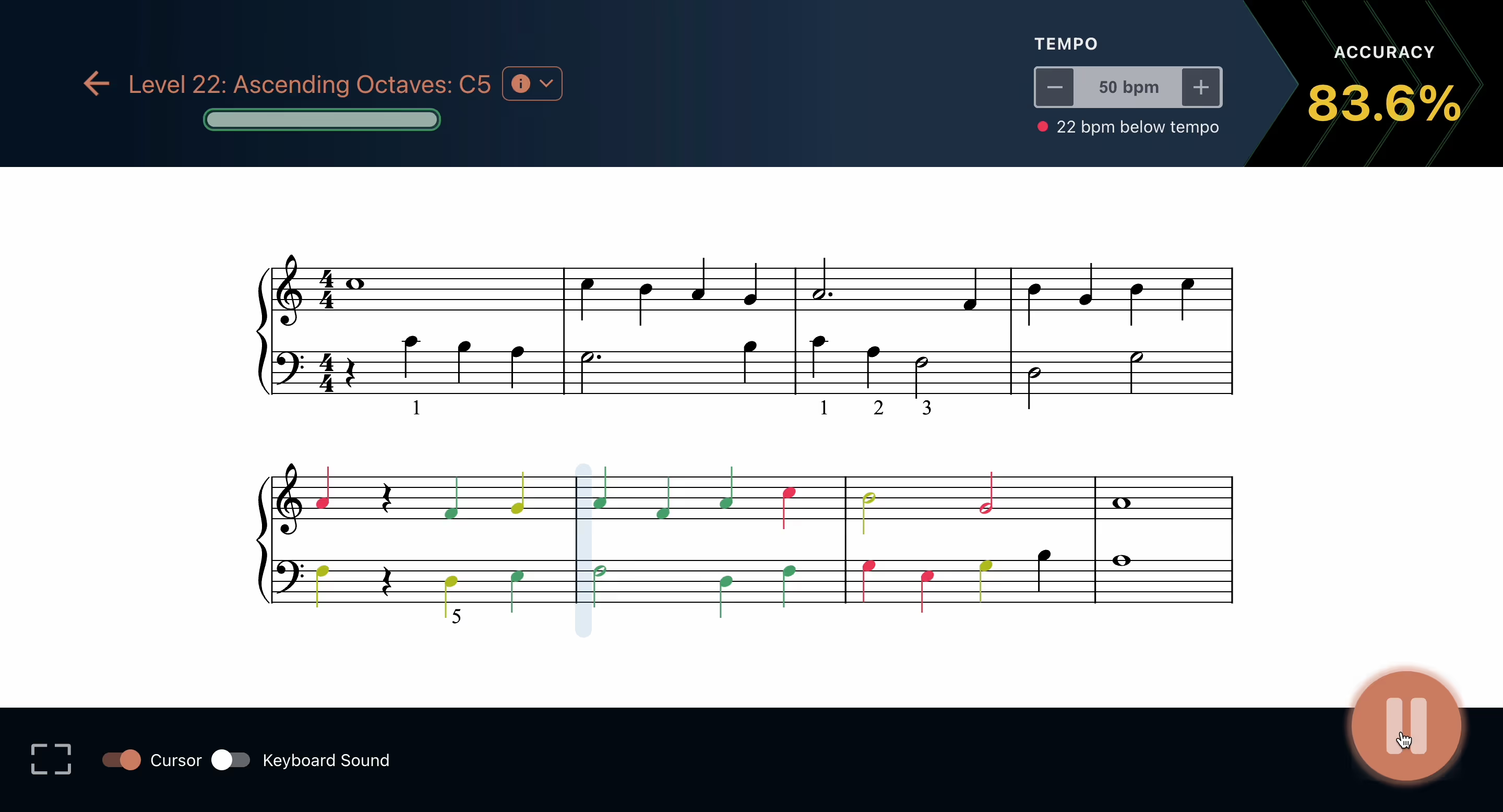
Sight reading is an essential building block to your musicianship as a pianist. But if learning this skill has ever felt hard for you, that’s totally normal! Traditional learning methods just haven’t been sufficient.
As opposed to traditional systems, MuseFlow:
No matter your age and skill level, you can learn to sight read. All you need are the right tools!
When you’re choosing a new instrument to learn, the choices can be daunting. There are literally thousands of instruments out there to choose from, but there’s nothing quite like the piano. That’s why we at MuseFlow offer a fun and effective way to learn this popular and enduring instrument. But what is it about the piano that makes it so important?
The piano is one of the most played instruments in the world. And a big part of that is its versatility across musical genres. The soothing classical music of Beethoven’s “Fur Elise.” The energetic jazz riffs of Duke Ellington’s “Take the ‘A’ Train.” The emotional modern pop bop of Chappell Roan’s “Pink Pony Club.” The piano is a core, foundational component of all of these musical genres, as well as many others (R&B, electronic, musical theater, film scores, Bossa Nova, and Tango to name a few). When you play each genre, you’re introduced to new tempos, melodies, and styles of play. The combinations and play styles are truly endless.
So when you’re learning the piano, you’re really opening yourself up to an entire world of music!
.avif)
Going along with its versatility, the piano is the perfect instrument for composers. That’s because you can play up to 12 notes at once, and it can act as a compression for entire orchestras, bands, and choirs. You can play the bass and rhythm with the left hand and melody and harmony with the right, with both hands operating at different registers, roles, and meters at the same time.
The piano is actually considered a percussion instrument that creates percussive, rhythmic, and immediate sounds when you press a key and the internal hammer strikes a string, or set of strings. But the sound created can also be a sustained pitch, which allows for lyrical, harmonic, and legato sounds. There’s no other instrument on Earth that can do all of this!
Before the invention of the piano, music composers needed access to entire ensembles to write songs. But since its invention, those ensembles have become available at composers’ fingertips. This makes composition more affordable and accessible. If you want to compose a song, all you need to begin is your piano!
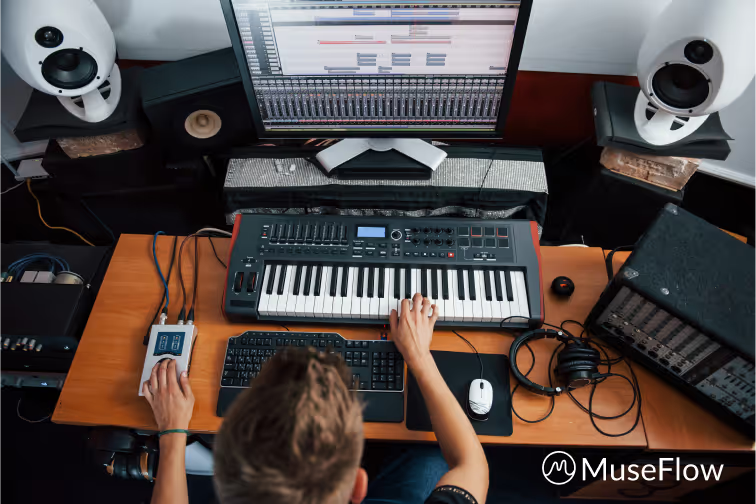
Learning the piano can be a fun way to challenge your brain. One study found that learning the piano can enhance your fine motor skills, since it’s an instrument that requires strong finger dexterity. The way your brain has to compute the sight reading and playing simultaneously can also activate two different parts of your brain at the same time.
It’s no surprise, then, that another study suggested that learning the piano can boost brain processing power. After just a few weeks of lessons, the participants’ ability to process multi-sensory information had improved. Amazingly enough, those participants also reported an enhanced mood, with less anxiety, stress, and depression!
So the next time you’re practicing the piano, you can know that you’re basically doing crunches with your brain.
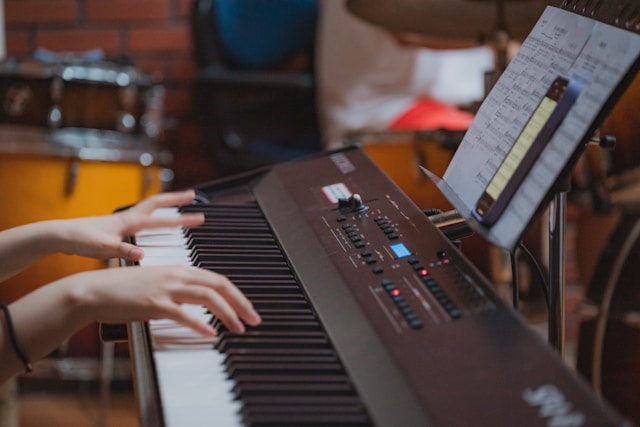
The piano is powerful. A somber chord in a movie soundtrack can bring us to tears. A springy tune at a wedding reception can send everyone, including that one uncle who never dances, running to the dance floor. A new song can stop us in our tracks. A recognizable melody can immediately pull us back to the first time we heard it. There’s an emotional resonance that we get from the piano that’s hard to put into words. But we know it when we feel it.
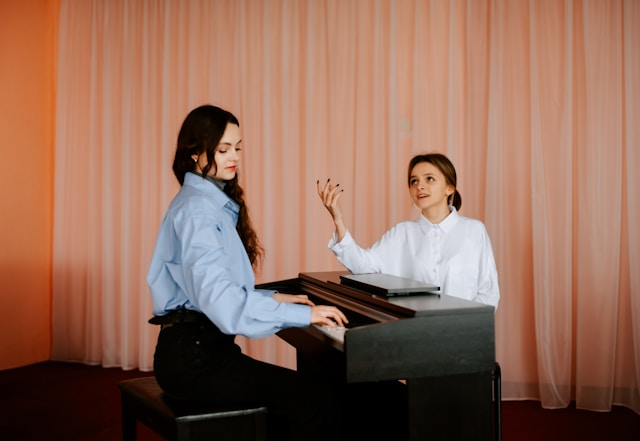
People have been playing this instrument since the 1700s. It’s been played for kings and queens. Its sound has filled massive stadiums of screaming fans as well as intimate living rooms with family and friends.
It’s an instrument unlike any other, able to stand in for just about any other instrument, even a full orchestra. You can play a limitless variety of music on those 88 keys. And since the piano doesn’t require size changes or “starter versions” like some other instruments, you can play a complex concerto on the same piano that you first learned “Ode to Joy” on.
The piano stands alone in its versatility, accessibility, and usefulness across musical genres. It’s a powerful and timeless instrument that has changed the worlds of music and composition forever. We’d say that makes it pretty darn important!

Keep up to date on our progress as we continue to add new features!