News
Engineering
Curriculum
The Best Yousician Alternative? Find out Why MuseFlow is Better!
August 1, 2024

When it comes to the digital music education space, finding the right app will make all the difference in your learning journey. Yousician is a well-known choice, but it might not be the perfect fit for everyone... If you’re searching for the best Yousician alternative, congrats, you have found it! Look no further than MuseFlow. Keep reading to find out why MuseFlow stands out as the best Yousician competitor and also how it will enhance your unique piano learning experience.
Start using MuseFlow today - It's free!
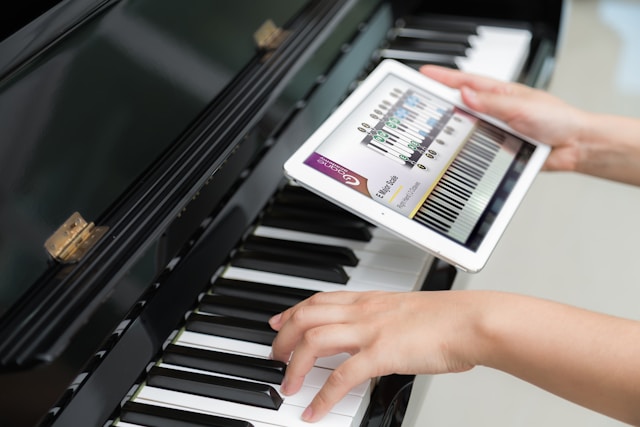
MuseFlow flips the traditional model by making sight reading the core skill... not an afterthought. This approach builds versatile, fluent musicians who can confidently approach any piece of music, not just the few they’ve memorized. Unlike apps that focus on rote repetition or mimicry, MuseFlow trains your brain to understand music in real time, note by note, phrase by phrase.
Why does that matter? Studies show that sight reading correlates strongly with overall musicianship, including better pitch accuracy, rhythmic stability, and musical expression. According to a study published by the International Journal of Music Education, students with strong sight reading skills tend to perform better in all aspects of music learning.
When sight reading is at the heart of the learning process, students engage with a much larger variety of material—boosting fluency, flexibility, and long-term motivation. As noted in this article published on educause.edu, exposure to diverse material and adaptive practice leads to stronger retention and more meaningful learning outcomes.
By mastering sight reading, you’re not just learning songs—you’re learning the language of music.

Wouldn't you love a real-time feedback mechanism? Like a professional expert looking at what you do and nicely giving you advice? Well it's now possible! As you play, the app listens to your performance and then provides instant corrections on notes, timing, and technique, much like a personal tutor! You could even say better than a personal tutor, because it stays friendly and is always available.
Why it matters? Real-time feedback is super critical to correct mistakes right as they happen. This prevents the formation of bad habits and makes sure that you develop the perfect playing techniques. It will save you time in the long run. This feature is especially LOVED by beginners, because they need constant guidance to progress effectively. This immediate feedback is something that sets MuseFlow apart from many Yousician competitors!
It's the best piano teaching app because it turns learning into an amazing game that you will love playing. This is done through its engaging gamification features. While Yousician offers some vague gamification elements, MuseFlow takes it a lot further. Just look at the pictures below and see. The app makes it a lot more rewarding to practice your skill and provides you with positive reinforcement.
Why it matters? A lot of apps abuse it, but in the correct use-case gamification keeps you motivated & makes learning more enjoyable! The sense of accomplishment from learning a new skill and completing levels boosts your confidence and encourages you to maintain a consistent practice routine. This gamified approach will help you stay committed to your learning journey.
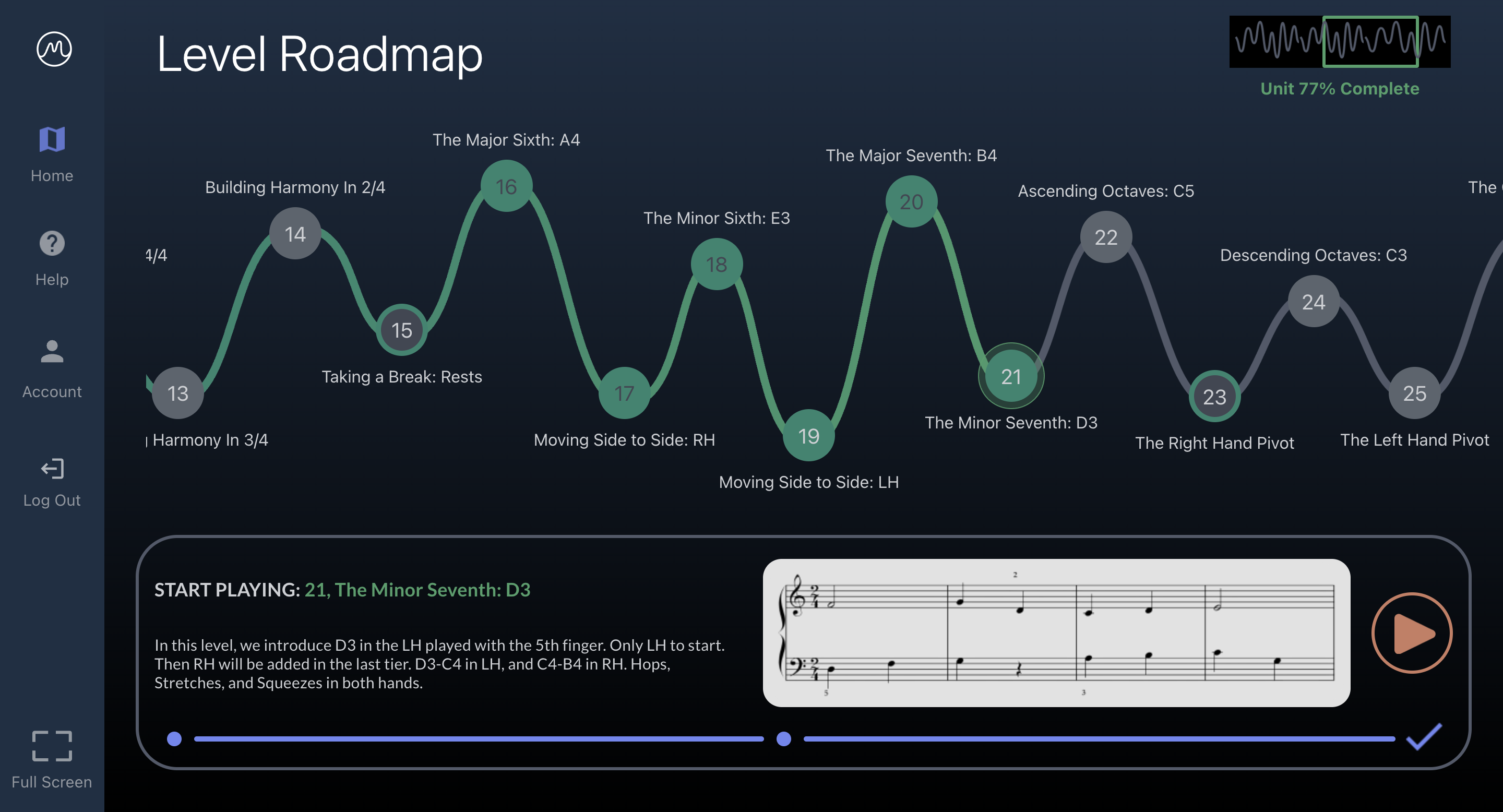
When people look for appl like yousician, MuseFlow always comes up! It offers an all-encompassing learning program that covers all aspects of piano education. From basic techniques to advanced music theory. The app’s extensive curriculum helps you become a more versatile & confident pianist.
Why it matters? A comprehensive educational framework provides a solid foundation for your musical journey! Whether you’re a rookie that just wants to start piano or a pro looking to refine your skills...this innovative new app's thorough curriculum really makes sure that you have access to all the resources you need to succeed!
This is really important for the success of any edtech app. It was developed by professional musicians and educators who deeply understand the challenges of learning piano. They have been through every challenge of learning the instrument. Some of the founders even started as self-taught pianists themselves. This gives them a unique and accurate perspective on the needs and wants of learners like yourself.
Why it matters? You want to learn from people who have done it themselves. They know all your pain points. Learning from this similar app to yousician is designed by experts means you’re getting high-quality instruction. The founders have pride in teaching you to play the piano in the best way possible. It really makes it fun! Additionally with the free trial, it makes it a free alternative.
When trying to find the best Yousician competitor, MuseFlow stands out as the #1. They are loved by their customers and known for their sight reading adaptive learning experience, real-time feedback, unique gamified approach, and expert design. These features make MuseFlow the best choice for ANYONE serious about learning piano.
Join thousands of happy learners who have discovered the benefits of MuseFlow -- see how the app will transform your piano learning journey. We promise you will have fun with this style of learning and also keep staying motivated! This alternative to yousician is the newest and most innovative way to learn and actually ENJOY the learning process.

Do you have a MIDI compatible keyboard at home or in a studio and you want to learn to play the piano with it? MuseFlow has your back, and answers this question with a big “come on in everyone! Every type of keyboard is welcome!” Let’s first discuss the differences and similarities between a MIDI keyboard and a piano. Then we’ll dive into what MuseFlow is and why it’s the best platform for you to learn how to play your MIDI keyboard.

Interested in MuseFlow? Try it for free for 7 days!
We’ll keep this short. A MIDI keyboard is a keyboard that sends musical information through its digital interface to your computer or laptop (See MIDI - Musical Instrument Digital Interface. Music can be broken down into rhythm, pitch, velocity, volume, sustain, and a bunch of other information categories. When you play a note, the information associated with that note and how you played it gets converted into ones and zeroes and is sent to your computer or laptop via your MIDI device. It’s the most reliable way to make sure the information of what you’re playing gets to your laptop or computer exactly the way you played it.
Usually a MIDI keyboard is hooked up to your computer via a USB cable or through Bluetooth. See MuseFlow’s FAQ “Where can I buy a ‘plug and play’ MIDI keyboard and cable, and which one is right for me?” for more information on MIDI keyboards and the cables we recommend.
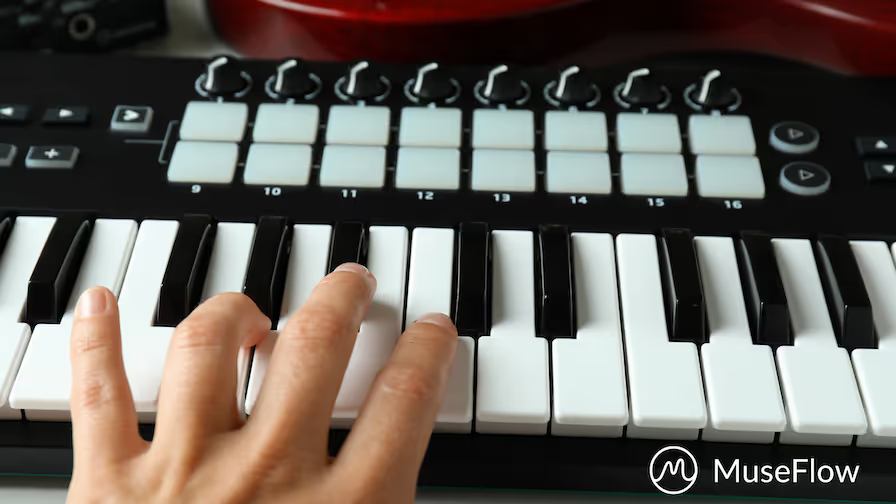
A piano, on the other hand, is an acoustic instrument that doesn’t require electricity to play. It has hammers attached to the keys on a keyboard, which hit strings of certain lengths that ring out to create sounds at certain pitches. When you press down on a key, those strings for that pitch ring out. The vibration of those strings create the sound waves you hear!
The keyboard on a piano is laid out the same as a MIDI keyboard, and the pitches are the same. It’s just that a MIDI keyboard is a digital version of a piano, and relies on electricity to run. A piano is an analog version of the MIDI keyboard, which is solely a digital instrument.

MuseFlow is a piano education application that teaches you how to play the MIDI keyboard through sight reading (the act of reading music at first sight).

For the best connection possible, you’ll want a MIDI keyboard connected to your laptop or tablet. That is the most reliable form of connecting any MIDI keyboard to MuseFlow. It will know if you held the note long enough, played the note correctly, or missed it all together. It can even tell if you grazed a wrong note just slightly!
With the precision offered by MIDI keyboards and MuseFlow's ability to connect to them, it stands as the #1 piano learning app for this reason alone! Not to mention the fun you’ll have with its gamified approach to learning music. Each level is a new skill you need to learn (a new note, or new rhythm). And once you play four phrases of music in a row at or above 95% accuracy, you are moved onto the next level.

If your goal is to learn how to play the MIDI keyboard, MuseFlow is the best piano learning app out there to get you to where you want to be. With the level of accuracy and accountability a MIDI keyboard offers you in your learning journey, it is the #1 tool you can use to better yourself and improve your piano skills with MuseFlow.
Try MuseFlow today! Sign up for your 14-day free trial and learn how to play your MIDI keyboard with ease.
Some people might be skeptical if they could teach themselves how to play piano with AI. MuseFlow makes it easy for you by having artificial intelligence and machine learning serve the process of learning in two unique ways - music generation AI, and pattern recognition machine learning. It does the work for you to make learning a lot more fun, effective, and efficient. It does this by incorporating AI into the core of its pedagogy. The folks over at MuseFlow are making efforts to improve their algorithms every single day. Let’s take a deeper dive into this, and how artificial intelligence and machine learning are improving the way we learn piano.
Try MuseFlow today. It's free for 7 days!
There are few music apps out there that have generative AI imbedded within them. MuseFlow’s approach to learning involves giving you music you’ve never seen before, that never repeats, and is at your level of skill. You can choose from a myriad of levels on the level roadmap. Unit one starts with just one note, three rhythms, and two hands, and ends with two octaves (14 notes), four rhythms, and two hands. But how does MuseFlow give you music that never repeats? Surely that would be impossible with the amount of music that would need to be written!
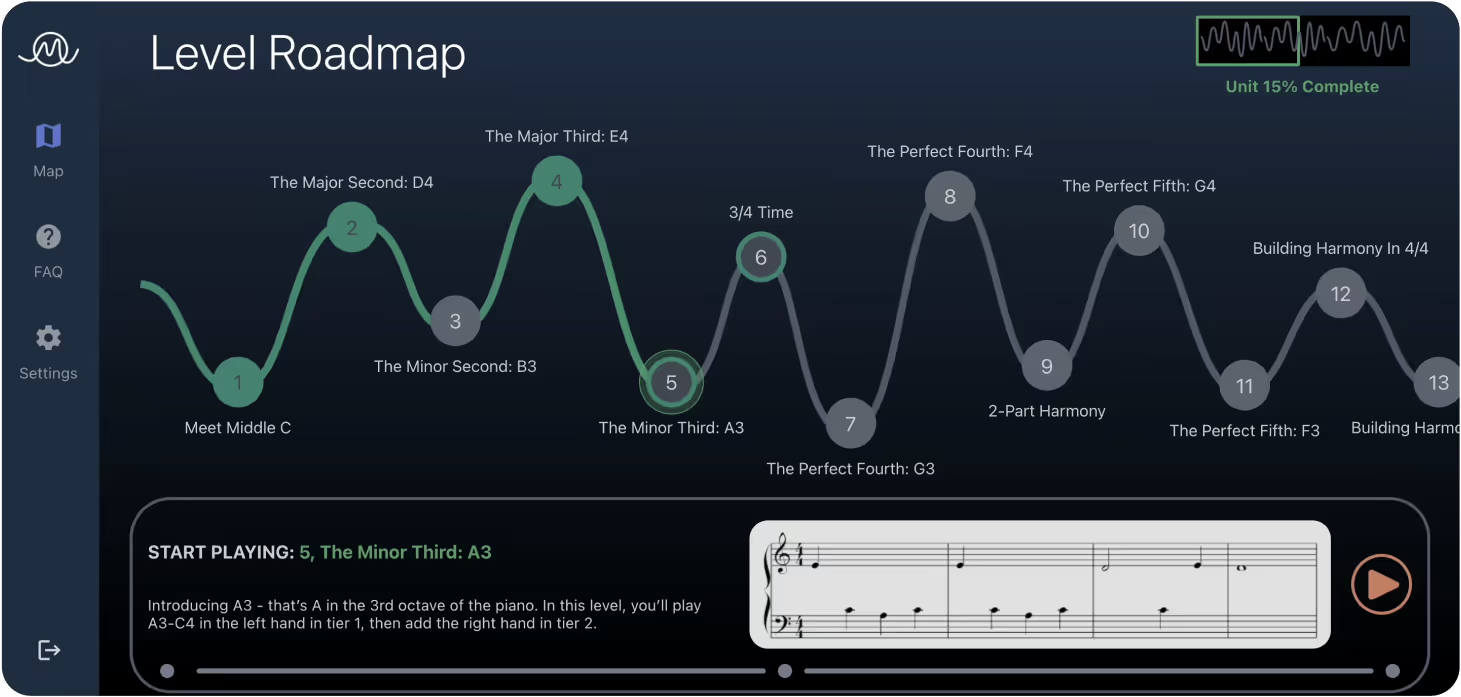
The team over at MuseFlow is constantly improving its music generation artificial intelligence algorithm so that it gives you the best quality sheet music as a constant stream until you pass the level. By using generative AI for sheet music, MuseFlow’s team sets the parameters for each level, then unleashes the artificial intelligence to start generating music for you to play!
MuseFlow’s team is constantly training the AI with what they call, “Phrase Tinder”. If a phrase of music passes the rigorous tests of it sounding good enough to play and is exercising the new skill of a certain level, they swipe right. If a phrase is not good enough to play or isn’t useful, they swipe left. This method of training allows the computer to understand what is good and what is bad so it can create new and original pieces that fit within the guidelines of the curriculum, and are fun to play!
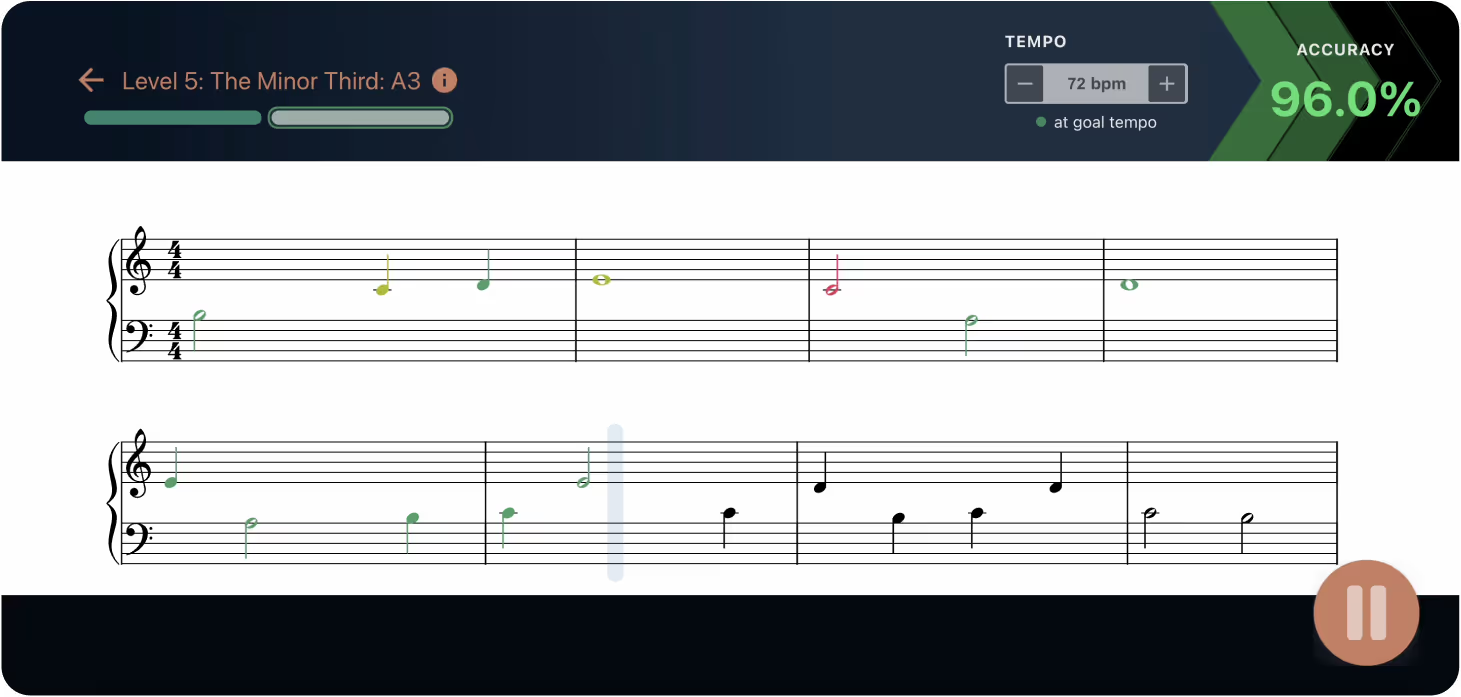
As you play, MuseFlow can see what you’re playing in relation to the music that’s on the screen. If you’re consistently messing up a note or rhythm, or even a series of notes or series of rhythms, it will gently give you more phrases of music that have those patterns in them. It can even recognize the intersection of rhythms and notes! It does this all in the background so your flow isn’t interrupted. You as the student wont even know it’s going on.
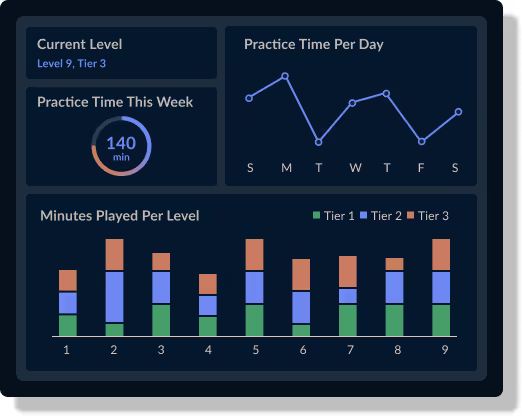
This teaching method enables MuseFlow to monitor each micro-skill you learn, such as individual notes and rhythms, along with their various combinations. MuseFlow adjusts the music and increases exposure if it detects that your proficiency in any specific micro-skill is lower than the others. Once you effortlessly and unconsciously bring that micro-skill up to standard with the rest, MuseFlow reduces its exposure back down to parity with the other micro-skills it is tracking.
Unlike traditional music education environments and methods, the folks at MuseFlow, Inc. are committed to creating a safe, reliable space for you to learn and grow without the outside pressures of anyone looking over your shoulder. As students, we need to feel like we can fail without any judgment. MuseFlow inspires you to learn, motivates you to learn, all with artificial intelligence and machine learning as assistants in the background, listening and adjusting the sheet music to suit your needs without any judgement. MuseFlow answers the question “can I teach myself how to play piano with AI” with an emphatic YES! With its pattern recognition algorithms and music generation, MuseFlow’s AI is set to revolutionize music education for the better, and become the forerunner in the industry as the best new way to learn piano.
Let’s explore what it means to find the joy in learning a new instrument, and ask ourselves is there a fun way to learn piano? We’ll talk about what it looks like to have fun while you learn an instrument, and explore some options to enhance the process for any student.
If you’re interested in trying out our piano education app for yourself, please visit beta.museflow.ai and try MuseFlow for free! Otherwise, continue reading to find out what it’s all about.

Flow state is a radical idea coined by the Sociologist and Author Mihaly Csikszentmihalyi. It’s that groove you get into where you're doing a task and you lose track of time. The task is usually just a bit of a challenge, but not too challenging that you feel overwhelmed by the task; just hard enough to keep you moving forward and easy enough to know you’re doing well. A lot of professional athletes and musicians find flow in their work, but we at MuseFlow believe we can also tap into it during the learning process. Even for beginners!

Gamification is the application of game-like elements to anything from teaching and learning, to motivating yourself to to the dishes. The old world way of adding game-like elements to an activity involves points and score cards, badges and stars. At MuseFlow, we’ve changed it up a bit by making the entire activity of learning how to play piano a game; not with superficial stars and badges, but by making each new rhythm and note you learn a level that you need to pass.
Once you’ve completed 4 phrases at 95% accuracy at the goal tempo of the level, you pass that level! And are moved onto the next.
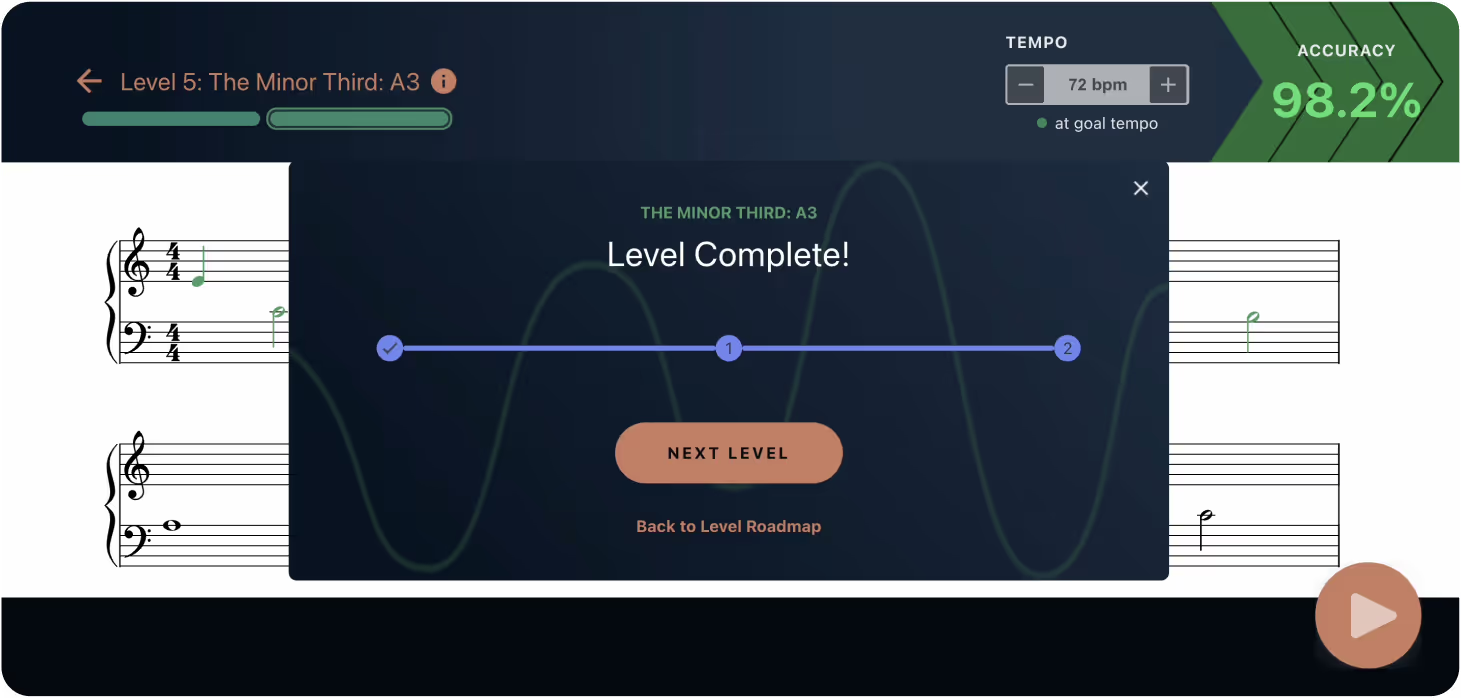
This creates an entirely new and fun way to learn piano; not with superficial badges and stars, but by having gamification at the core of the entire method.
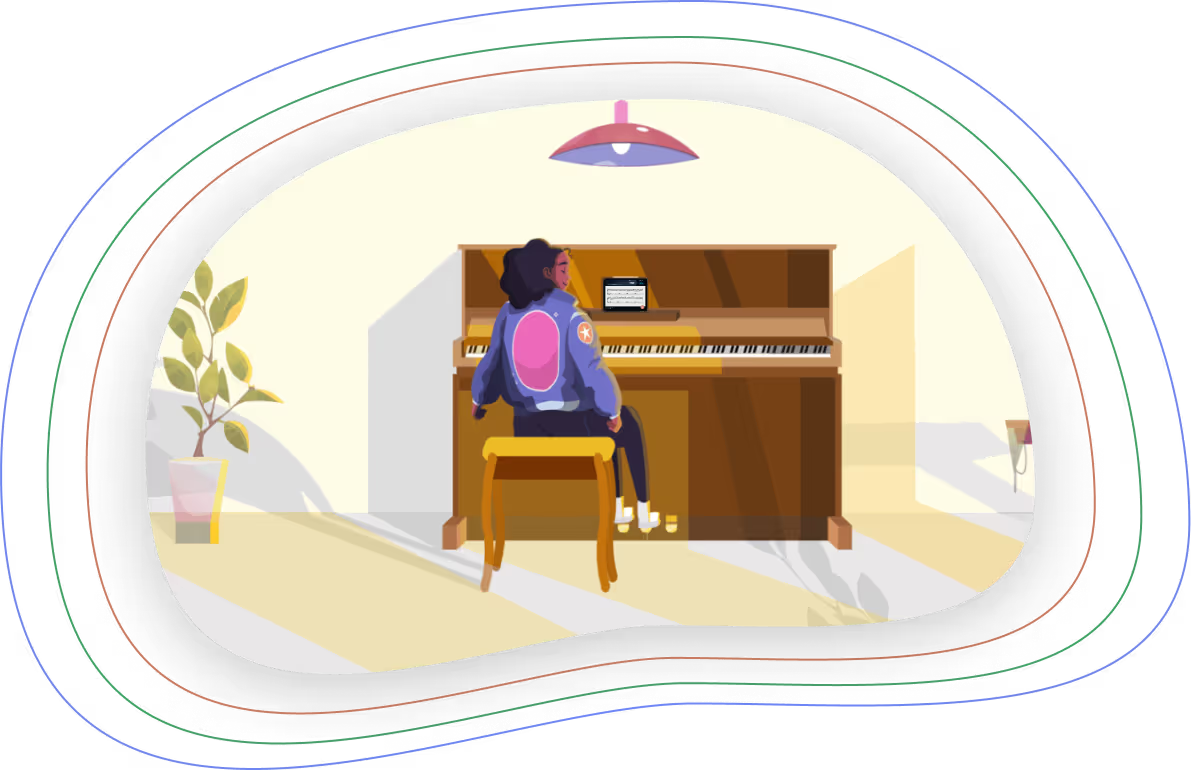
Not a lot of people think about this, but design is incredibly important in making the learning process a success. A stark, boring, bright environment, we’ve found, is not the optimal setting to learn music. Because of that, we’ve made our interface beautiful.
We care deeply about the experience our users go through while exploring and learning with MuseFlow. Thus, we’ve made it a tenant of ours to make everything in MuseFlow as beautiful as possible.
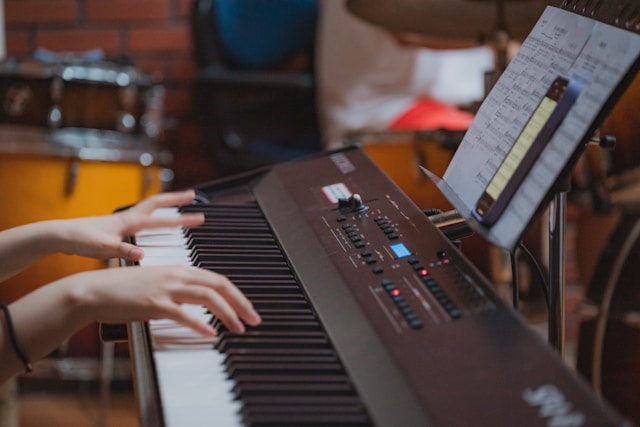
Sight reading is the act of reading music at first sight. There are two thresholds in music education - one is what you can play without any practice, the other is what you can play with an indefinite amount of practice. We call the first one the “floor” of your ability, and the second one the “ceiling” of your ability.
Too many teachers and music education methods focus on the ceiling of a student's ability. We at MuseFlow, instead, think a more fun way to learn piano is by focusing on the floor of a student's ability during lessons. Increasing a student's sight reading skill gets them to perfecting the musicality of songs (the fun part of playing songs) faster, instead of spending hours and hours on the technique of simply being able to play the song. That gets boring quickly. It gets frustrating, and students drop out of music lessons because of it.
About 50% of music students drop out of music activities by the time they turn 17. We aim to make that number much smaller.
There hasn’t ever been a way to generate an infinite amount of music at your level of playing until now. We at MuseFlow have invented a way to give you music you’ve never seen before, that never repeats, and is at your level. The music continues to generate until you get 4 phrases of music at 95% accuracy. At that point, you’ve successfully mastered that new skill!
Sight reading is the key here. We’re teaching through sight reading, instead of teaching through songs. After you’ve mastered that new skill through sight reading, you then can apply that skill to songs that get unlocked in your repertoire section inside of MuseFlow.
These are the reasons why MuseFlow is quickly becoming the most fun way to learn piano. Its inventive way of blending sight reading, flow state, gamification, and immersive design allows students to find the joy of learning an instrument better than ever before. With our new approach to music education, we can revolutionize the music education industry for the better.
Try it out for free at beta.museflow.ai. We can’t wait to hear your feedback as we make music education available and engaging to all students!
Is your music practice building true fluency, or is it just training muscle memory?
When we think about how to get better at a musical instrument — or any skill-based activity — the natural strategy that comes to mind is repetition. Repeat, repeat, repeat, until you’ve finally mastered it.
This is the tried-and-true method, and is absolutely correct. As a matter of fact, that’s the whole definition of practice — “performing an activity repeatedly or regularly in order to improve or maintain one’s proficiency.”
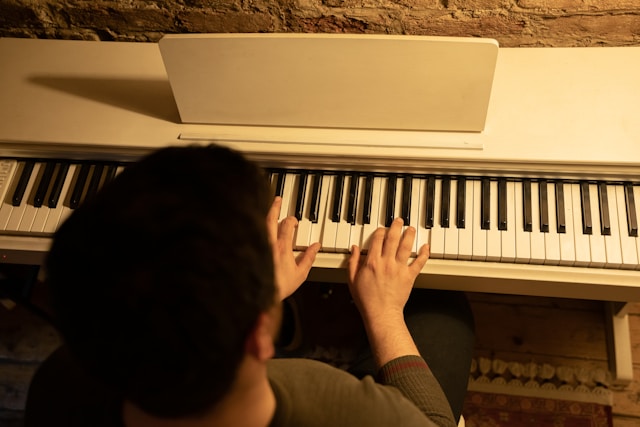
But we need to be careful with how we approach our practice sessions. If you spend all of your time practicing specific pieces, you will eventually master those songs but you won’t necessarily have gotten better at playing music in general. Effectively, all you’ve done is train yourself to regurgitate an exact sequence of notes, without any variation. An impressive feat, to be sure, but it hasn’t increased your musical fluency at all.
Learning a musical instrument of course requires maintenance and repetition, but we have to be careful that we don’t practice old things so much that we forget to work on new things. If you only ever practice the same things, you never really grow or improve. It would be like attempting to become fluent in English by memorizing a Shakespeare monologue, and nothing else.
Brad Harrison, a composer and educator who runs an excellent music education YouTube channel, insightfully describes the difference between practice and learning. Practice is trying to get better at things you already basically know how to do. By contrast, learning is the acquisition of new knowledge or skills, and the process of becoming familiar with new material. For example, playing through a piece of music for the first time would fall under “learning,” but each repetition after that would fall under “practice.” Both steps are important, but they are focused on very different goals. Regardless of where you are in your music learning journey, it’s essential that you maintain a healthy balance between practice time and learning time.
By making a habit of learning new things, you’ll develop the meta-skill of learning how to learn. This will make you a better musician and will even help you play old repertoire better. You’ll realize that every new challenge is just a puzzle to be unlocked and understood, and you’ll have the confidence to tackle that puzzle.
If you only play the same songs over and over again, you won’t grow or improve. You’ll either get bored and quit, or you’ll get stuck when confronted with a new challenge because you only know how to do what you already know how to do. Even when you do finally master a new song, the satisfaction of learning it will eventually fade away and you’ll feel stuck again. True musical fluency is the ability to quickly learn and master whatever you want, without needing to practice it for weeks or months on end.
This brings me to an idea that I’ve been formulating over the past several years of working with music students. I think that the way we normally think about the concept of one’s skill level in a certain field needs to be expanded.
Imagine that a person’s skill level can be visualized as a vertical range, with a floor and a ceiling. The ceiling represents the level of music that a person could play well, given an indefinite (but not infinite) amount of time to practice. This could be represented by the hardest piece you’ve ever performed at a recital or competition, for example.
Alternatively, the floor represents the level of music a person could play well (not necessarily perfect, but certainly passable) on the first time they ever see it. This activity is what we call sight reading — reading on sight without any prior preparation. This could be represented by the average piece that you could find sheet music for and play today, without much practice.

Any piece of music that’s below the floor of your skill level is well within your ability to play without any practice. Any piece of music that falls somewhere between your floor and your ceiling can be reasonably mastered through dedicated practice — the closer it is to your ceiling, the longer it will take. The amount of time it would take to learn a piece in this range roughly equates to the amount of time it would take to work your way from the floor up to the difficulty level of the piece in question.
Most people spend the majority of their practice time endeavoring to raise their ceiling, tackling ever harder and harder songs that take them weeks, months, or even years to learn properly. This seems like a fine endeavor, at first glance. Ideally, by raising the ceiling of one’s ability, the floor would also rise by the same amount.
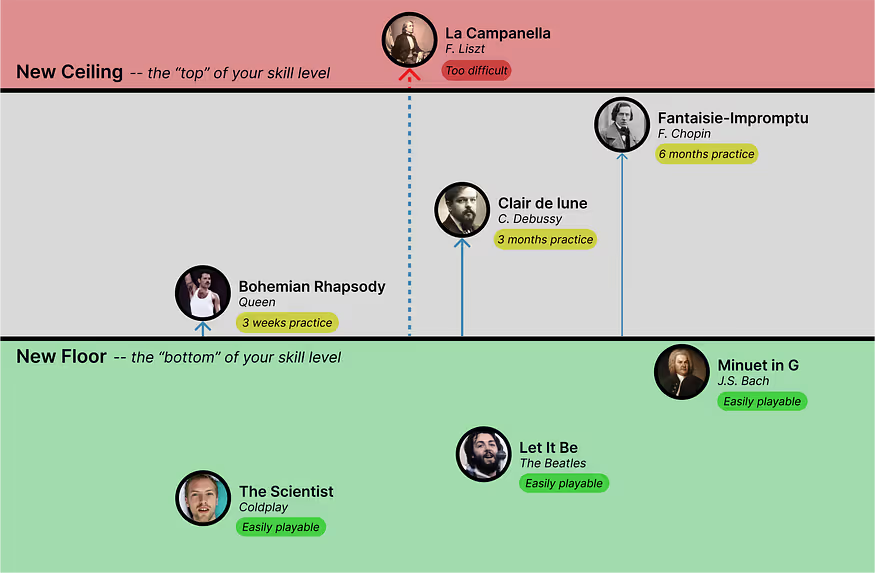
Unfortunately, this isn’t what actually happens. A person’s “floor level” is much more difficult to raise than their “ceiling level”, and it doesn’t happen automatically just by practicing more ceiling-level material. As a result, most music students don’t spend nearly enough time working on raising their floor.
The result is that a person’s ceiling moves up at a much faster rate than their floor, creating a wider and wider gap between them. This means that as they start working on more challenging material, each new song they attempt to learn will take longer and longer to master. This happens to everyone — it’s perfectly natural!

Pretty soon, practice sessions have transformed from a fun learning opportunity into a constant source of frustration and stress that takes up all of their time. Students very quickly find themselves too far outside their comfort zone, without the necessary skills to learn increasingly advanced material in a natural, stress-free way.
This is because a musician’s floor level is actually a far more accurate barometer of overall musical competency than mastery of a song that has been meticulously practiced over and over again for months. In other words, a person’s floor level represents their degree of true musical fluency.

Music lessons often focus on the ceiling of someone’s playing ability, but all professional standards for working musicians place much greater emphasis on a minimum floor threshold of musicianship. It doesn’t matter how good you are after weeks or months of practice — it matters how good you are right now, at a moment’s notice.
So it’s important that you take some time to work on pushing your floor up, even though it might seem like the musical material you’re practicing is dropping way down in complexity as a result. It doesn’t mean you’ve gotten worse, it just means that you’re focusing on a part of your musicianship that you don’t normally focus on!
So how does one actually raise the floor of their skill level then? Here are some specific areas of focus that are most helpful in improving overall musical fluency.
These five areas are what I call the fundamental “food groups” of musicianship. I’ll be going into more depth about each of these in future posts.
Building a well-rounded practice routine is important, and methods with which to do so are well-documented. That being said, it is much harder to be intentional about raising one’s floor level than you might expect.
At MuseFlow, we’re building solutions to this very problem. The app guides users through a continuous sequence of sight reading exercises, increasing complexity by one skill at a time. By constantly playing new material that they’ve never seen before, MuseFlow users have a unique opportunity to hone their ability to read and play music fluently.
In this way, our curriculum ensures a balanced approach between practice and learning. It guides you through a variety of musical challenges, preventing you from getting stuck repeating the same pieces over and over again. This diversity cultivates a well-rounded skill set, and raises the overall floor of your musical ability.
While our main focus is currently on sight reading training, we have lots of exciting new features coming later this year, including technique, music theory, and ear training exercises, as well as a repertoire library and practice assistant. Stay tuned for more updates about all that and more, coming soon!
If you’re looking for a practice tool to help you improve your musical skills, and haven’t been able to find a system that truly delivers the results you’re looking for, consider trying out MuseFlow. Just head on over to https://museflow.ai to sign up for our web app and start your 2-week free trial today.
It’s time to break free from the frustrations of repetitive practice and finally achieve the level of musical fluency you’ve been striving for. Happy playing!

Have you ever felt frustrated or bored while learning to play an instrument? This usually happens because students don’t always feel like they’re in flow state when practicing and learning - that mental zone where time seems to vanish and you become utterly absorbed in the activity. Learning to play an instrument isn’t just about mindless practice; it’s a complete brain workout! Sometimes, the mental gymnastics required to master an instrument can be challenging, pushing students to their limits.
Today, let’s delve into the fascinating world of flow state. We’ll discover how it’s reshaping the way students approach learning an instrument, and why it’s vital for nurturing young musicians who often find the journey too difficult or anxiety-ridden.
Mihaly Csikszentmihalyi’s groundbreaking work in his book Flow: The Psychology of Optimal Experience uncovered the concept of flow state. While it’s often associated with professional musicians and athletes, it can be a game-changer for budding musicians too.
Getting into flow state during music education is like unlocking a secret door to peak performance and enhanced learning. It is a state of complete concentration, where the outside world fades away and the music becomes the sole focus. It’s an optimal mental state where creativity and skill meld seamlessly, leading to a truly immersive musical experience. Flow typically occurs when the challenge of a task matches a student’s skill level. When the challenge is too low, a student might feel bored, and when it’s too high, they may become anxious.
In the world of music, entering flow state often involves selecting pieces of music that are just challenging enough to stretch a student’s ability, but not so difficult that they become frustrated. This is a lot harder than you might think, given the many variables of musical complexity within a single piece of music.
Traditional early music education isn’t all sunshine and harmonies. In fact, dropout rates among young music students are alarmingly high (~50% before they reach the age of 17). The typical grind of discipline and hard work can turn the sweet symphony of learning into a sour note.
So, how do we keep students engaged and passionate about music? The answer lies in integrating flow state into the early stages of learning an instrument. Positive feedback is also crucial. When students feel tangible progress in their education, they’re more likely to enter flow state. And when they receive praise for their efforts (not their achievements), they’re more likely to create positive feedback loops of internal motivation. This combination makes learning something new deeply engaging and gratifying.
One of the most effective ways of reaching flow state while learning an instrument is through sight reading. Sight reading is the act of reading and playing music at first sight. Sight reading pushes students to train their reading and playing skills without relying on muscle memorization, which often becomes a crutch when practicing a single song repeatedly. If the challenge is in the “Goldilocks zone” of their skill level (not too hard, not too easy), then flow state is engaged.
Sight reading, if personalized to a student’s skill level, allows them to drop into flow, immersing them in the process of learning.

Enter MuseFlow, a web app set to transform how students learn piano, especially in the early stages. Instead of assigning one piece of music which exercises many skills all at once - thus making it hard to isolate practice on a specific technique - MuseFlow guides students through new rhythms and notes in isolation first, then embeds that new skill into the rest of their musical knowledge later on, all while immersing them in a constant stream of new music!!
In the first level.. students learn how music is written, basic rhythms, their first note, and how that one note is played in both hands. Then, they simply start playing. The metronome sets the pace, a guiding cursor shows the next note, and they play each note on the spot while sight reading.
Rather than playing a passage of music, stopping, then repeating that same piece of music over and over again until it’s perfect, MuseFlow pushes students to keep playing no matter what. Getting stuck on previous mistakes is one of the most common ways for students to get knocked out of flow state and lose motivation. In MuseFlow, new music will continue to appear and help them hone their skills in ever-changing contexts, instead of stopping the flow to go back and repeat music they’ve already played.
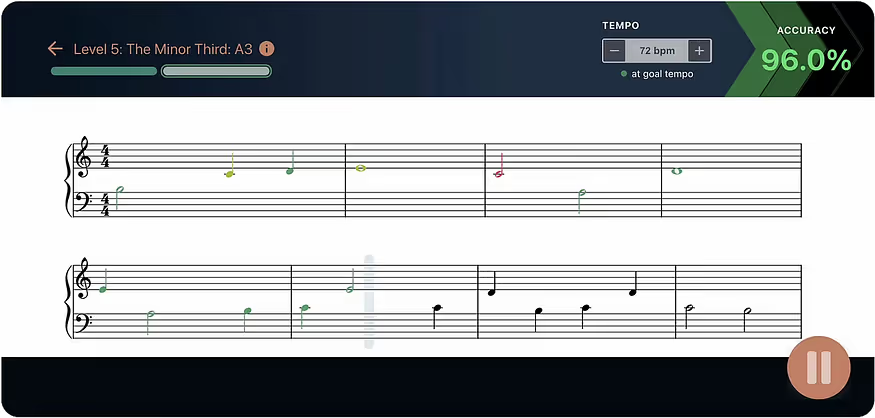
This is the heart of flow state - that groove that students find themselves in, where time seems to fade away and the joy of learning takes center stage. It becomes just about passing each level, mastering each small new concept, one by one. They start to recognize those aha moments: “Oh my gosh, I’m getting it! I’m really getting it!” When they eventually pass the level, they experience a rush of dopamine and feel a sense of achievement that propels them forward on their musical journey.
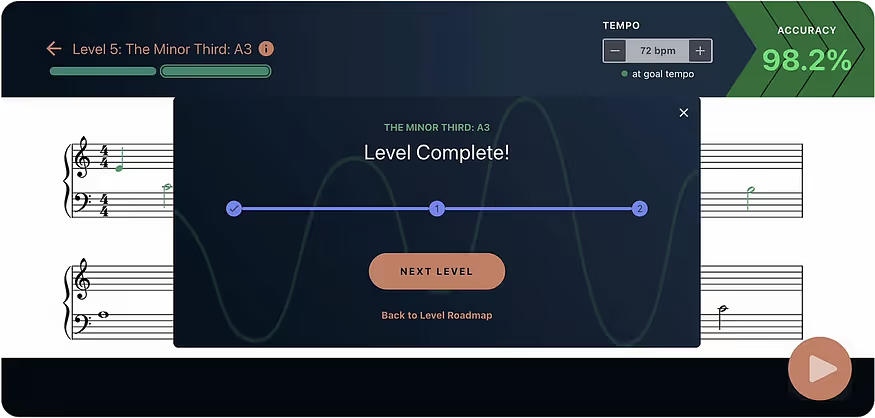
Csikszentmihalyi’s research reveals that being in a state of flow can turbocharge the learning process. It’s not only about making learning more enjoyable — it also boosts information retention. By weaving flow state into MuseFlow, we’re tackling the dropout crisis head-on. When students are deeply engaged in the process of learning an instrument, it boosts their motivation, achievement, and enjoyment of learning.
Curious about what MuseFlow has to offer? Visit www.museflow.ai to find out more. If you have a MIDI keyboard and a computer, try out the beta version at www.beta.museflow.ai. We can’t wait to hear what you think and set out on this musical journey with you!

Keep up to date on our progress as we continue to add new features!