AI
Technology
Engineering
Curriculum
What is the Future of Piano Education? AI and Gamification
July 5, 2026

For much of its history, piano education has followed a familiar structure: weekly lessons, fixed curricula, and long periods of unguided practice. While this model has produced accomplished musicians, it has also created barriers for many learners—slow progress, inconsistent motivation, and limited access to high-quality instruction. Today, advances in artificial intelligence (AI), data science, and learning design are reshaping how people approach piano study, opening new possibilities for more adaptive and engaging education.
Rather than replacing traditional teaching, modern technology is changing how learning happens between lessons and how practice time is used.
One of the most meaningful shifts in piano learning is personalization. AI-enabled learning systems can analyze a student’s playing in real time and adjust difficulty, pacing, and content accordingly. This allows learners to work at an appropriate level of challenge rather than following a rigid, pre-set sequence.
Key benefits of adaptive systems include:
Educational research consistently shows that timely feedback and appropriately matched challenges accelerate skill acquisition, particularly in complex motor tasks like playing an instrument.

Learning piano is not only a technical process—it is also a motivational one. Many learners abandon lessons not because of lack of ability, but because practice feels unrewarding or disconnected from progress.
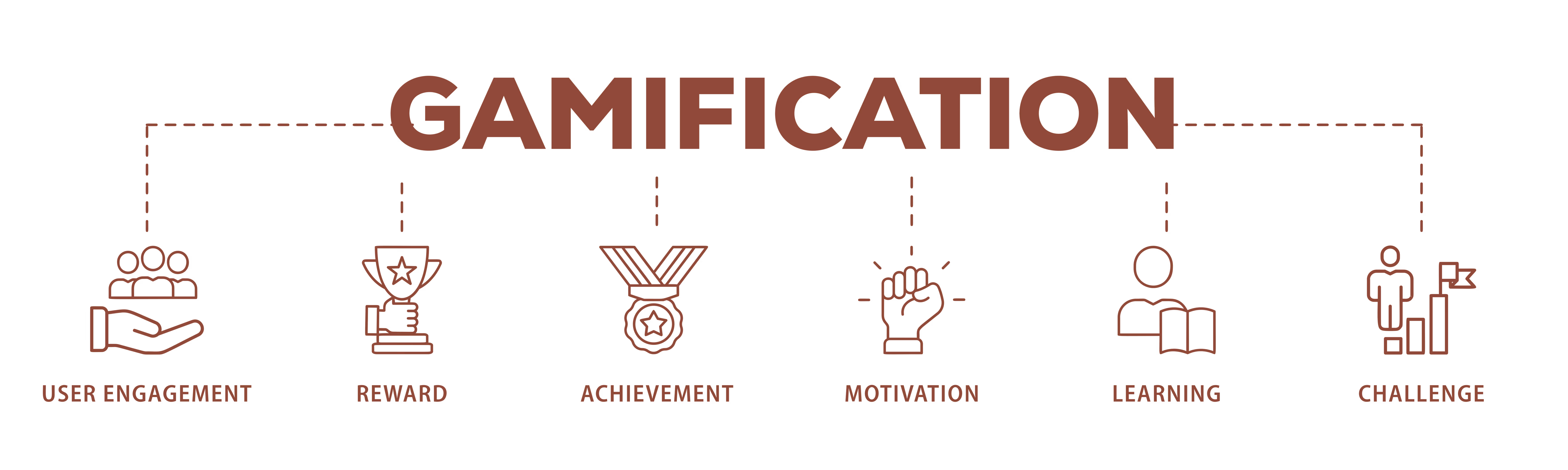
This is where gamification plays an important role. Gamification applies structured challenges, progress tracking, and clear goals to learning environments. When used thoughtfully, it helps learners maintain consistency and focus over long periods.
Effective gamified learning systems emphasize:
Rather than trivializing music education, well-designed gamification supports the cognitive conditions needed for deep learning.
AI in piano education does not mean automation for its own sake. At its best, technology supports learners in areas where consistency and precision matter most. Tasks such as monitoring timing, pitch accuracy, and repetition benefit from software that can respond instantly and patiently.
Modern piano learning platforms—including systems like MuseFlow—use these capabilities to support structured practice outside of lessons. This allows students to arrive better prepared and more confident, having already addressed technical fundamentals during independent practice.
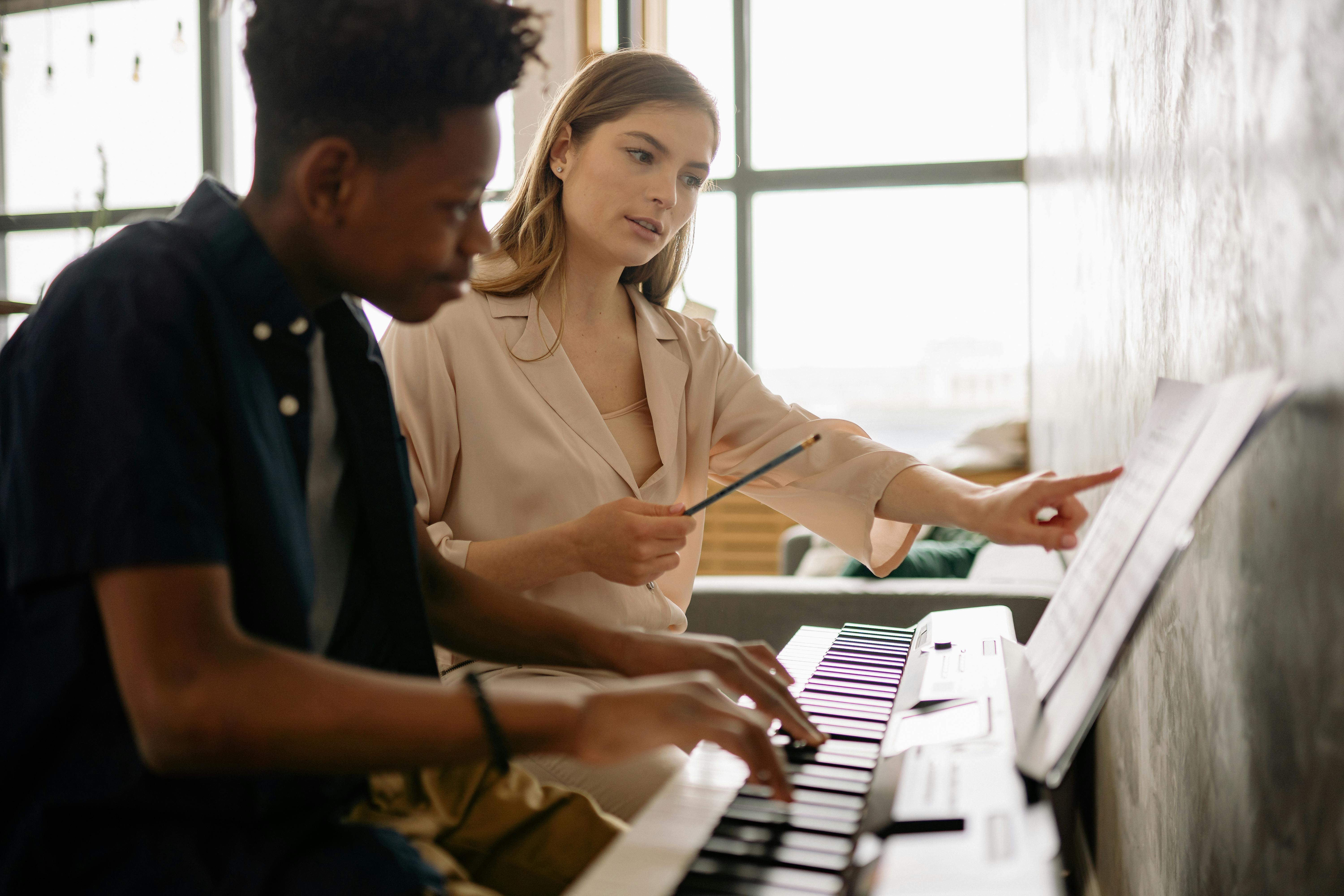
A common misconception is that AI-driven learning tools aim to replace teachers. In practice, the opposite is true. When technology handles repetitive technical feedback, teachers can focus on higher-level musical skills that require human insight.
Human instructors excel at:
The most effective learning environments combine intelligent practice tools with experienced educators who help students develop musical identity and expression.
Technology is also reducing long-standing barriers to music education. High costs, inflexible schedules, and geographic limitations have historically restricted access to piano instruction. Digital tools make it possible for more learners to practice consistently, regardless of location or background.
This broader access does not dilute musical standards; instead, it allows more students to build solid foundations before pursuing advanced study, whether independently or with a teacher.
Learners navigating today’s educational landscape can benefit from a few core principles:
By aligning practice with how people actually learn, modern piano education becomes more sustainable, motivating, and effective.
.png)
The future of piano education is not defined by AI or gamification alone. It lies in thoughtful integration—using technology to enhance learning while preserving the human elements that make music meaningful. When applied with care, these tools help learners progress efficiently, stay motivated, and develop lasting musical skills.

AI-powered piano apps have become a popular option for learners who want flexibility beyond traditional lessons. Their growing adoption raises an important question: why do these tools work so well for so many people, especially beginners and self-directed learners?
The answer is not hype around artificial intelligence, but how modern piano apps apply established principles from music pedagogy, cognitive science, and human–computer interaction. When designed well, these systems solve long-standing problems in independent music practice.
Independent piano learners typically face four recurring challenges:
Traditional weekly lessons address some of these issues, but gaps remain between sessions. AI-supported piano apps aim to reduce those gaps using continuous feedback and adaptive practice design.
Most AI piano apps are not “thinking” in a human sense. Instead, they combine several technical systems:
The critical outcome of this system is real-time feedback. When learners receive immediate information about what went wrong—and why—they can correct errors before they become habits. Research in cognitive skill acquisition consistently shows that prompt feedback accelerates learning and improves retention.
A common reason learners quit piano is frustration. Material that progresses too quickly overwhelms beginners, while repetitive exercises disengage more advanced learners.
Effective AI piano apps address this by dynamically adjusting difficulty:
This approach mirrors how experienced teachers adjust lessons in real time and helps learners stay within an optimal challenge range.
Motivation is one of the strongest predictors of long-term musical success. Educational psychology research shows that learners persist longer when progress is visible and goals feel achievable.
Gamification supports this by:
In piano learning, game-inspired elements work best when they support musical fundamentals rather than replace them. Rhythm accuracy, sight reading, and coordination still form the core skill set.
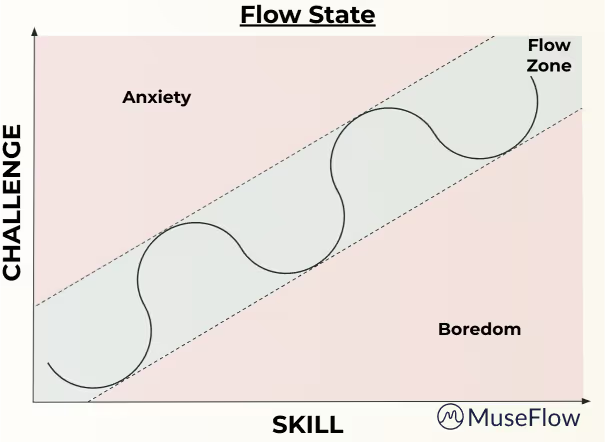
The concept of flow, introduced by psychologist Mihaly Csikszentmihalyi, describes a mental state where learners are fully immersed, focused, and intrinsically motivated. Flow occurs when challenge and skill are well balanced.
In piano learning, flow is supported when:
Well-designed AI piano apps intentionally structure practice sessions to encourage this state, which often leads to longer practice times and higher satisfaction
A major limitation of many beginner piano apps is overemphasis on memorizing songs. While this can feel rewarding short term, it does not build independence.
More effective systems prioritize:
This ensures learners develop skills they can apply to unfamiliar music, rather than relying on muscle memory alone.
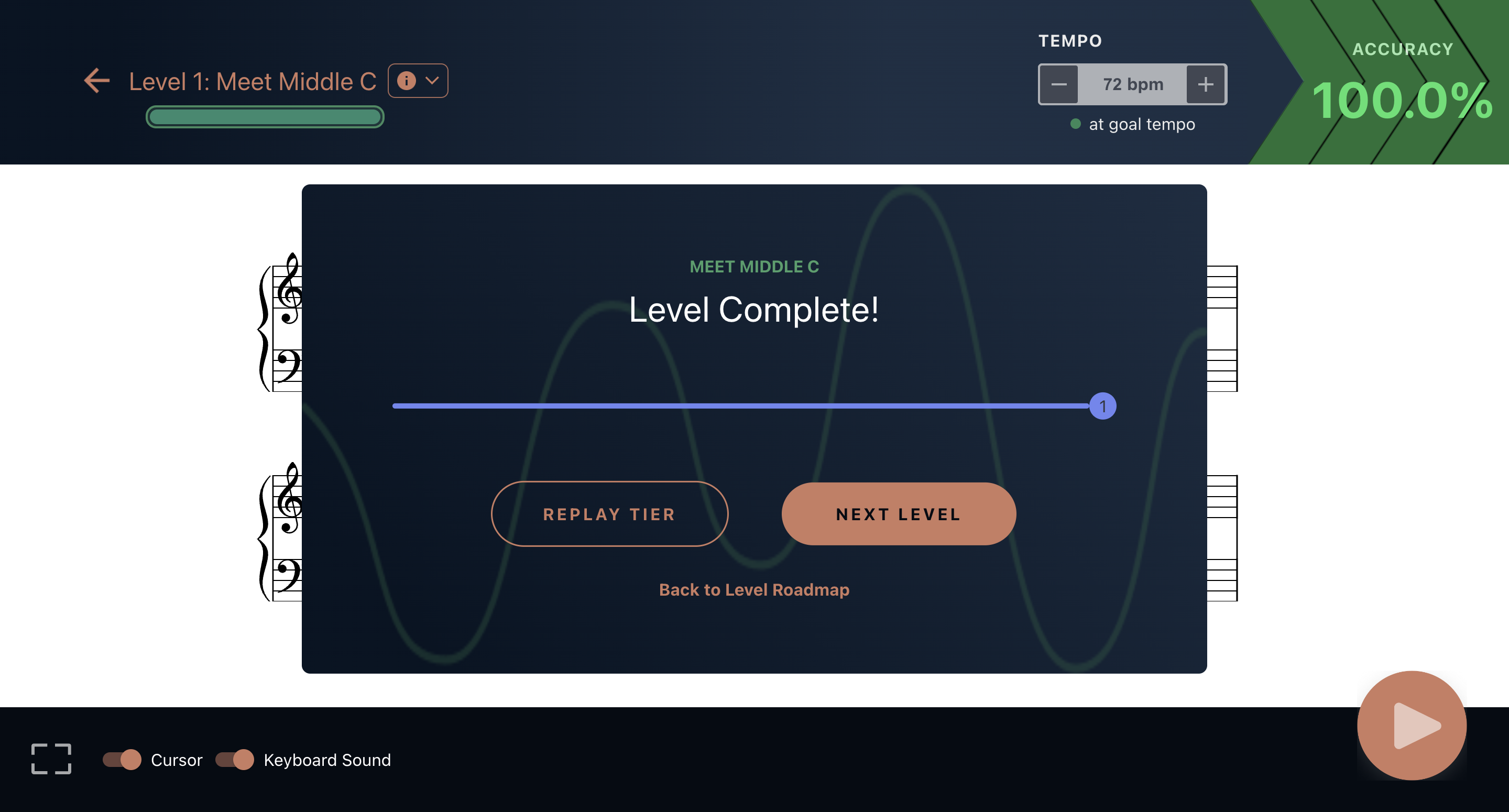
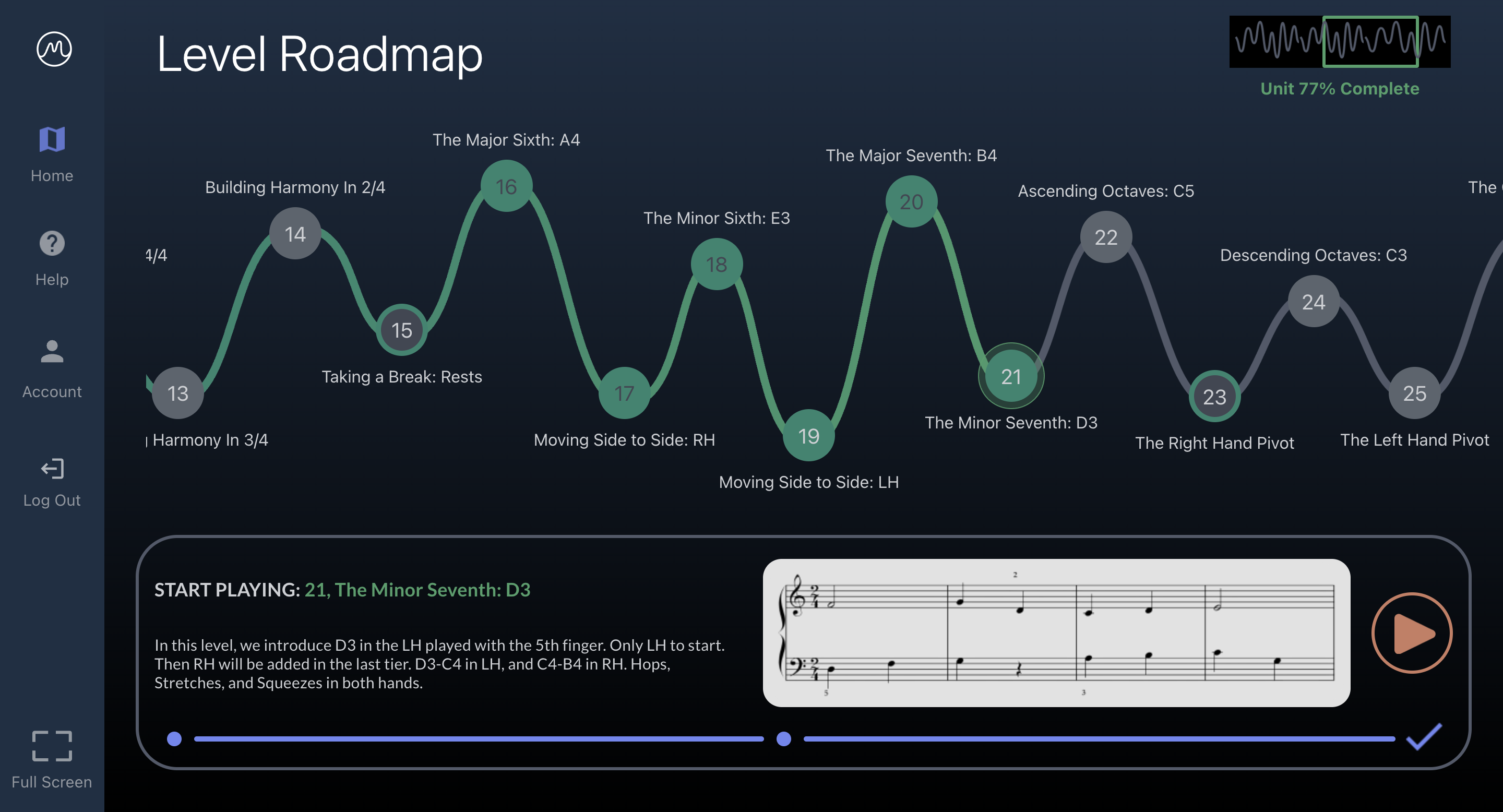
MuseFlow applies these principles through structured progression, real-time MIDI feedback, and adaptive practice material designed to reinforce sight reading and timing skills. Rather than positioning AI as a replacement for teachers, it functions as a practice-support system for learners who need consistency, feedback, and flexibility.
For independent learners facing limitations of cost, scheduling, or access, this approach offers a practical pathway to sustained progress.
AI piano apps are most effective when they are grounded in learning science rather than marketing promises. Their success comes from shortening feedback loops, personalizing difficulty, and sustaining motivation—not from artificial intelligence alone.
As technology continues to mature, the most valuable tools will be those that respect musical fundamentals while making quality practice more accessible. For many learners, that combination is what finally makes consistent piano study possible.
One of the biggest challenges piano learners face—especially beginners and self-directed students—is knowing whether they are practicing correctly. Unlike reading or watching a tutorial, piano practice happens in real time, and mistakes in pitch, rhythm, or timing can easily go unnoticed. Over time, these errors become habits, slowing progress and increasing frustration.
This is where real-time feedback has become increasingly important in modern piano learning. Instead of waiting for a weekly lesson or relying on guesswork, learners receive immediate information about what they played correctly and what needs adjustment. Educational research consistently shows that timely feedback accelerates skill acquisition and improves retention, particularly in complex motor tasks such as music performance.
In traditional practice, feedback is often delayed. A learner might repeat an exercise dozens of times before discovering a mistake. According to research in motor learning and music pedagogy, delayed correction makes errors harder to unlearn and reduces overall efficiency.
Immediate feedback, by contrast, helps the brain link action and outcome while neural pathways are still forming. This principle is widely supported in educational psychology and has been applied successfully in language learning, athletics, and music education.
Another problem with conventional piano practice is disengagement. Repeating static drills can feel mechanical, especially when learners are unsure whether the repetition is productive. Studies on learner motivation show that engagement increases when feedback is clear, specific, and tied directly to performance outcomes.
When feedback is visual or auditory and delivered instantly, learners remain focused on the task rather than worrying about evaluation later. This reduces cognitive overload and allows attention to stay on reading, timing, and coordination.
Psychological research on flow states—a condition where challenge and skill are well balanced—suggests that learners are more likely to remain engaged and sustain practice when tasks are neither too easy nor too difficult.
In music learning, flow is especially valuable. When difficulty adjusts appropriately and feedback is continuous, practice becomes immersive rather than exhausting. Time perception fades, frustration decreases, and learners are more likely to practice consistently.
While engagement is important, accuracy remains essential. Piano learning depends on precise timing, rhythm control, and pitch recognition. Research in music cognition shows that early reinforcement of correct responses leads to stronger long-term performance outcomes than later correction
Real-time feedback supports this precision by correcting errors at the moment they occur. Instead of reinforcing incorrect fingerings or rhythms, learners adjust immediately, which improves technical stability and reading fluency over time.
Learners progress at different speeds. Fixed lesson paths often move too quickly for some and too slowly for others. Adaptive learning systems, which respond to performance data rather than predefined schedules, have been shown to improve persistence and learning efficiency in adult education contexts.
In piano learning, personalization means spending more time on weak areas and less on skills already mastered. Feedback-driven systems naturally support this by highlighting recurring issues and adjusting difficulty accordingly.
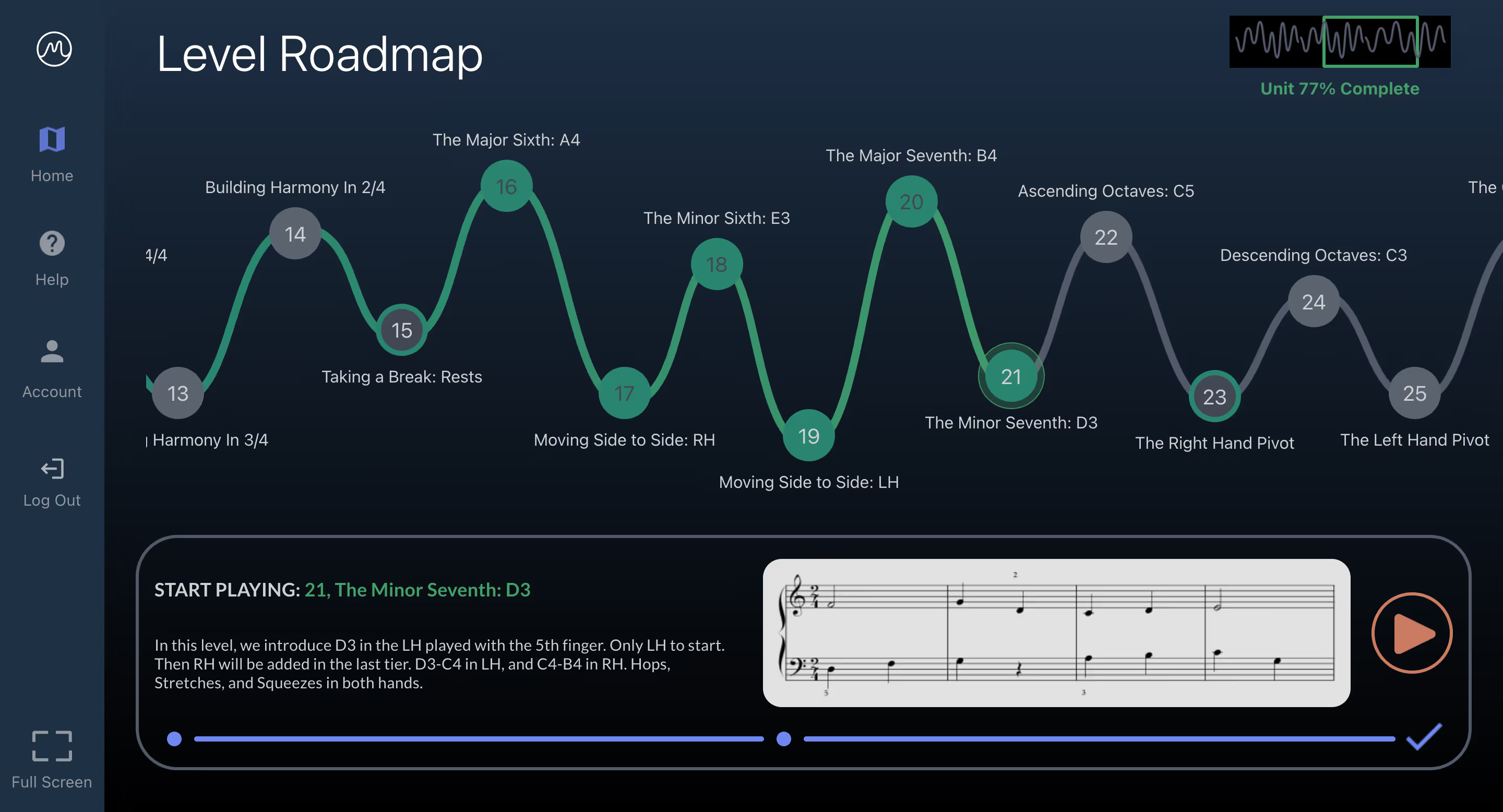
MuseFlow is one example of a piano learning platform that applies these principles. Its real-time, color-coded feedback shows pitch and timing accuracy as learners play, reducing uncertainty during practice. Instead of relying on delayed evaluation, learners receive continuous guidance while reading music.
The system also emphasizes sight reading through never-repeating exercises, which encourages true reading ability rather than memorization. Difficulty adjusts based on performance, helping learners remain in a productive challenge range rather than becoming bored or overwhelmed.
Importantly, these features are not valuable because they are “gamified,” but because they align with established learning science: immediate feedback, adaptive difficulty, and consistent exposure to new material.
The real benefit of real-time feedback in piano practice is sustainability. When learners understand what they are doing correctly and why they are improving, practice becomes more intentional and less stressful. Short, focused sessions become effective, which is especially important for adults balancing music with work and family responsibilities.
Rather than replacing traditional instruction, feedback-based tools complement it by filling the gaps between lessons and supporting independent practice.
Effective piano learning is not about practicing longer—it is about practicing with clarity. Real-time feedback reduces uncertainty, strengthens foundational skills, and keeps learners engaged over the long term. When combined with structured progression and thoughtful difficulty adjustment, it turns practice into a focused, rewarding experience.
For learners seeking more consistency and confidence in their practice, tools like MuseFlow demonstrate how feedback-driven design can support meaningful musical progress—without sacrificing accuracy or depth.
Learning piano has traditionally required three things: money, time, and access to a qualified teacher. Without these, many aspiring musicians were unable to pursue their goals. Over the last decade, technology has begun to break down these barriers, making it possible for learners to practice independently while maintaining steady progress.
Modern self-learning piano apps integrate structured guidance, adaptive challenges, and real-time feedback, allowing learners to develop musical skills efficiently without depending on traditional lessons. These innovations are rooted in principles from cognitive science, skill acquisition research, and music education.
Cost
Private lessons can be expensive, often costing several thousand dollars per year. Many families cannot afford weekly sessions, which limits access to consistent instruction.
Time
Regular lesson schedules can be difficult to maintain for people with unpredictable work hours, family responsibilities, or other commitments.
Access
Geography plays a role: rural areas or regions with few qualified teachers make regular instruction challenging. Social anxiety or discomfort performing in front of an instructor also adds barriers.
Delayed Feedback
When learning independently or between lessons, mistakes can go uncorrected for days. Cognitive research shows that timely feedback is crucial for forming accurate motor patterns and reinforcing correct technique.
Modern self-learning piano apps address these challenges systematically:
These features reflect best practices in learning science, ensuring that skill development is consistent and effective.

Sight reading is a foundational skill that allows learners to tackle any new piece of music confidently. Apps that focus solely on memorization provide limited long-term benefit, while emphasizing sight reading builds transferable skills and autonomy.
Progressive practice that prioritizes sight reading helps learners:
This approach aligns with research in music cognition and skill acquisition, which highlights the importance of active reading over rote memorization.

Sustainable motivation is driven by visible progress. When learners can see that their practice leads to measurable improvement, they’re far more likely to stay consistent. Learning science describes this as entering a flow state — periods of deep focus where effort feels natural and attention is fully engaged. Flow tends to emerge when challenge and skill are well matched, allowing learners to feel capable rather than pressured.
Enjoyment also plays a practical role in long-term consistency. For some learners, game-like practice formats make piano sessions feel less like a chore and more like an activity they genuinely look forward to. This approach shows how rhythm-game mechanics can be adapted into meaningful piano learning without sacrificing real musical skill.
Independent learners are looking for systems that:
By aligning learning tasks with these needs, apps can support consistent practice and meaningful skill development.
Many apps claim fast results but focus on memorizing a small library of songs. While memorization can be fun, it rarely develops true musical literacy. Effective independent learning emphasizes:
This ensures that learners gain lasting skills, cognitive benefits, and independence in their practice.
Technology has already transformed how people approach piano education. With structured guidance, adaptive feedback, and emphasis on foundational skills like sight reading, learners can progress efficiently without the traditional barriers of cost, scheduling, or geography.
Independent learners who adopt these principles can practice consistently, gain autonomy, and experience the cognitive and emotional benefits of music — benefits that many find are enhanced when learning at home through well-designed practice strategies.

Self-learning piano apps are more than a convenient alternative—they are a viable pathway to musical literacy. By combining structured practice, adaptive challenge, immediate feedback, and sight reading development, learners can achieve meaningful progress while building long-term skills.
Aspiring musicians can now take advantage of these innovations to practice efficiently, learn independently, and enjoy the cognitive and emotional rewards of piano study.
Learning an instrument is more than mastering notes and rhythms—it’s a gateway to improved cognitive function, emotional well-being, and lifelong creativity. Adults who engage in regular music practice often demonstrate enhanced memory, auditory processing, and motor coordination compared to non-musicians. This combination of mental and physical engagement makes music learning a uniquely powerful form of personal development.
Learning to play an instrument actively engages multiple brain regions. Musical training strengthens connections between hemispheres, improving memory and language skills—a relationship explored in how music enhances creativity and mental health. Practicing scales, chords, or improvisation develops fine motor control, auditory discrimination, and executive function. Long-term musicians tend to experience slower cognitive decline as they age, suggesting that music may act as a natural cognitive enhancer.
In my experience teaching piano for over a decade, students who consistently practice demonstrate noticeable improvements in attention span, problem-solving, and multitasking abilities within just a few months.
Mastering an instrument requires consistent practice and patience. Early progress can feel slow, but maintaining a regular schedule cultivates perseverance, time management, and focus. These skills transfer beyond music, enhancing productivity in work, school, and personal projects.
Structured practice, whether through traditional lessons or self-guided sessions, teaches learners to break complex tasks into manageable steps—a valuable strategy for academic and professional challenges.

Playing music offers a unique outlet for expressing complex emotions. Musical practice can reduce stress and anxiety while promoting positive mood states. Engaging deeply with music also induces “flow states,” where individuals experience immersion and focus, contributing to overall well-being.
Many students report feeling calmer and more centered after just 20–30 minutes of playing, making music a practical tool for emotional regulation in daily life.

Music naturally fosters social interaction. Joining ensembles, choirs, or online communities enables learners to connect with diverse groups, creating a sense of belonging and shared purpose. Collaborative music-making strengthens empathy, cooperation, and social cohesion.
Even informal jam sessions or virtual collaborations can create meaningful bonds, enriching both personal and professional relationships.
Music encourages creative thinking, learning new language, adaptive problem-solving. Improvisation, composition, and experimenting with different genres stretch the mind, improving flexibility in approaching challenges.
As learners navigate complex pieces or experiment with new melodies, they develop resilience and inventive thinking applicable beyond music. Whether troubleshooting a tricky passage or improvising a melody, musicians strengthen mental flexibility that supports everyday problem-solving.

Instrument learning and practice refines both fine and gross motor skills. Pianists develop precise finger movements and enhanced hand-eye coordination, while string and wind instrument players improve breath control, posture, and dexterity. For younger learners, early motor skill development contributes to long-term physical competence, including sports and daily activities.
These physical benefits reinforce the interconnected nature of mind and body, highlighting music as a holistic developmental tool.

One of the most rewarding aspects of learning an instrument is achieving a flow state.This occurs when you become fully immersed in an activity, with deep focus and effortless performance. Music naturally facilitates this balance between skill and challenge, allowing learners to experience satisfaction, relaxation, and personal expression.
Exploring dynamics, tempo, and expression while playing enhances both creativity and self-awareness, creating a fulfilling and enjoyable learning experience.
Learning an instrument provides a rich blend of cognitive, emotional, social, and physical benefits. Whether improving brain function, relieving stress, or fostering social connections, music equips individuals with skills that extend far beyond the instrument itself.
Expert Tip: Practicing effectively often means knowing where you’re starting and how far you can push yourself—a concept explained by the floor-ceiling model of skill acquisition. Start with small, consistent practice sessions and gradually increase complexity. Tracking progress enhances motivation and reinforces a sense of achievement.
For those looking for guided learning tools, AI-driven music apps like MuseFlow can help tailor practice sessions to your skill level and support steady improvement. While such tools can aid learning, the true benefits of music come from consistent engagement, personal exploration, and dedication.

The rapid development of artificial intelligence has led many to wonder whether AI could replace traditional piano teachers. While technology is advancing at an impressive pace, current research and classroom experiences suggest that AI is best viewed as a tool to enhance music education, not as a replacement for human instruction. AI can support both students and teachers, making practice more efficient, engaging, and tailored to individual learning needs.
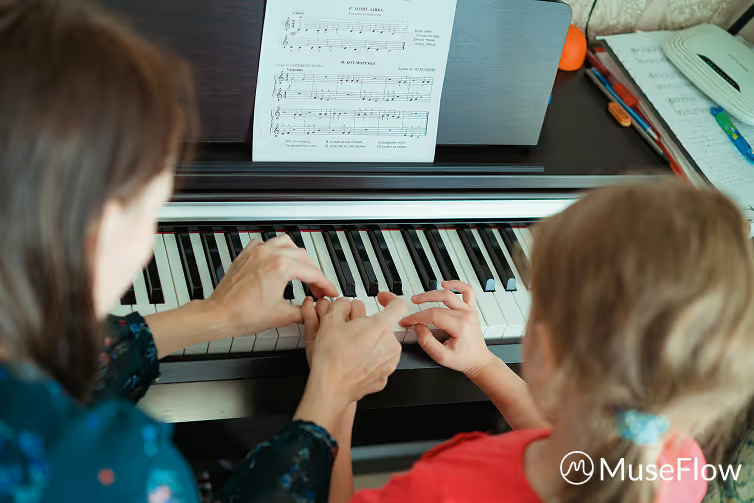
Traditional piano lessons often involve significant repetition: practicing scales, correcting posture, and reinforcing basic techniques. While these exercises are essential for skill development, they can sometimes dominate lesson time, leaving less room for creative exploration and musical expression. For students, this may feel repetitive or tedious, and for teachers, it can limit the opportunity to focus on the expressive, interpretive aspects of music.
Research on instructional design indicates that balancing skill acquisition with creative engagement is key to sustained learning. Technology-assisted practice can help achieve this balance by handling routine technical exercises, allowing teachers to dedicate more time to mentoring, interpretation, and musical storytelling.

AI-driven platforms, such as MuseFlow, are designed to complement traditional teaching rather than replace it. By providing adaptive practice exercises and real-time feedback, these tools can relieve teachers from repetitive correction work. For example:
In this way, AI serves as a co-pilot for music instruction, providing structure, feedback, and engagement while leaving the human teacher to focus on mentorship, creativity, and nuanced musical interpretation.
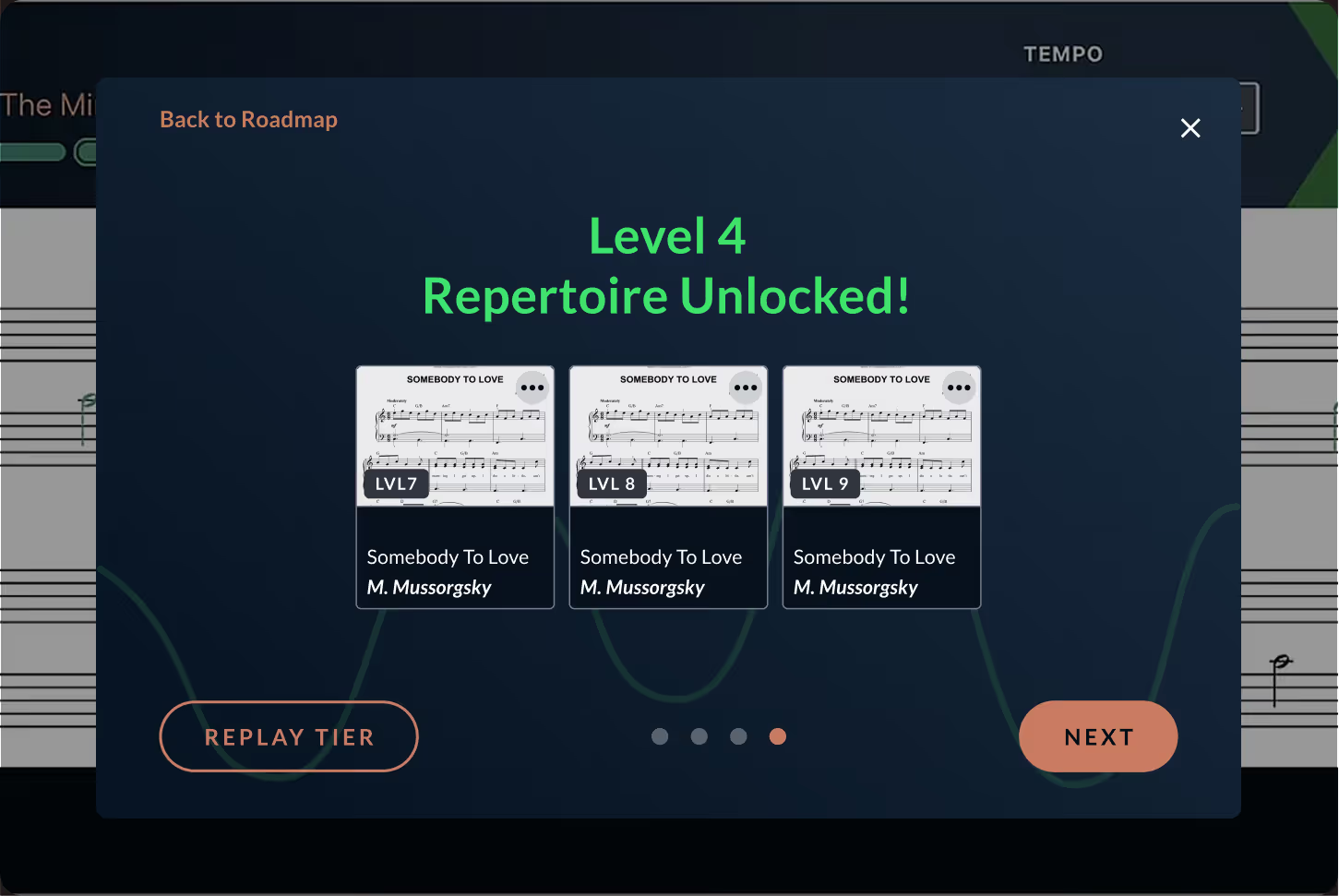
When integrated thoughtfully into a curriculum, AI can transform the role of the piano teacher. Lessons shift from repetitive technique drills to coaching sessions that emphasize musicality and expression. Teachers can explore music theory, improvisation, and repertoire development, guiding students in ways that AI alone cannot replicate.
Evidence from educational research supports this approach. For example, studies indicate that technology can increase learner engagement and attention during practice, particularly when tasks are structured, interactive, and immediately responsive. This aligns with observations from classrooms using AI-supported practice platforms, where students demonstrate higher motivation and focus.

AI’s primary role in piano education is supportive, not replacement-focused. It can:
However, human teachers remain essential for fostering creativity, expression, and emotional connection to music. The combination of AI-driven tools and expert guidance offers a hybrid approach that leverages technology’s efficiency while preserving the interpretive and social aspects of learning.
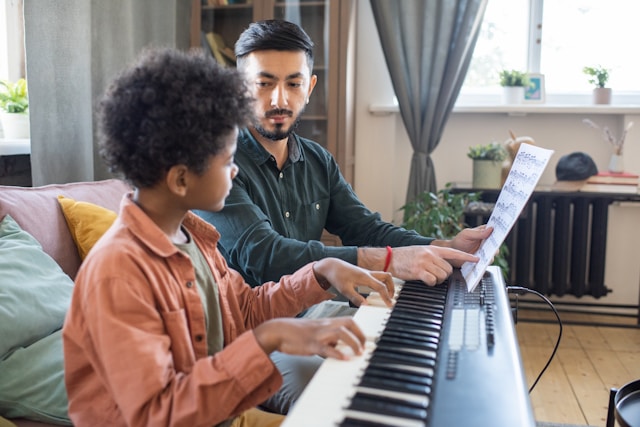
Can AI replace a piano teacher? The evidence suggests it cannot—and likely should not. Instead, AI can enhance music education by streamlining technical practice, providing adaptive feedback, and keeping students engaged. Teachers benefit by having more time to focus on interpretive instruction and mentoring, while students gain structured, responsive practice tools.
By combining the analytical power of AI with the mentorship and artistry of experienced educators, music education can evolve into a more effective, engaging, and personalized experience. In this context, technology and teachers are partners, not competitors, in shaping the next generation of skilled, confident pianists.
As we speak, the technology of artificial intelligence is making shockwaves in nearly every element of our lives; from dating, to work, to pet care…it can be difficult to get a grip on what exactly it is, and how it can (or can’t) benefit us. We here at MuseFlow saw the potential in AI to revolutionize music education and we have done just that. Keep reading to read more about how AI is revolutionizing music education.
MuseFlow approaches AI as a tool to support our sight-reading first philosophy, so that you can not only play songs you love on our app, but at a party with friends, at a concert or in your living room with a four-legged audience - wherever your musical aspirations take you. AI analyzes your progress and playing style to generate constantly new, progressively structured music. We focus on sight reading to make you an independently proficient player.
MuseFlow is certainly not the first piano app; how many have you downloaded before being met with rote memorization, boring jazz standards and plunky exercises? We combine our expert pedagogical philosophy with a meticulously designed curriculum, supported by AI to implement our approach adapted uniquely to you.
So far we’ve discussed how AI plays a part in the sight reading first philosophy and our adaptive learning approach. That’s just a preview into not only how AI supports our state-of-the-art features, but how we aim to improve the way you study music. Let’s dig a bit deeper.

MuseFlow uses AI in its unique adaptive learning structure, incorporating AI’s capability to accommodate a diverse range of learning styles and tailor instructions to where a learner currently is, whether they’re a beginner or a teacher brushing up on your skills.
As an example: let’s say, as you’re practicing, you’re really struggling with d7 chords but you intuitively pick up complex rhythms. MuseFlow will note that and continuously give you music phrases with that chord included until you’ve mastered it. It’s smoothly incorporated into your individualized practice, all while giving you real-time feedback.
What makes this different from a static method book or a one-size-fits-all curriculum is that MuseFlow’s AI is always listening and learning alongside you. It doesn’t just track right and wrong notes, it recognizes patterns in your playing over time. Maybe you tend to rush through fast passages, or you consistently hesitate before a key change. MuseFlow picks up on those nuances and adjusts your practice material accordingly, creating a feedback loop that keeps you growing without overwhelming you.

When you reach a point where something is perfect for you - not too challenging and not too boring - this is called the flow state. Learning feels effortless and time flies by. Some major elements of achieving flow state are balance between skills and difficulty, immediate feedback, and intrinsic motivation.
We make it easy to track your progress as you go and maintain control of your education. Practice feels like play. And when practice feels like play, you actually do it, on your own terms. That consistency is what separates the students who stick with piano for life from those who quit after a few months.
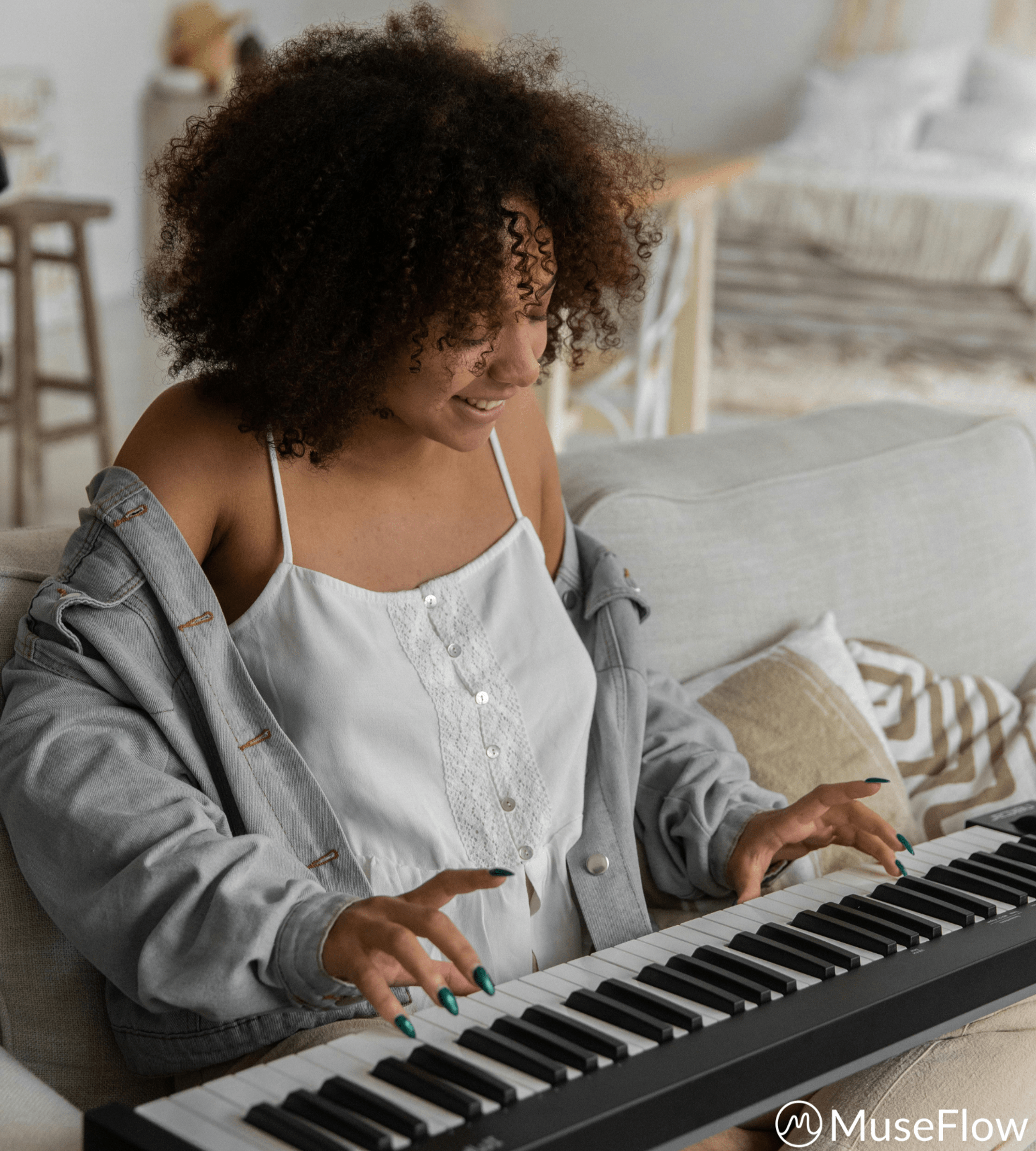
We prefer to think of MuseFlow as your personal AI tutor. We don’t believe the future of piano education is about replacing the very real human element in music education, but about building on a teacher's presence and giving students a leg up.
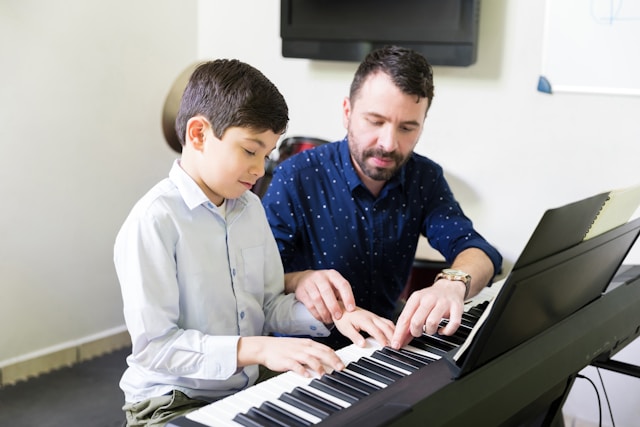
While MuseFlow handles the technical instruction, your teacher can carry you forward with the craft and musicianship. When you arrive at your lesson having already internalized the mechanics of a piece, your teacher is freed up to focus on the deeper artistry. Expression, dynamics, storytelling through music. That’s where the magic happens, and MuseFlow helps you get there faster.
We here at MuseFlow are passionate about music education and have worked hard to build an app that is not only revolutionary, unique, and effective, but one that honors the fun that inspired music learning in the first place. If you’re curious to see how AI can help your own journey, click below to try MuseFlow for free.


Keep up to date on our progress as we continue to add new features!