.svg)
The Best Movie Scores of All Time and What Makes Them So Timeless
The best movie scores are instantly recognizable and inextricable to the film itself. I spoke in another post about the ways video game scores help set the tone, clarify characters, locations, and stakes, and give emotional feedback. Movie scores are similarly important to narrative storytelling. And the best scores do more than contribute to the narrative. They become works of art in their own right, played by pianists and orchestras around the world. Today we’re going to dive into the most memorable scores and what exactly makes them so timeless.
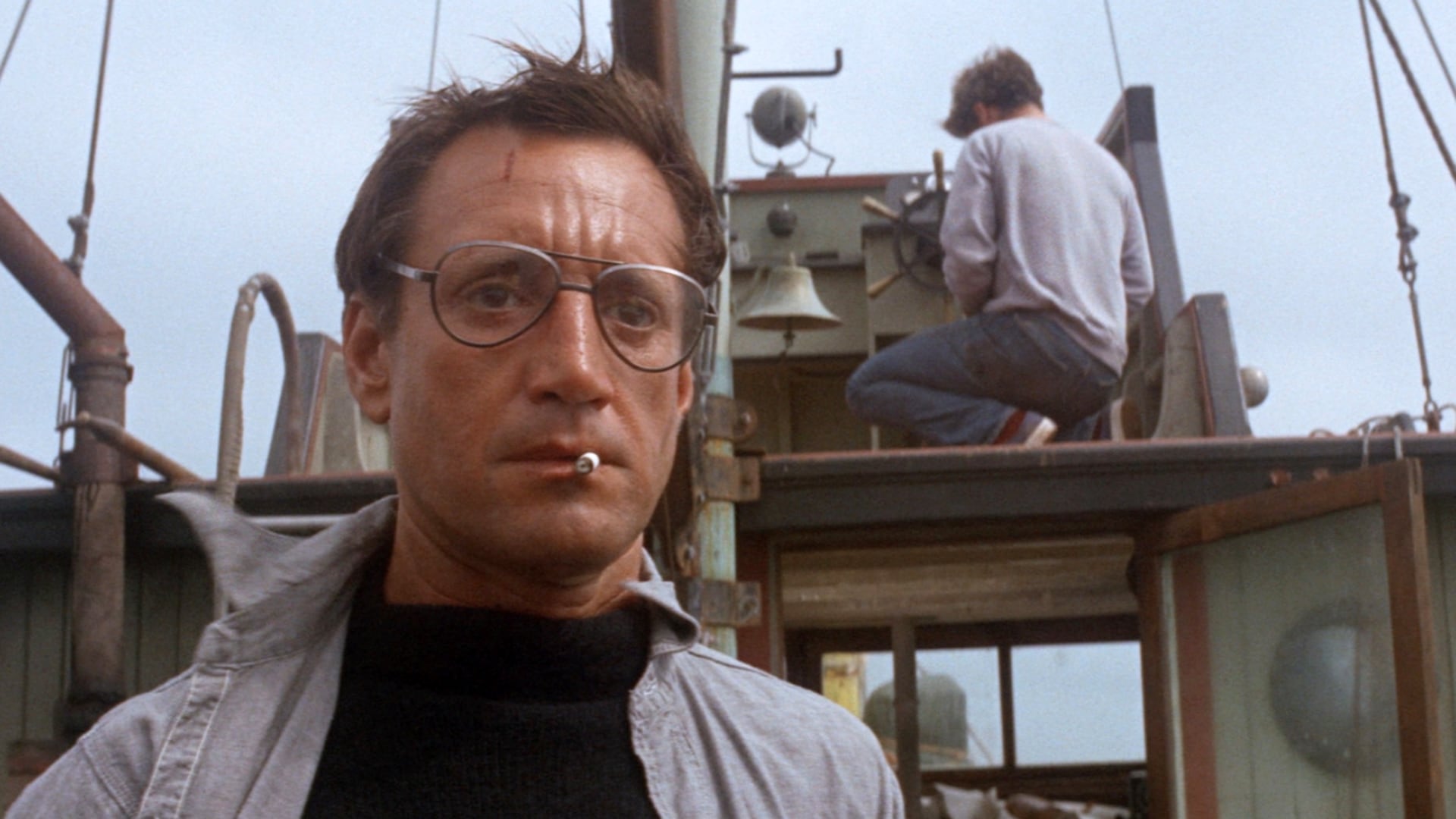
Jaws (John Williams)
I recently got to explore the Jaws exhibit at the Academy Museum of Motion Pictures, and an entire section of the exhibit was dedicated solely to Williams’ score… including a mini piano with notes lit up to help you play it! Spielberg once remarked that “the score was clearly responsible for half the success of that movie.”
The timelessness of this theme is in it’s simplicity. Only two notes (E and F) make up the core of the theme, utilizing tempo to slowly build terror and suspense. As this article explains, the movie intentionally hides the shark until late in the film, but the music stands in for the shark (a technique known as a leitmotif), helping build tension around the unseen monster as it stalks its prey. That filmmaking technique of waiting to reveal the monster, although initially caused by issues with the mechanical shark, has been used in horror movies ever since.
John Williams shows us that a simple tune effectively deployed can create a strong emotional response… and one of the most iconic themes in cinema history!
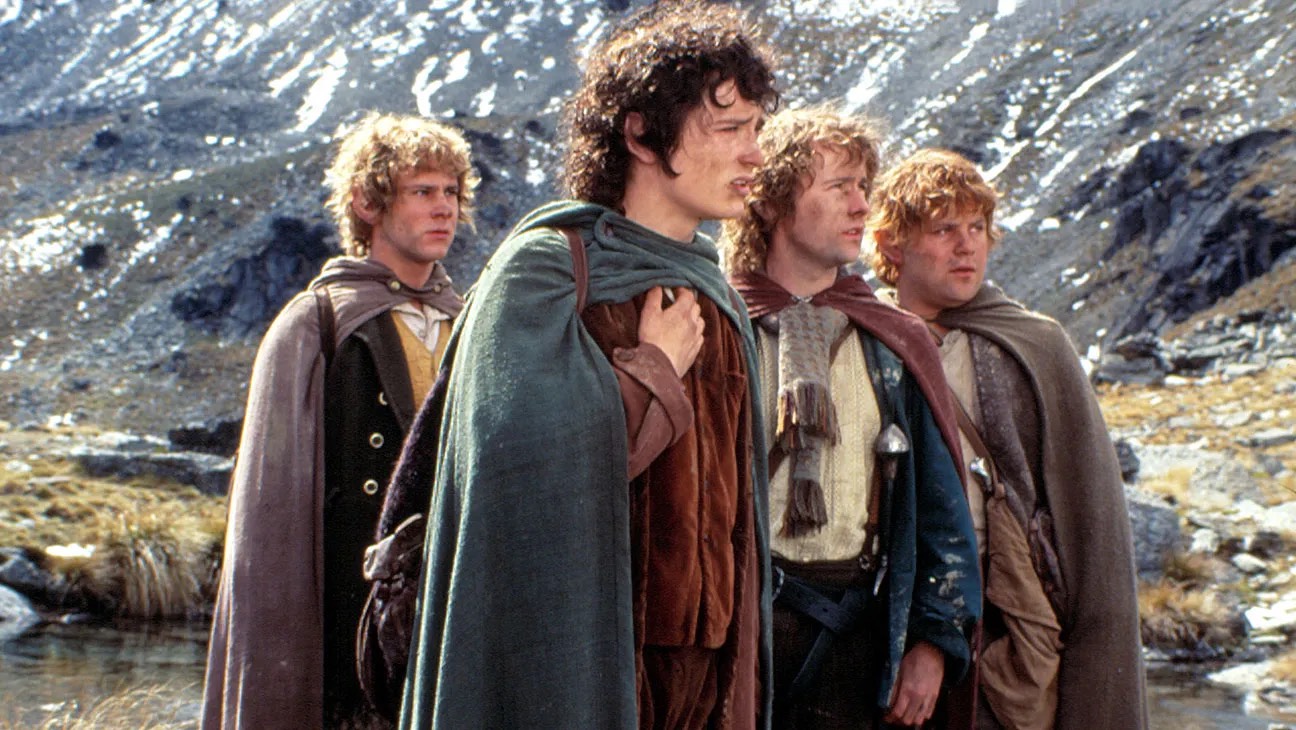
The Lord of the Rings (Howard Shore)
While the Jaws score is timeless for its simplicity, Howard Shore’s score for The Lord of the Rings trilogy is timeless for the exact opposite reason. Shore created over 13 hours of music with hundreds of musicians, and the score’s grand scale matched the grand scale of the trilogy.
With his use of various musical styles, Shore was able to create over 50 leitmotifs to really immerse us in the different regions, characters, and cultures of Middle Earth. Musicologist Doug Adams wrote that in “Concerning Hobbits” Shore wanted to feel like “the hobbits were playing the music.” In some songs, Shore even included vocal elements of Tolkien’s invented languages to really transport us to Middle Earth!
The Lord of the Rings was a stunning feat of filmmaking, and Howard Shore’s scores perfectly reflect that. It’s no wonder he won three Oscars, two Golden Globes, and four Grammys for them!
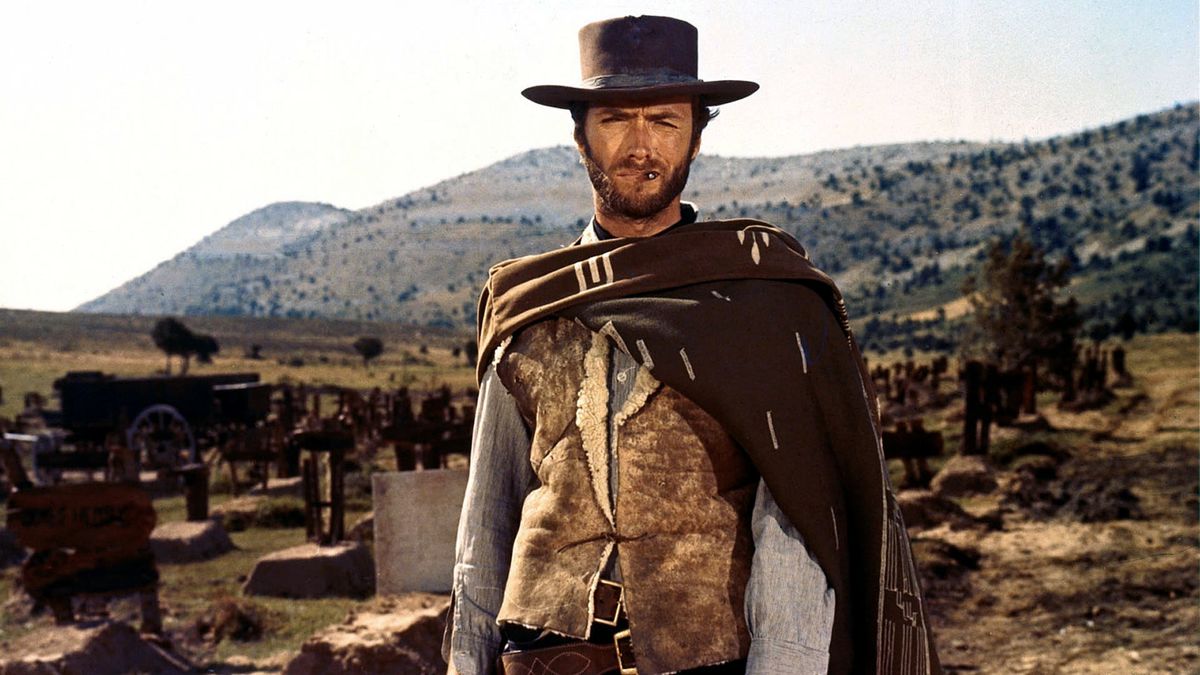
The Good, the Bad and the Ugly (Ennio Morricone)
Ennio Morricone’s Spaghetti Western score has become so synonymous with the genre that it has been parodied in countless stand-off scenes throughout the years. The strange, unique musical decisions, including utilizing gunfire, whistling, yodeling, whip cracks, Sicilian folk instruments, trumpets, and electric guitar, all come together to create a score that’s so original that it can’t help but be totally timeless.
Morricone has a long history in Italian avant-garde music, and that experimental instinct makes its way into this score. Morricone stated, “I come from a background of experimental music which mingled real sounds together with musical sounds.” This is especially true for the iconic main theme, which uses a sound modeled on a coyote howl to evoke a “desolate western wilderness.”
Morricone brings emotion to the action and characters, especially helping to build tension in the famous climactic face-off scene. His avant-garde style helped to create a score so timeless that it has set the tone for the entire Western genre ever since.
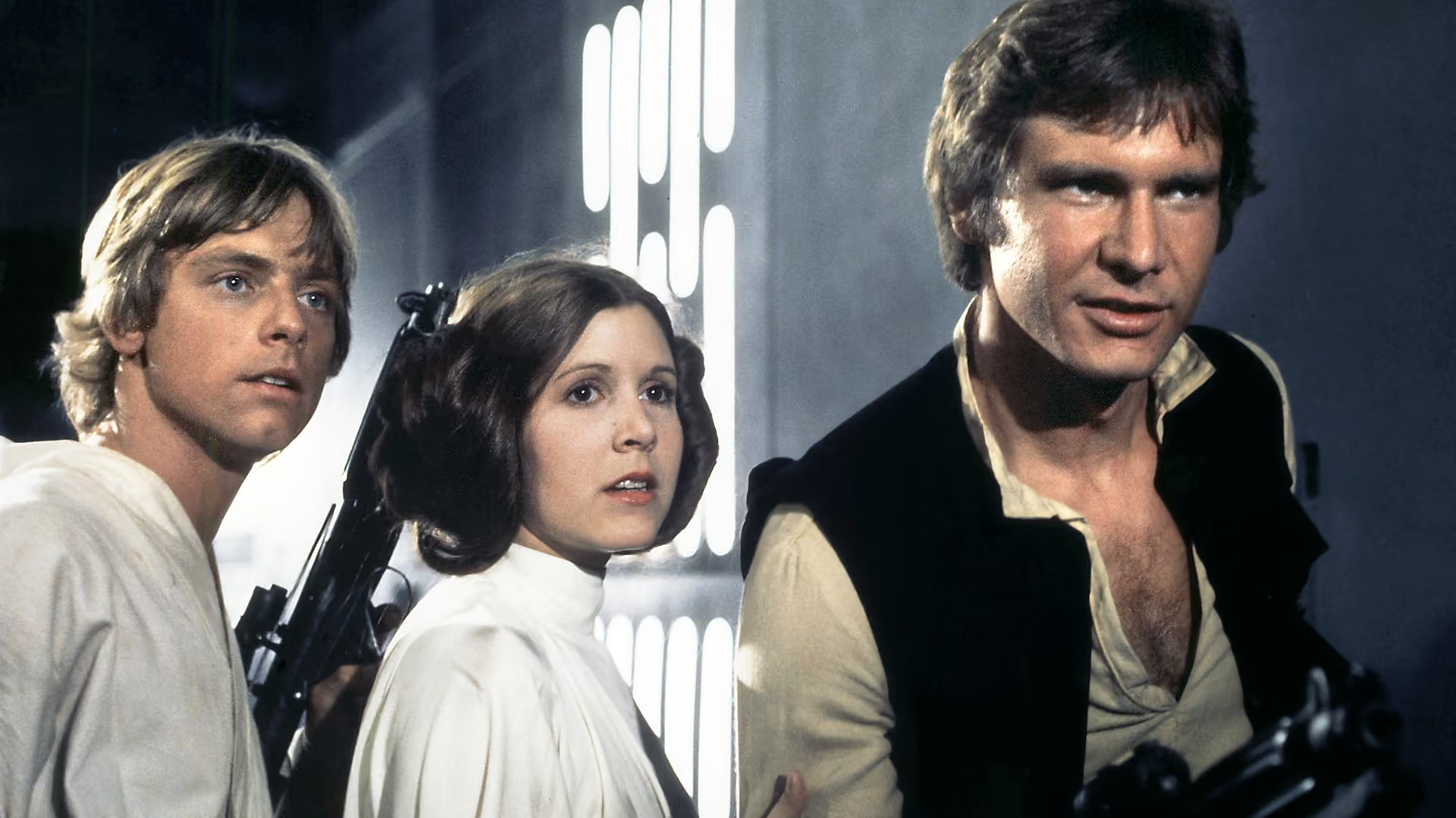
Star Wars (John Williams)
I could have written this entire post about John Williams (Jurassic Park, Indiana Jones, Harry Potter, ET, the list goes on). So I’m really limiting myself by only including two. But I couldn’t leave out one of the most recognizable scores in all of cinema… Star Wars.
Similar to The Lord of the Rings, the timelessness of the Star Wars score is in its scale. When the movie begins, we’re blasted with a “Korngoldian heroic fanfare” that immediately tells us that we’re about to embark on an grand adventure. Williams’ leitmotifs are instantly recognizable… you know exactly who’s walking through the pneumatic doors when the “Imperial March” begins. As this article explains, Williams’ orchestral music adds a level of gravitas to characters and scenes, helping to bring the epic-ness to this space epic.
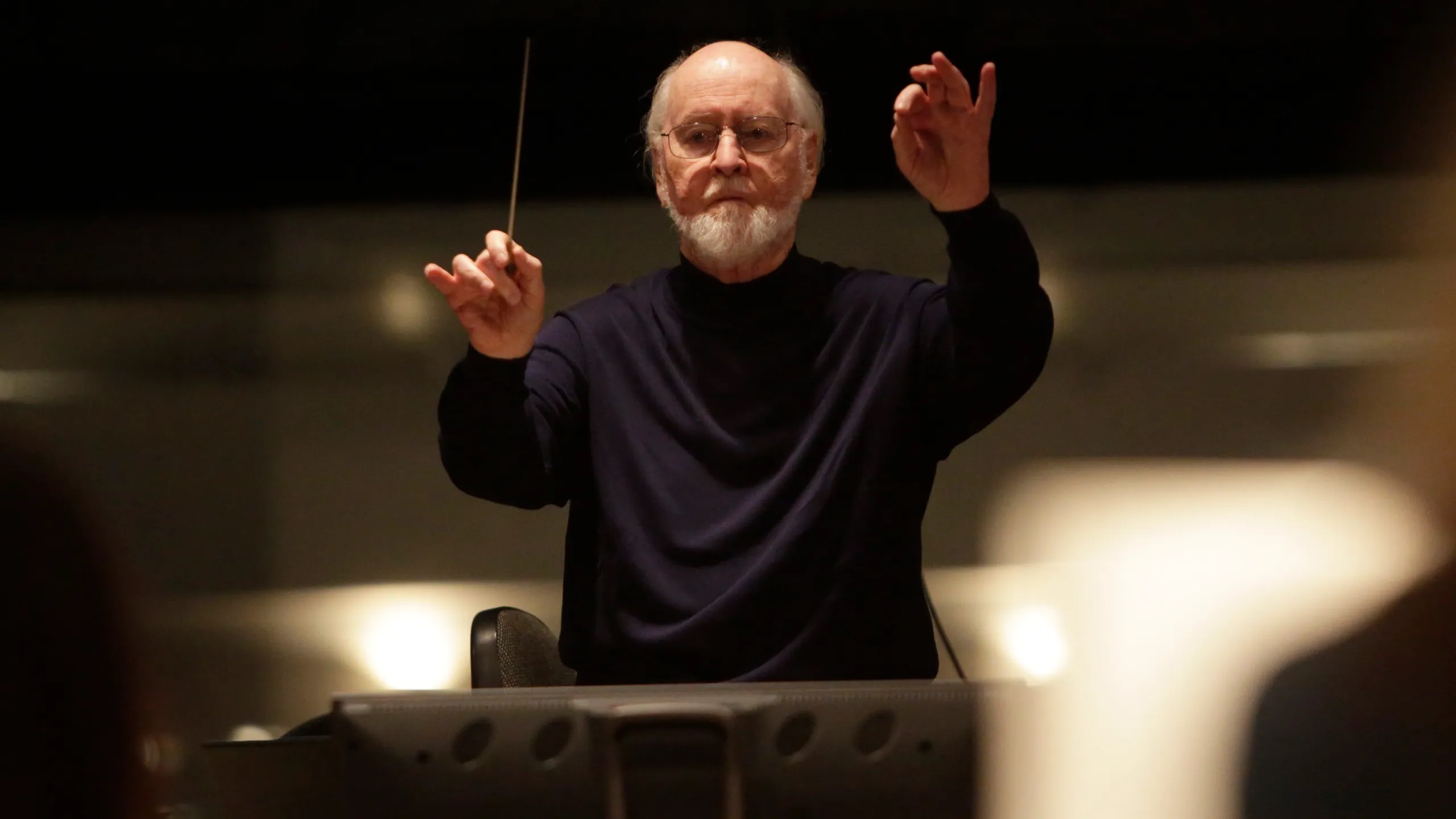
According to this article, Williams’ "neoclassical compositional style” had a huge impact on movie scores, and because of Star Wars “it’s become standard to expect a large operatic/symphonic score for blockbuster films…” It’s clear that the world of film scores just wouldn’t be the same without John Williams.
Conclusion
The best film scores are original, catchy, and perfectly tailored to their moves. But more than anything, these scores are timeless because they immediately evoke a feeling… whether it’s the encroaching panic of Jaws or the epic adventure of The Lord of the Rings. It’s that emotion that makes us want to hear… and play… these songs over and over again.
We here at MuseFlow believe in the power of music, and that’s why we’ve created our gamified piano learning program. Our program makes learning the piano fun and achievable with:
- A focus on sight reading as a core skill, with indefinite sheet music to ensure variety in what you play.
- Incremental lessons that keep you at your perfect challenge level to promote a steady Flow State.
- Real-time feedback and detailed progress tracking to show you how you’ve improved and encourage you on your piano learning journey.
Everyone has a film score that speaks to them. Personally, I’ll never fail to be hyped up by the swashbuckling score of “Pirates of the Caribbean.”