.svg)
You may think that learning the piano only really prepares you for playing classical music. But in reality, it can be a gateway to playing just about any musical genre, including rock, pop, and jazz. Some of the most famous modern piano players are proof of just how versatile this skill can be.
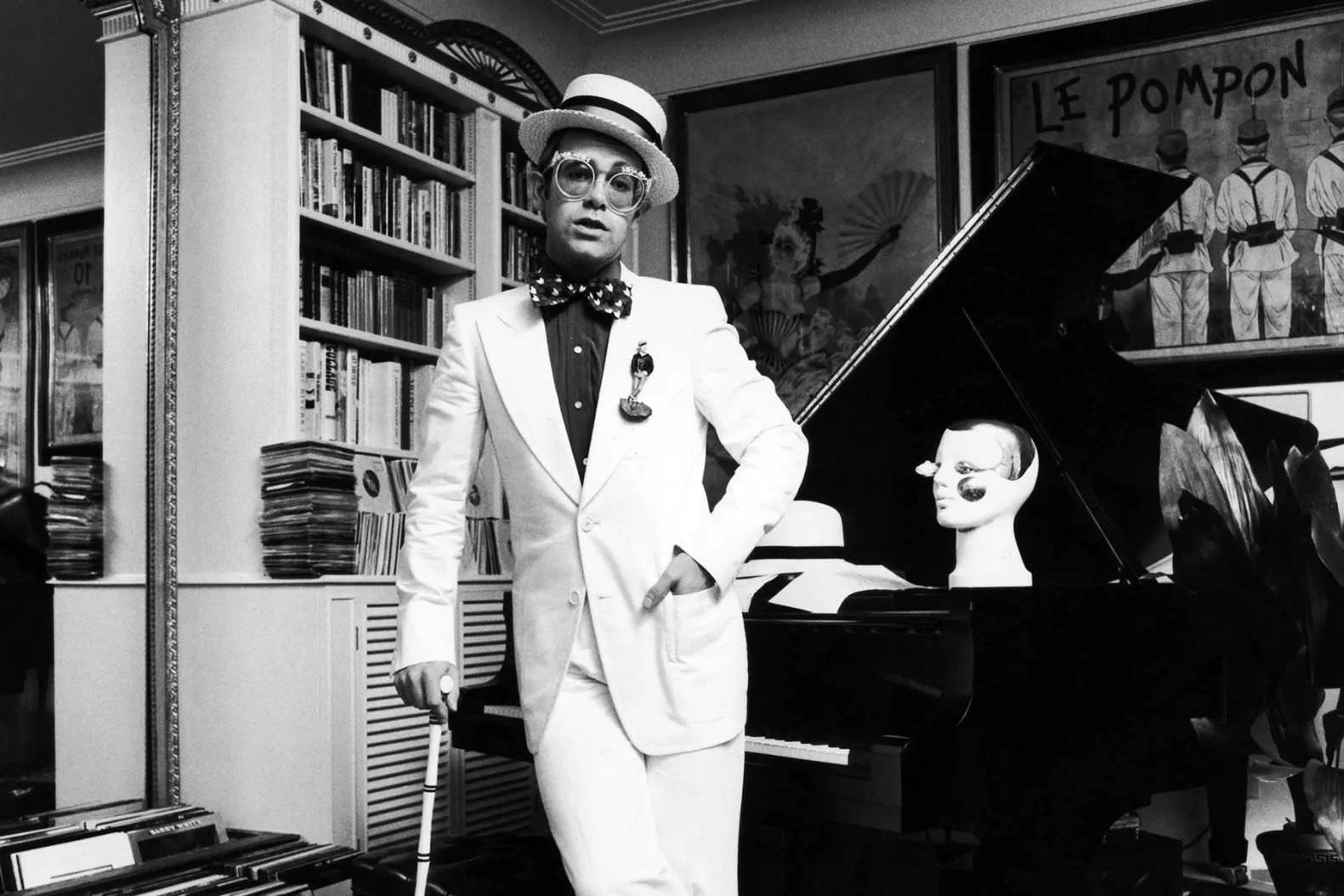
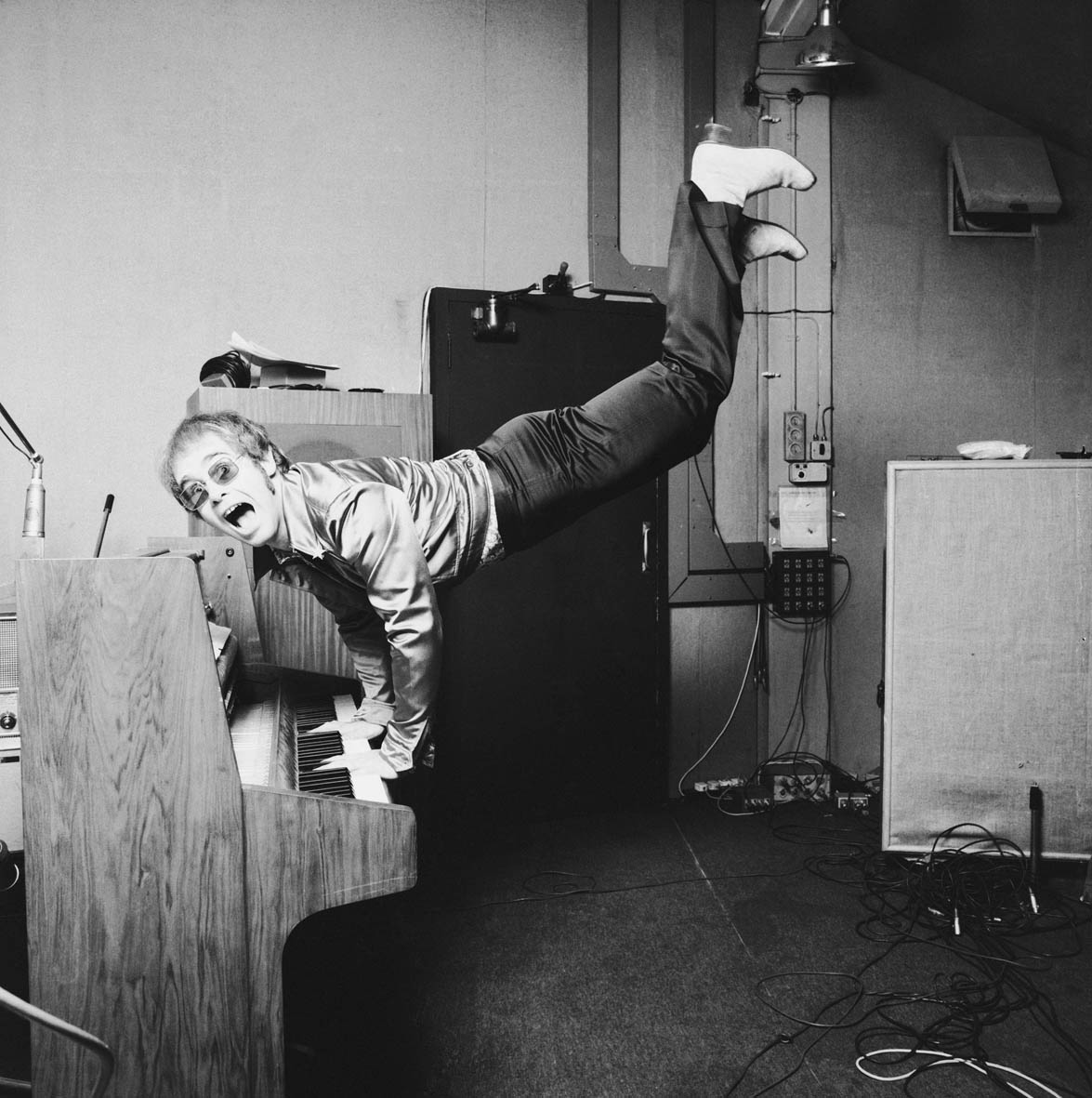
ELTON JOHN — CLASSICAL TRAINING MEETS ROCK AND ROLL
English rock star and EGOT-winner Elton John got his start with classical piano training, joining the Royal Academy of Music at London when he was 11. He credits his piano training for his successful career, saying, “In those days, the Academy meant classical music and nothing else — certainly no rock n’ roll. That was the devil’s music. But without my training, I never would’ve been able to write the songs I’ve written.”
Elton would leave the Royal Academy at 16 to pursue his rock career, and he would go on to become one of the biggest stars of all time. He explains that his classical training taught him the “rudiments” of musicianship like “chord structure” and “melody.” He also says you can hear the direct influence of his classical training on songs like “The King Must Die” and “The Greatest Discovery.” He shows us the benefits of learning a style outside of your main interests, saying that classical training, “introduces you to music that’s beautiful and miles away from what you might do. It fills your mind with options.”
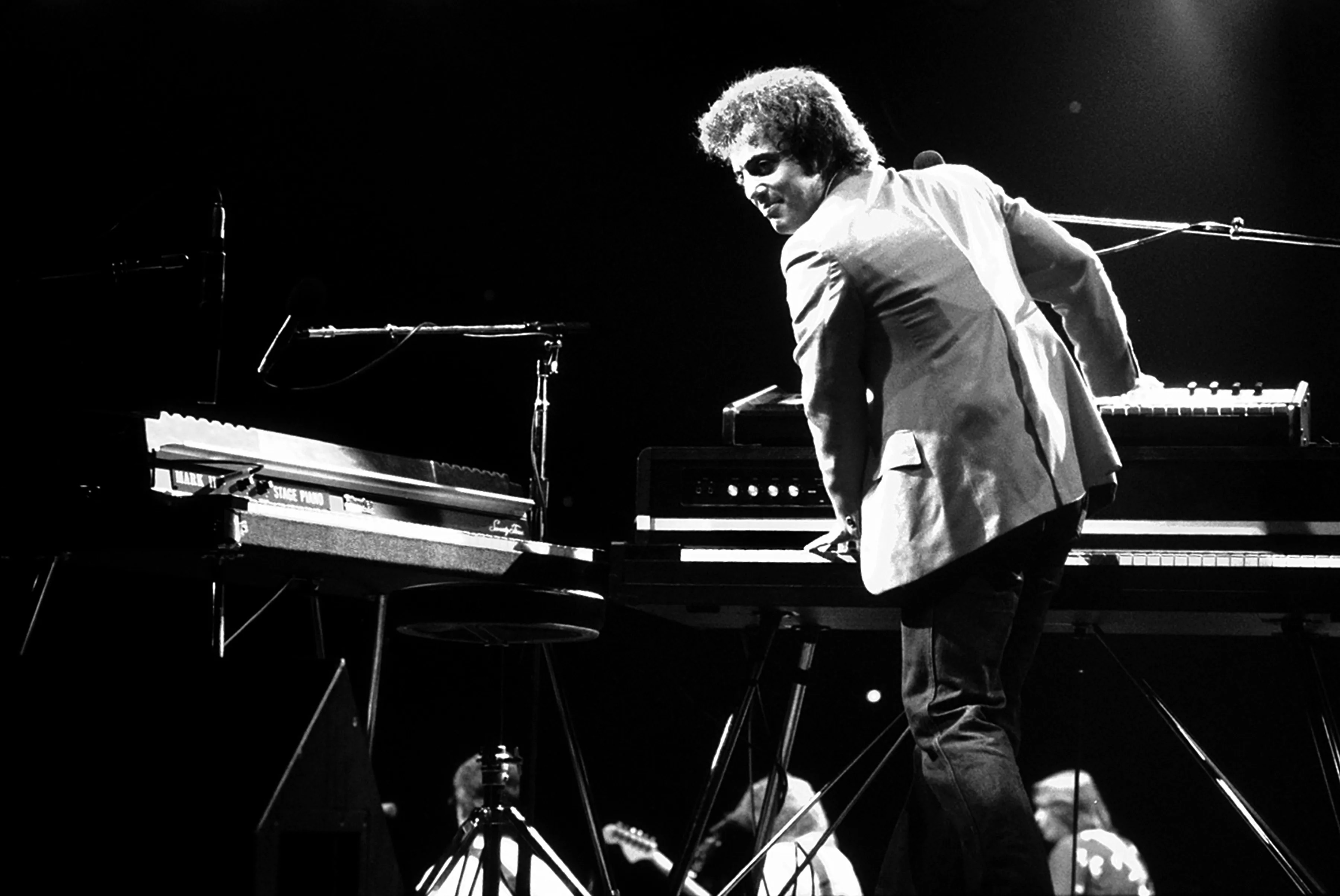
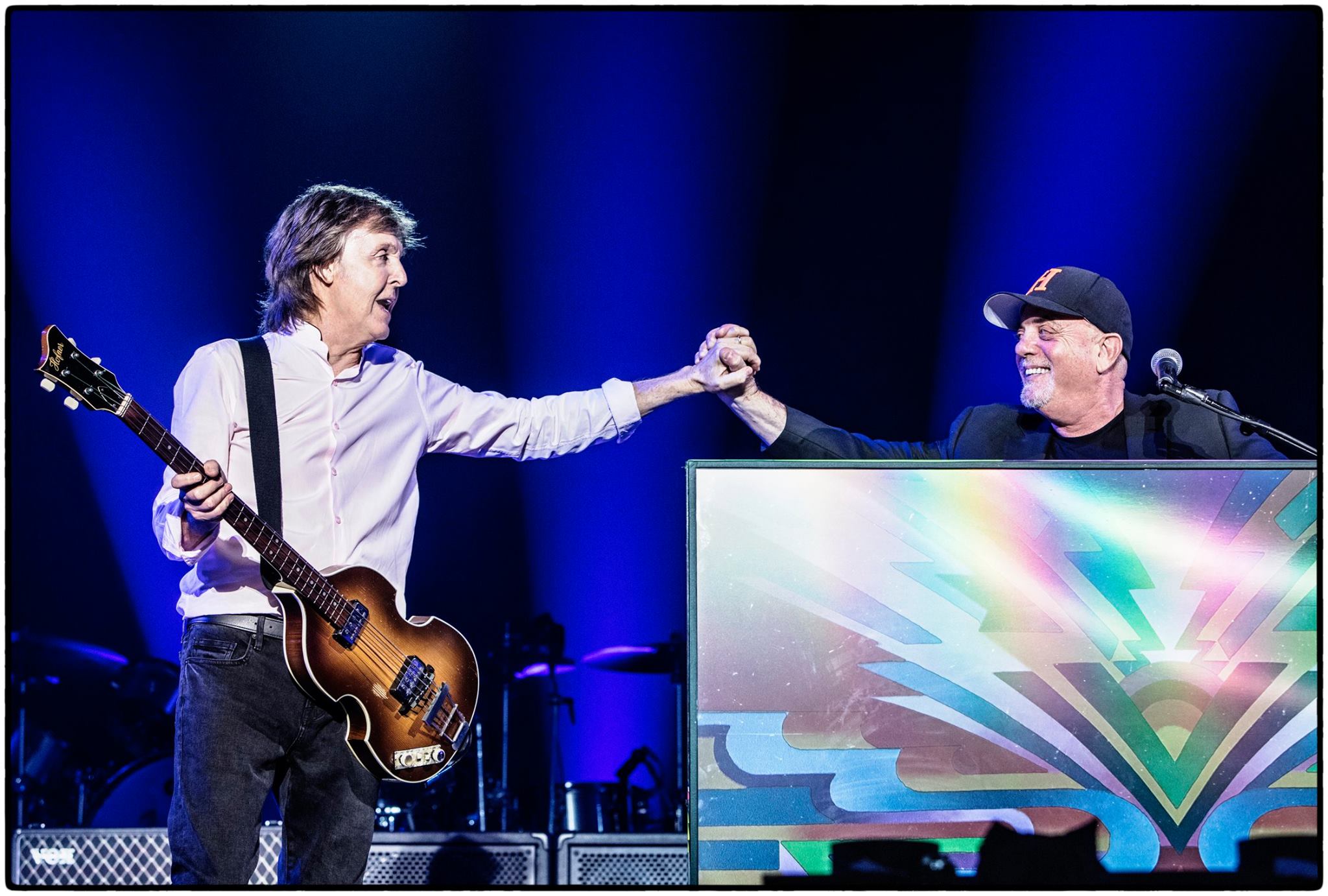
BILLY JOEL — FROM PIANO LESSONS TO PIANO MAN
The “Piano Man” himself also had a strong classical foundation that helped him build his rock career. Billy Joel had private teachers rather than at an academy, with lessons beginning at 4 years old. He was influenced by classical composers like Beethoven and Debussy, as well as contemporary musicians like Ray Charles and The Beatles. Seeing The Beatles on The Ed Sullivan Show “lured Joel to popular music.” And similar to Elton John, Joel ended his piano lessons at 16.
Like Elton John, Joel’s classical upbringing had a clear influence on his rock career. The most obvious example is his song “This Night,” which utilizes the second movement of Beethoven’s “Pathetique” sonata. His career shows the benefits of a strong musical foundation, regardless of how your musical taste and voice change over the years!
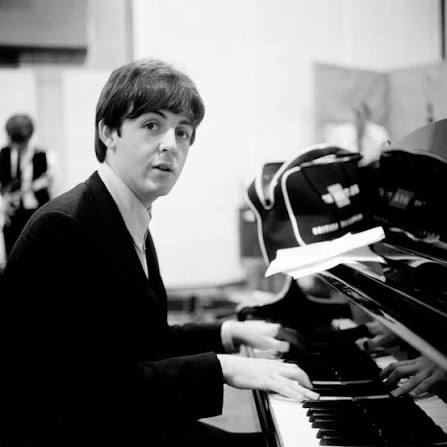
PAUL MCCARTNEY — A SELF-TAUGHT BEATLE
Unlike Elton and Billy, Paul McCartney was almost entirely self-taught. He first learned the piano by listening to his musician father. He only lasted about “four or five weeks” at formal piano lessons, and instead learned to play by listening to music, imitating it, and experimenting. His influences included American artists Little Richard, Chuck Berry, and Buddy Holly.
McCartney’s musical origins were unconventional, lacking formal training and based more in the rock and pop records he liked, but he has still said that he had a “subconscious” exposure to classical music…and even composed some classical music later in life! Through it all, the one thing that stayed steady was his passion and willingness to learn music in the way that made the most sense to him.
THERE ISN’T ONE “RIGHT” WAY TO START
When it comes to learning music, you’re often told that there’s one specific path that you need to take. But these incredible musicians prove that’s far from the truth. You can start with classical music like Elton John and Billy Joel, or you can start with rock and pop like Paul McCartney. None of it will stop you from moving between genres later…in fact, it will only open you up more to them and help you to blend them together. The most important thing is that you find an approach that interests and engages you.
CONCLUSION
Learning the piano isn’t necessarily about becoming a classical pianist or famous rock star. It’s about developing your musical foundation that lets you eventually play…and create…the music you love. Building that foundation can also help you find your voice and musicality…something that will lead you to express yourself and connect with others through music.
We at MuseFlow strongly believe in establishing that musical groundwork to help you learn piano and find your musical voice. Our approach prioritizes sight reading over rote memorization, giving you this valuable base skill with opportunities for fast progress. Sight reading can give you the foundation you need to play any genre. Our program offers:
- Indefinite sheet music to give you constant variety and keep you locked in Flow State.
- A fun, engaging gamified system with incremental levels to ensure the perfect challenge level.
- Real-time feedback to track your progress and encourage steady improvement.
Whether you already know what genres you want to play or you’re still figuring out your voice, MuseFlow is here to help you learn and encourage you on your musical journey! Maybe one day we’ll be listening to Your Song on the radio.