Flow State
Just-in-time
Adult Learning
Curriculum
Beginners
The Power of Just-In-Time Learning and Flow State in Music Education
July 5, 2026

Music education has traditionally relied on structured progression: theory first, application later. While this approach has produced capable musicians, it also presents familiar challenges—slow engagement, delayed motivation, and students who struggle to connect abstract concepts with real musical experience. In response, modern learning research has highlighted two principles that offer a more effective alternative: just-in-time learning and flow state. Together, these ideas are reshaping how musical skills can be taught, practiced, and retained.

Just-in-time learning emphasizes acquiring knowledge at the moment it becomes relevant, rather than front-loading instruction with theory. Instead of memorizing rules in advance, learners encounter concepts as practical needs arise. This approach mirrors how many complex skills are learned naturally—through doing first, then refining understanding.
In music education, this principle is particularly powerful. When a student encounters a rhythmic challenge or unfamiliar notation while actively playing, the explanation that follows has immediate meaning. The learner can hear, feel, and apply the concept in context. This grounded approach contrasts with lengthy theoretical explanations that lack a clear connection to sound or movement.
Educational research consistently shows that knowledge learned in context is more likely to be retained and transferred. Music educator Lucy Green has documented how many successful musicians develop fluency through hands-on experimentation rather than formal theoretical instruction alone. When theory answers a question the learner already has, it becomes a tool instead of an obstacle
Flow state, a concept introduced by psychologist Mihály Csíkszentmihályi, describes a mental state of deep focus that occurs when challenge and skill are carefully balanced. Tasks that are too easy lead to boredom; tasks that are too difficult create frustration. Flow exists in the narrow space between the two.
For musicians, flow is often experienced during moments of immersive practice or performance—when time seems to disappear and effort feels effortless. Learning within this state is especially effective because attention is fully engaged and motivation becomes intrinsic rather than forced.
In educational settings, flow supports sustained practice and faster skill acquisition. When students consistently work at the edge of their ability, they receive continuous feedback about progress, which reinforces confidence and persistence. This is particularly important in early music education, where disengagement is a common reason students abandon learning altogether.
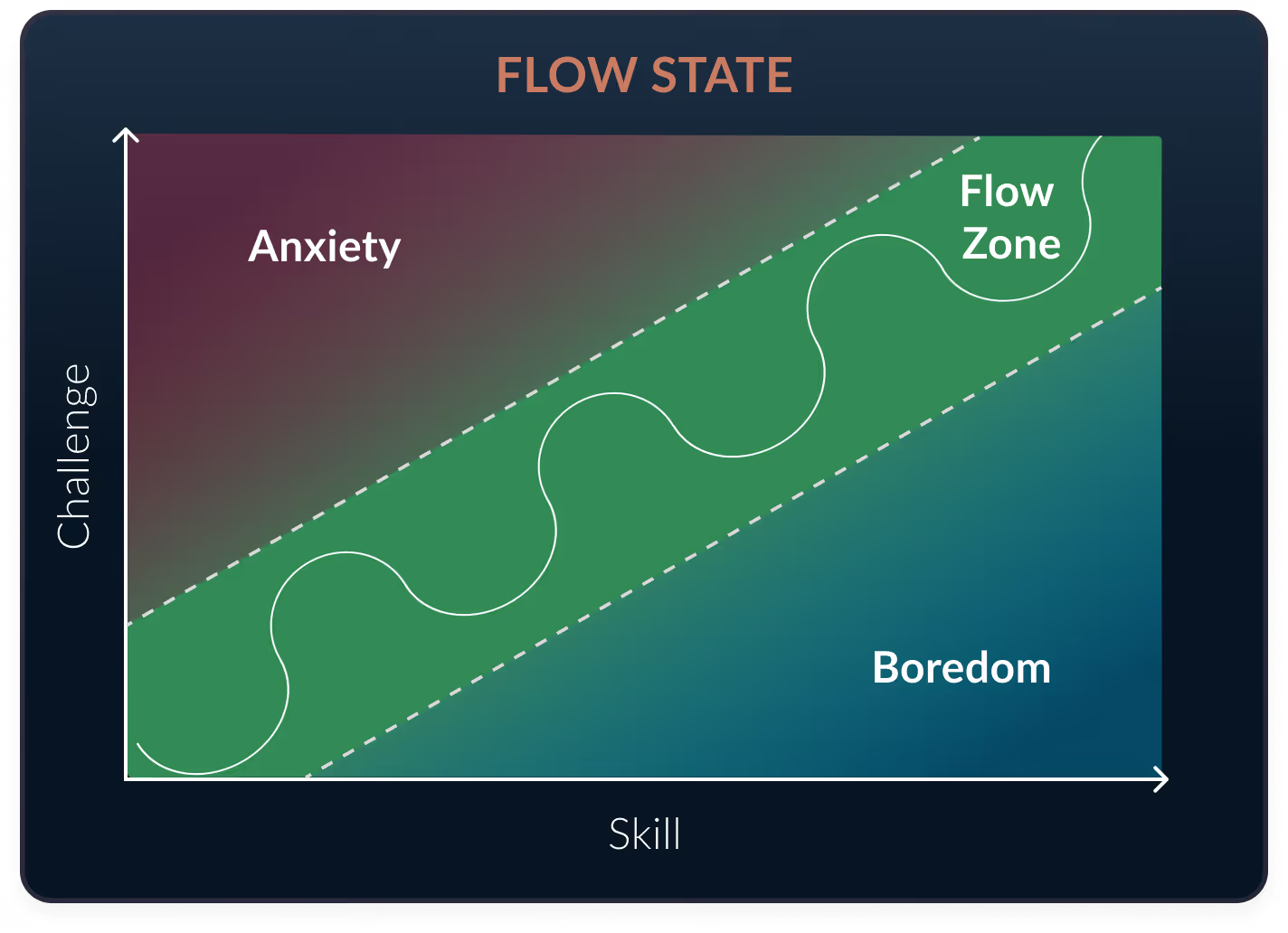
Traditional music instruction can unintentionally disrupt both just-in-time learning and flow. Theory is often introduced before students have a practical framework to apply it, while repetitive drills may fail to adjust to individual ability levels. The result is a mismatch between challenge and skill, leading to either boredom or discouragement.
By contrast, an approach centered on timely instruction and balanced difficulty encourages curiosity and resilience. Students develop technical skills alongside musical understanding, rather than treating them as separate goals. Over time, this builds not only competence but a stronger emotional connection to music itself.
These principles are especially relevant for sight-reading and foundational musicianship, where progress depends on repeated exposure to varied examples rather than memorization of isolated pieces. Practicing skills across diverse contexts helps learners generalize knowledge and apply it flexibly—an essential requirement for long-term musical growth.

Educational tools that incorporate just-in-time learning and flow aim to create environments where feedback is immediate, difficulty adapts naturally, and learning remains active. When students receive guidance exactly when mistakes occur, correction becomes part of the learning process rather than a delayed interruption.
Some modern music platforms, including MuseFlow, attempt to apply these principles by structuring practice around adaptive challenges and continuous feedback rather than static lesson plans. In this context, technology serves as a facilitator—not a replacement for teachers—by handling repetitive skill reinforcement so educators can focus on interpretation, expression, and musicality.
Importantly, the effectiveness of this approach depends less on specific features and more on the underlying pedagogy: learning through engagement, timely instruction, and sustained motivation.
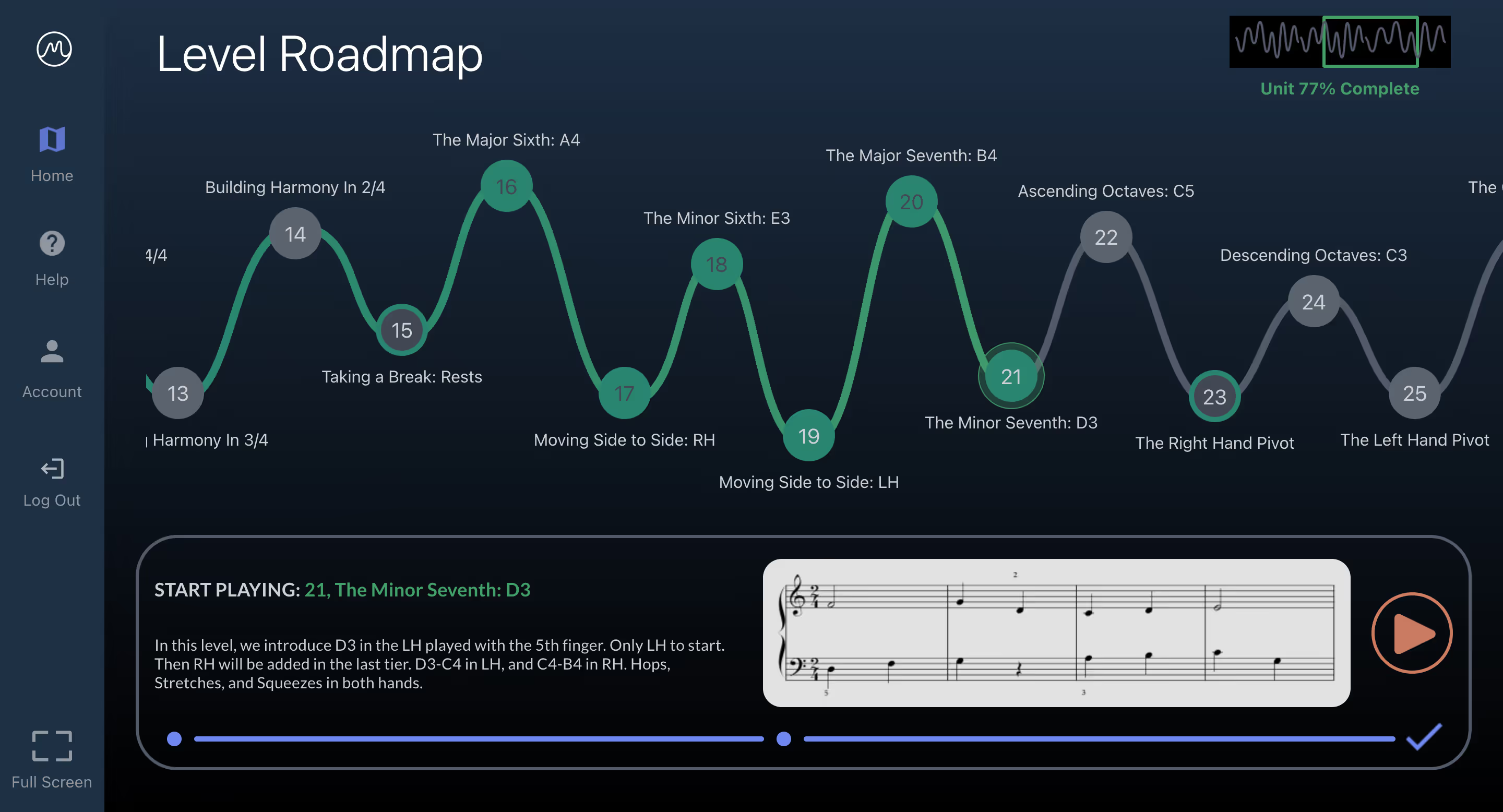
Just-in-time learning and flow state offer a framework for addressing long-standing challenges in music education. They align instruction with how learners naturally acquire skills—through action, feedback, and incremental challenge—rather than through abstraction alone.
Whether applied through digital tools, restructured lesson plans, or individualized practice strategies, these principles help learners stay engaged, build confidence, and experience music as a meaningful, enjoyable pursuit. As music education continues to evolve, approaches grounded in learning science offer a path toward deeper, more enduring musical development.

Many music teachers share the same quiet frustration: beginners start with enthusiasm, but progress slows, motivation drops, and practice becomes a chore. This isn’t usually due to a lack of talent or effort. More often, it’s a mismatch between how students are taught and how the brain learns best—especially in the early stages.
Two concepts sit at the center of this problem and its solution: sight reading and flow state. When thoughtfully combined, they can dramatically change how beginners experience music learning.

Sight reading is often treated as a secondary skill—something to “pick up along the way.” Yet research and pedagogy consistently show that fluent sight reading supports faster learning, better retention, and stronger overall musicianship. When students can decode music efficiently, they free up mental capacity to focus on rhythm, expression, and musical meaning rather than basic note recognition.
Many traditional approaches can unintentionally overemphasize song repetition. Students may master a piece through memorization, but the underlying skills don’t always transfer to new material. Educational research on skill transfer shows that abilities developed in narrow contexts are less likely to generalize unless practiced across varied examples. This explains why some students struggle when introduced to unfamiliar music, even after “learning” several songs.

As repertoire difficulty increases, this gap becomes more noticeable. Students may spend long hours repeating the same passage, not because it is musically engaging, but because it sits just beyond their current reading ability. Practice becomes either frustratingly hard or mechanically easy—rarely satisfying.
This imbalance directly impacts motivation. Studies on learner engagement consistently show that progress stalls when tasks feel either overwhelming or monotonous. What’s missing is the optimal zone where effort feels meaningful and progress feels visible.
Psychologist Mihaly Csikszentmihalyi introduced the concept of flow state to describe a mental condition of deep focus and enjoyment that occurs when challenge and skill are closely matched. In learning environments, flow is associated with increased persistence, better performance, and intrinsic motivation.
For beginners, flow doesn’t come from perfect execution—it comes from appropriate difficulty. When tasks are structured so that success is frequent but not guaranteed, students stay engaged longer and develop confidence alongside competence. In music education, this means presenting material that continuously adjusts to the learner’s evolving skill level.

When sight reading becomes the primary vehicle for learning, it naturally supports flow. Encountering fresh, level-appropriate material encourages adaptability and pattern recognition rather than rote repetition. Educational psychology refers to this as learning within the zone of proximal development—where students are challenged just enough to grow without becoming discouraged.
Instead of repeating a single piece to exhaustion, students reinforce a skill across multiple contexts. This strengthens transfer, accelerates reading fluency, and keeps practice cognitively engaging.
Modern learning tools can help operationalize these principles. Platforms like MuseFlow apply flow-based pedagogy by delivering a steady stream of new, manageable music calibrated to the learner’s accuracy and consistency. Rather than framing this as “replacing” instruction, it functions as structured skill reinforcement outside the lesson.
From a teaching perspective, this shifts the role of technology from content delivery to practice optimization. Data such as accuracy trends and time-on-task provide insight into how students practice between lessons—information that’s traditionally difficult to capture reliably.
When technical skill-building is reinforced efficiently during independent practice, lesson time can be used differently. Teachers can focus more on musical interpretation, phrasing, tone, and emotional expression—the elements that truly define artistry.
This approach aligns with blended learning models in education, where technology supports foundational skill acquisition while educators guide higher-order thinking and creative application.
For beginners, combining sight reading with flow-oriented progression creates a positive feedback loop: effort feels rewarding, progress feels visible, and motivation sustains itself. Skills develop broadly rather than narrowly, reducing frustration as music becomes more complex.
Ultimately, empowering students isn’t about abandoning tradition—it’s about refining it with insights from cognitive science and pedagogy. When learning feels engaging and achievable, both teachers and students benefit.
One of the biggest challenges piano learners face—especially beginners and self-directed students—is knowing whether they are practicing correctly. Unlike reading or watching a tutorial, piano practice happens in real time, and mistakes in pitch, rhythm, or timing can easily go unnoticed. Over time, these errors become habits, slowing progress and increasing frustration.
This is where real-time feedback has become increasingly important in modern piano learning. Instead of waiting for a weekly lesson or relying on guesswork, learners receive immediate information about what they played correctly and what needs adjustment. Educational research consistently shows that timely feedback accelerates skill acquisition and improves retention, particularly in complex motor tasks such as music performance.

In traditional practice, feedback is often delayed. A learner might repeat an exercise dozens of times before discovering a mistake. According to research in motor learning and music pedagogy, delayed correction makes errors harder to unlearn and reduces overall efficiency.
Immediate feedback, by contrast, helps the brain link action and outcome while neural pathways are still forming. This principle is widely supported in educational psychology and has been applied successfully in language learning, athletics, and music education.
Another problem with conventional piano practice is disengagement. Repeating static drills can feel mechanical, especially when learners are unsure whether the repetition is productive. Studies on learner motivation show that engagement increases when feedback is clear, specific, and tied directly to performance outcomes.
When feedback is visual or auditory and delivered instantly, learners remain focused on the task rather than worrying about evaluation later. This reduces cognitive overload and allows attention to stay on reading, timing, and coordination.
Psychological research on flow states—a condition where challenge and skill are well balanced—suggests that learners are more likely to remain engaged and sustain practice when tasks are neither too easy nor too difficult.
In music learning, flow is especially valuable. When difficulty adjusts appropriately and feedback is continuous, practice becomes immersive rather than exhausting. Time perception fades, frustration decreases, and learners are more likely to practice consistently.
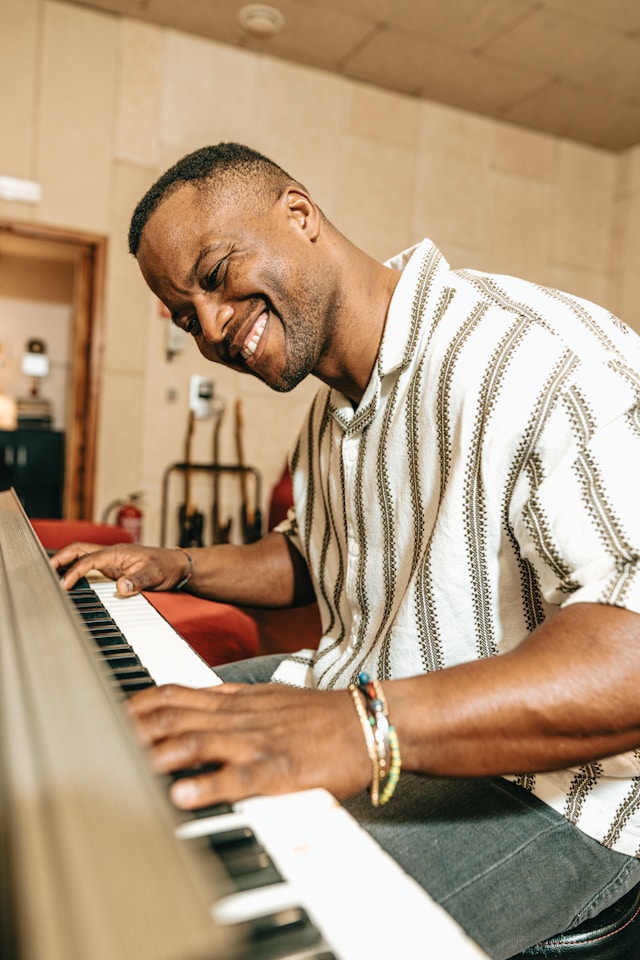
While engagement is important, accuracy remains essential. Piano learning depends on precise timing, rhythm control, and pitch recognition. Research in music cognition shows that early reinforcement of correct responses leads to stronger long-term performance outcomes than later correction
Real-time feedback supports this precision by correcting errors at the moment they occur. Instead of reinforcing incorrect fingerings or rhythms, learners adjust immediately, which improves technical stability and reading fluency over time.
Learners progress at different speeds. Fixed lesson paths often move too quickly for some and too slowly for others. Adaptive learning systems, which respond to performance data rather than predefined schedules, have been shown to improve persistence and learning efficiency in adult education contexts.
In piano learning, personalization means spending more time on weak areas and less on skills already mastered. Feedback-driven systems naturally support this by highlighting recurring issues and adjusting difficulty accordingly.
MuseFlow is one example of a piano learning platform that applies these principles. Its real-time, color-coded feedback shows pitch and timing accuracy as learners play, reducing uncertainty during practice. Instead of relying on delayed evaluation, learners receive continuous guidance while reading music.
The system also emphasizes sight reading through never-repeating exercises, which encourages true reading ability rather than memorization. Difficulty adjusts based on performance, helping learners remain in a productive challenge range rather than becoming bored or overwhelmed.
Importantly, these features are not valuable because they are “gamified,” but because they align with established learning science: immediate feedback, adaptive difficulty, and consistent exposure to new material.
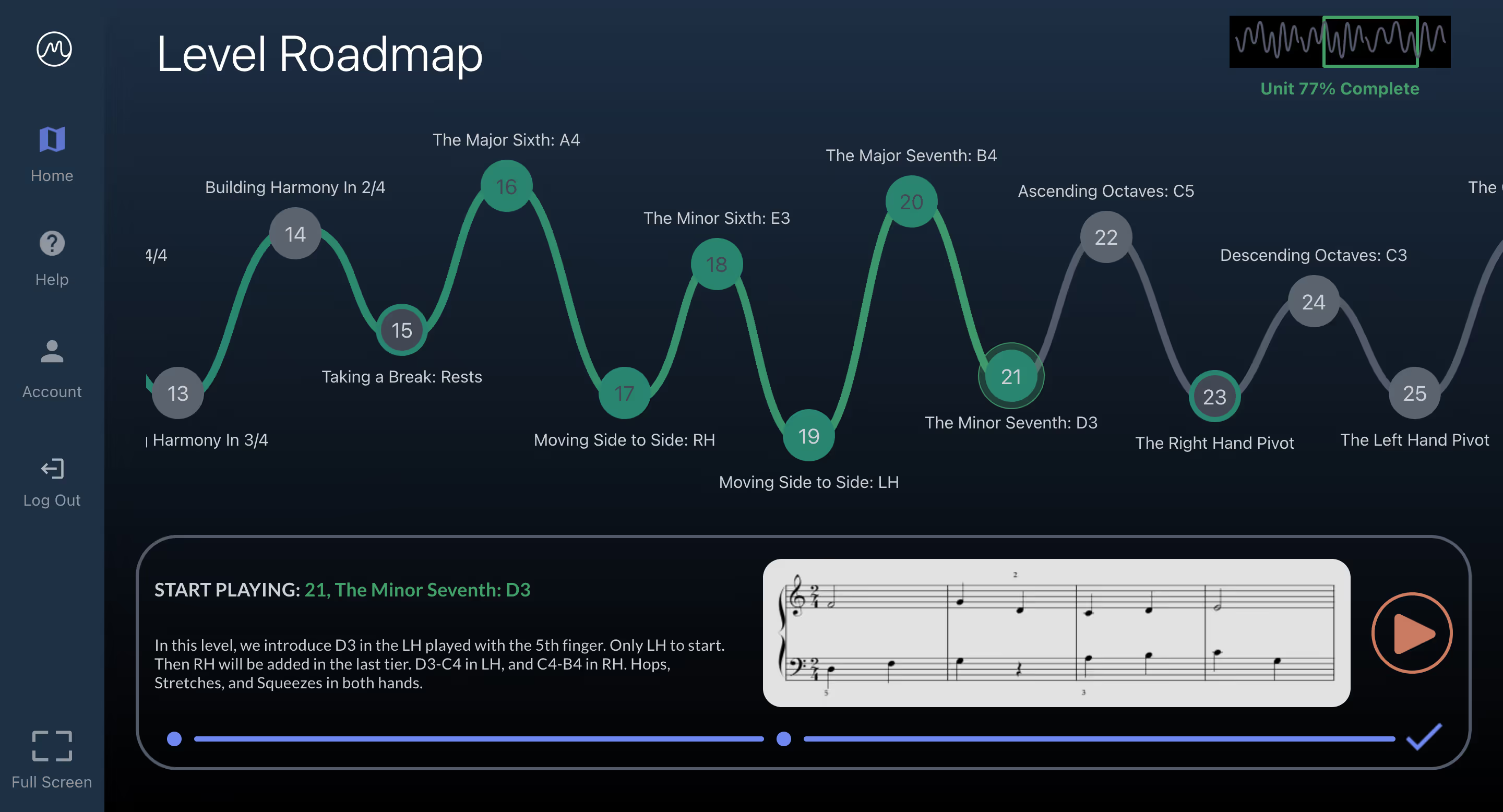
The real benefit of real-time feedback in piano practice is sustainability. When learners understand what they are doing correctly and why they are improving, practice becomes more intentional and less stressful. Short, focused sessions become effective, which is especially important for adults balancing music with work and family responsibilities.
Rather than replacing traditional instruction, feedback-based tools complement it by filling the gaps between lessons and supporting independent practice.
Effective piano learning is not about practicing longer—it is about practicing with clarity. Real-time feedback reduces uncertainty, strengthens foundational skills, and keeps learners engaged over the long term. When combined with structured progression and thoughtful difficulty adjustment, it turns practice into a focused, rewarding experience.
For learners seeking more consistency and confidence in their practice, tools like MuseFlow demonstrate how feedback-driven design can support meaningful musical progress—without sacrificing accuracy or depth.

Can you learn piano without a teacher? It’s a common question among adults who are interested in music but constrained by time, cost, or scheduling limitations. Traditional piano instruction has long relied on weekly lessons with an instructor, yet many learners practice alone for most of the week. This gap between lessons often determines whether progress continues or stalls.
Learning piano independently is possible, but it is not effortless. Success depends on how practice is structured, how mistakes are corrected, and whether the learner receives feedback at the right time. Understanding these factors helps clarify when self-directed learning can be effective and where technology can play a supportive role.

Qualified piano teachers provide structure, accountability, and expert feedback. They help learners correct posture, timing, and musical interpretation—elements that are difficult to self-diagnose. However, even with instruction, most learning happens during individual practice sessions.
Independent learners often struggle during this phase. Without feedback, mistakes in rhythm or note accuracy can become habits. Adult learners, in particular, report uncertainty about whether they are improving, which can lead to frustration or inconsistent practice. This is where self-learning methods frequently break down—not because instruction is unnecessary, but because guidance is absent when it is most needed.
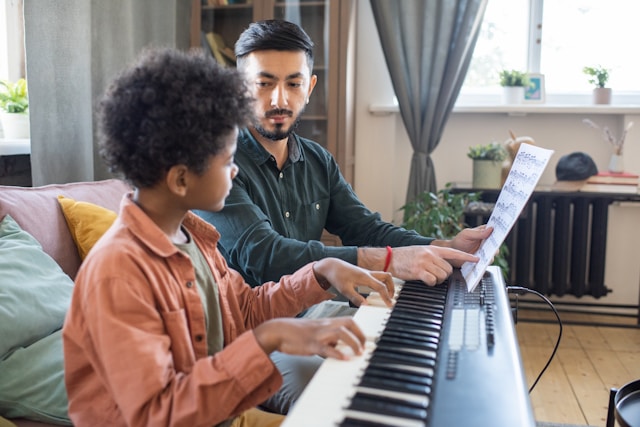
Educational research on skill acquisition consistently emphasizes the importance of immediate feedback. When learners receive timely correction, they adjust technique more effectively and avoid reinforcing errors. In music learning, this applies directly to pitch accuracy, rhythm, and coordination.
Digital learning tools attempt to address this gap by providing real-time feedback during practice. When software can detect played notes and timing, learners gain clarity about what went wrong and where. This does not replace the musical insight of a teacher, but it can support independent sessions by offering consistent, objective feedback.
MuseFlow is one example of a platform that applies this principle by using MIDI input to visualize accuracy during practice. The broader concept—feedback during practice rather than after—is what matters most.

Many beginner approaches emphasize memorizing songs early, which can feel rewarding but often limits long-term growth. Sight reading, by contrast, develops the ability to interpret unfamiliar music in real time. Research in music education has shown that stronger sight reading skills are associated with broader repertoire access and higher overall musical proficiency.
Effective self-learning platforms place sight reading at the center of instruction rather than treating it as an optional skill. Regular exposure to unfamiliar but manageable material helps learners develop fluency instead of pattern memorization. This approach supports independence by allowing musicians to learn new music without relying on demonstrations or recordings.
Consistency matters more than intensity when learning piano. Adult learners often benefit from short, focused sessions rather than long practice blocks. Engagement helps sustain these habits, but excessive gamification can distract from musical fundamentals.
Psychological research on flow states—a condition where challenge and skill are well balanced—suggests that learners are more likely to remain engaged and stay motivated when tasks are neither too easy nor too difficult. Some learning platforms incorporate progress indicators or adaptive difficulty to help maintain this balance. When applied carefully, these features can encourage regular practice without turning learning into a distraction-driven experience.
For many self-directed learners, maintaining motivation over time is just as important as choosing the right practice tools, especially when progress feels slow or uneven. Strategies for staying motivated when learning piano gets tough can help learners remain consistent through challenging phases.
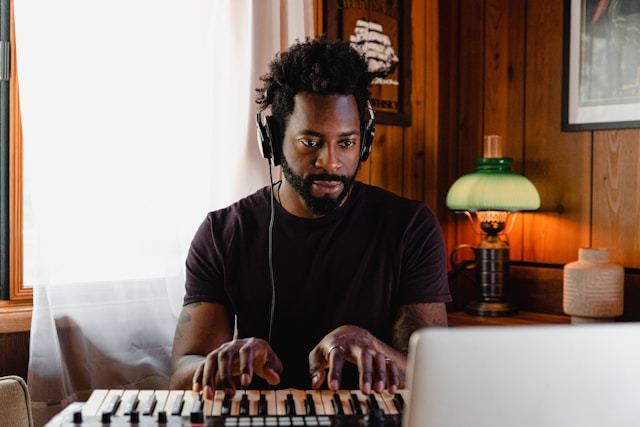
Self-directed learners vary widely in background, goals, and available time. Rigid lesson sequences can discourage persistence, while completely unstructured practice often lacks direction. Adaptive learning systems attempt to balance these extremes by offering guided progression alongside flexibility.
Platforms such as MuseFlow illustrate how structured curricula and optional exploration can coexist. Learners can follow a defined path or revisit earlier material as needed. This type of design aligns with adult learning research, which shows that autonomy and visible progress improve long-term retention
Learning piano without a teacher is possible, but it requires more than access to exercises. Effective self-learning depends on feedback, structured progression, sight reading development, and consistent practice habits. Teachers remain invaluable for musical depth and interpretation, yet technology can support learners during independent practice by addressing common gaps.
Digital platforms are not replacements for instructors, but when designed around established learning principles, they can make self-directed piano learning more accessible, structured, and sustainable over time.
Learning piano is rarely limited by talent. For most beginners and returning learners, the real challenge is consistency. Practice routines often feel repetitive, progress can be hard to measure, and mistakes go unnoticed until they become habits. Over time, motivation fades—not because learners don’t care, but because the practice structure doesn’t support sustained engagement.
In recent years, music educators and learning researchers have started exploring gamification as a way to address these problems. When applied carefully, gamification doesn’t turn music into a game—it turns practice into a clearer, more responsive learning process

Conventional piano practice relies heavily on repetition with delayed feedback. A student may play through exercises or pieces multiple times before realizing that timing, fingering, or note accuracy was incorrect. Research on motor learning consistently shows that immediate feedback is critical for preventing error reinforcement, especially in early skill development.
Another issue is memorization. While memorizing repertoire has value, it can mask weaknesses in music reading and rhythmic processing. Learners may feel they are improving when, in reality, they are relying on familiarity rather than skill transfer.

Gamified learning environments work best when they align with established cognitive principles rather than superficial rewards. Effective systems typically include:
These conditions closely match what psychologists describe as a flow state, where challenge and skill remain balanced and attention stays high. Studies in educational psychology show that learners are more likely to remain engaged and persist when tasks are neither too easy nor too difficult, and when progress is visible.
In music education, this balance is particularly important because sight reading, rhythm, and coordination develop through exposure to new material rather than repetition of the same passages.
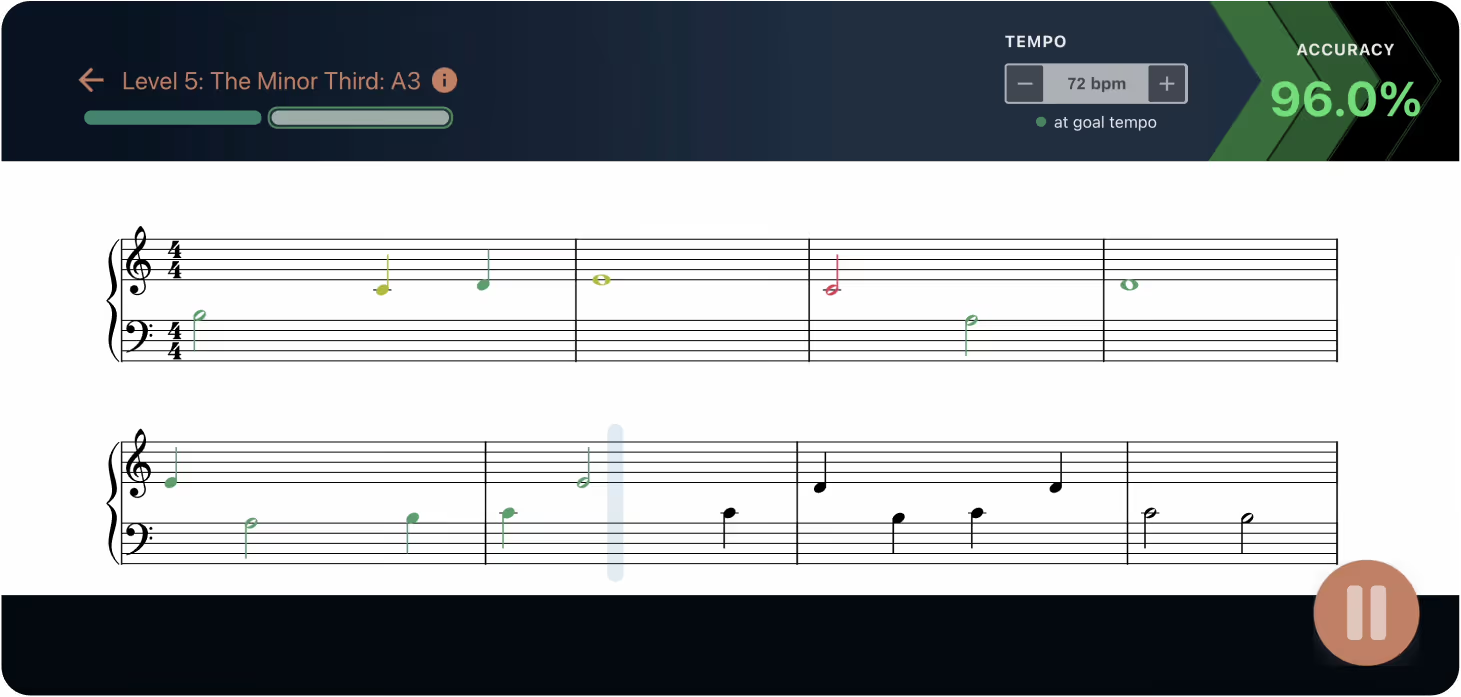
One of the strongest arguments for structured, feedback-driven practice is its impact on sight reading. Research in music pedagogy indicates that high-volume exposure to unfamiliar notation is one of the most effective ways to improve reading fluency. When learners repeatedly encounter new patterns, they are forced to process pitch and rhythm in real time instead of relying on memory.
Platforms such as MuseFlow are built around this principle. Rather than focusing on learning songs through repetition, the system emphasizes continuous exposure to new material with instant visual feedback on pitch and timing. This approach encourages active reading and faster error correction, which are essential for long-term skill development.
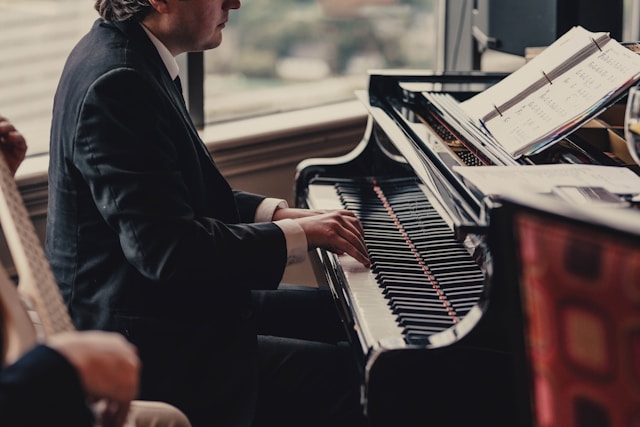
Another advantage of modern practice tools is adaptive challenge. When difficulty adjusts dynamically, learners spend less time feeling overwhelmed or bored. This mirrors findings from adult learning research, which show that adaptive systems can improve persistence and learning efficiency when compared to fixed schedules.
At the same time, autonomy matters. Some learners prefer a structured progression, while others benefit from exploring specific skills or repertoire. A hybrid approach—offering guidance without forcing a rigid path—supports different learning styles while maintaining pedagogical integrity.
When designed around learning science rather than marketing, gamified piano practice can support:
These gains are most noticeable when learners prioritize accuracy and consistency over speed. Pressure-free practice focused on steady improvement tends to produce better retention than perfection-driven repetition.
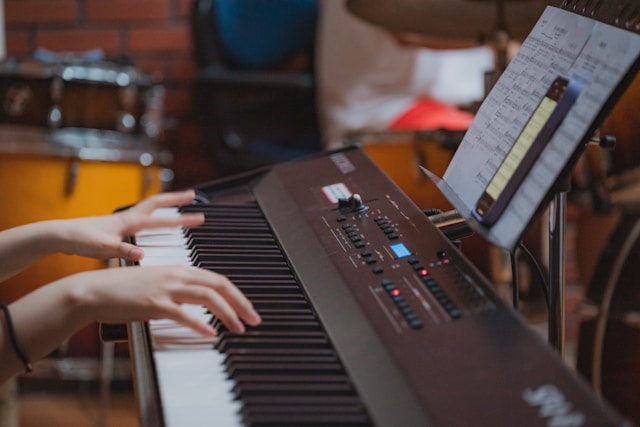
Gamification is not a shortcut, and it does not replace thoughtful instruction. Learning piano still requires attention, patience, and deliberate effort. What changes is the quality of feedback and structure, which helps learners stay aligned with effective practice behaviors.
When practice systems emphasize responsiveness, progression, and variety, learners are less likely to stall or disengage. Over time, this leads to more reliable skill development and a healthier relationship with practice itself.
Gamifying piano practice is not about making music trivial or turning learning into entertainment. It is about designing practice environments that reflect how people actually learn complex skills. By combining immediate feedback, adaptive challenge, and continuous exposure to new material, learners can build stronger foundations and maintain motivation over the long term.
Used thoughtfully, tools like MuseFlow represent a shift away from passive repetition and toward intentional, feedback-driven learning—a direction that aligns closely with both educational research and real-world teaching experience.
Learning piano as a complete beginner often feels overwhelming—not because piano is unusually hard, but because beginners are rarely taught how skills are built. Many people quit not due to lack of talent, but due to ineffective practice structures, delayed feedback, and unclear progress markers.
If you want to learn piano efficiently, the real answer isn’t a shortcut or a trick. It’s understanding how musical skills develop and designing your practice around that reality.
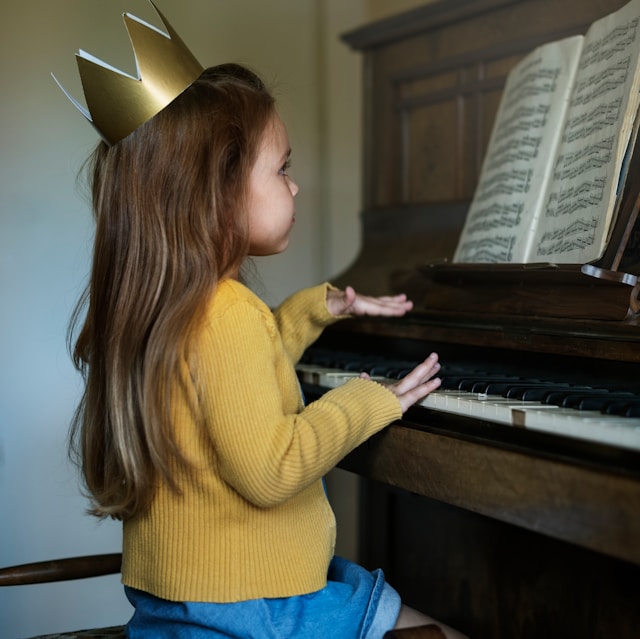
Most traditional piano learning struggles with three structural problems — challenges that don’t match what music learners really want and need as they begin their journey.
Delayed feedback
Practicing incorrectly for days before receiving correction makes it easy to reinforce mistakes. When feedback is slow, your brain struggles to connect cause and effect.
Cognitive overload
Beginners are often asked to juggle notes, rhythm, fingering, posture, and expression all at once. This overwhelms working memory and slows progress.
Lack of visible progress
Without clear milestones, practice feels disconnected from improvement. Motivation drops when effort doesn’t feel rewarding.
These aren’t motivation problems. They’re learning design problems.
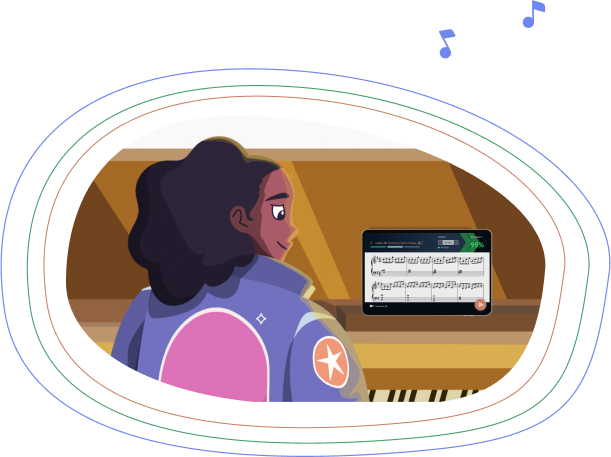
Effective piano learning follows predictable principles:
Small, repeatable challenges
Progress happens fastest when tasks are slightly challenging but consistently achievable. Jumping too far ahead creates frustration; staying too easy causes stagnation.
Immediate correction
The closer feedback is to the action, the faster the brain adjusts. This applies whether you’re working with a teacher, software, or self-review.
Pattern recognition
Music is not memorization of individual notes. It’s recognition of patterns—intervals, rhythms, chord shapes, and hand positions.
When practice aligns with these principles, progress accelerates naturally.
Sight reading is often treated as an advanced skill, but in reality, it’s foundational. Learning to read music early builds musical independence and removes reliance on memorization.
For beginners, sight reading:
Think of sight reading like learning to read words instead of memorizing sentences. It unlocks flexibility and confidence.

Effective beginner practice isn’t about long sessions—it’s about smart structure.
Short, focused sessions
Fifteen to thirty minutes of deliberate practice is more effective than unfocused hours.
Clear goals per session
Each session should answer: What skill am I improving today?
Consistent difficulty scaling
As skills improve, difficulty should increase gradually. This keeps practice engaging without becoming overwhelming.
Practicing this way builds momentum instead of burnout.
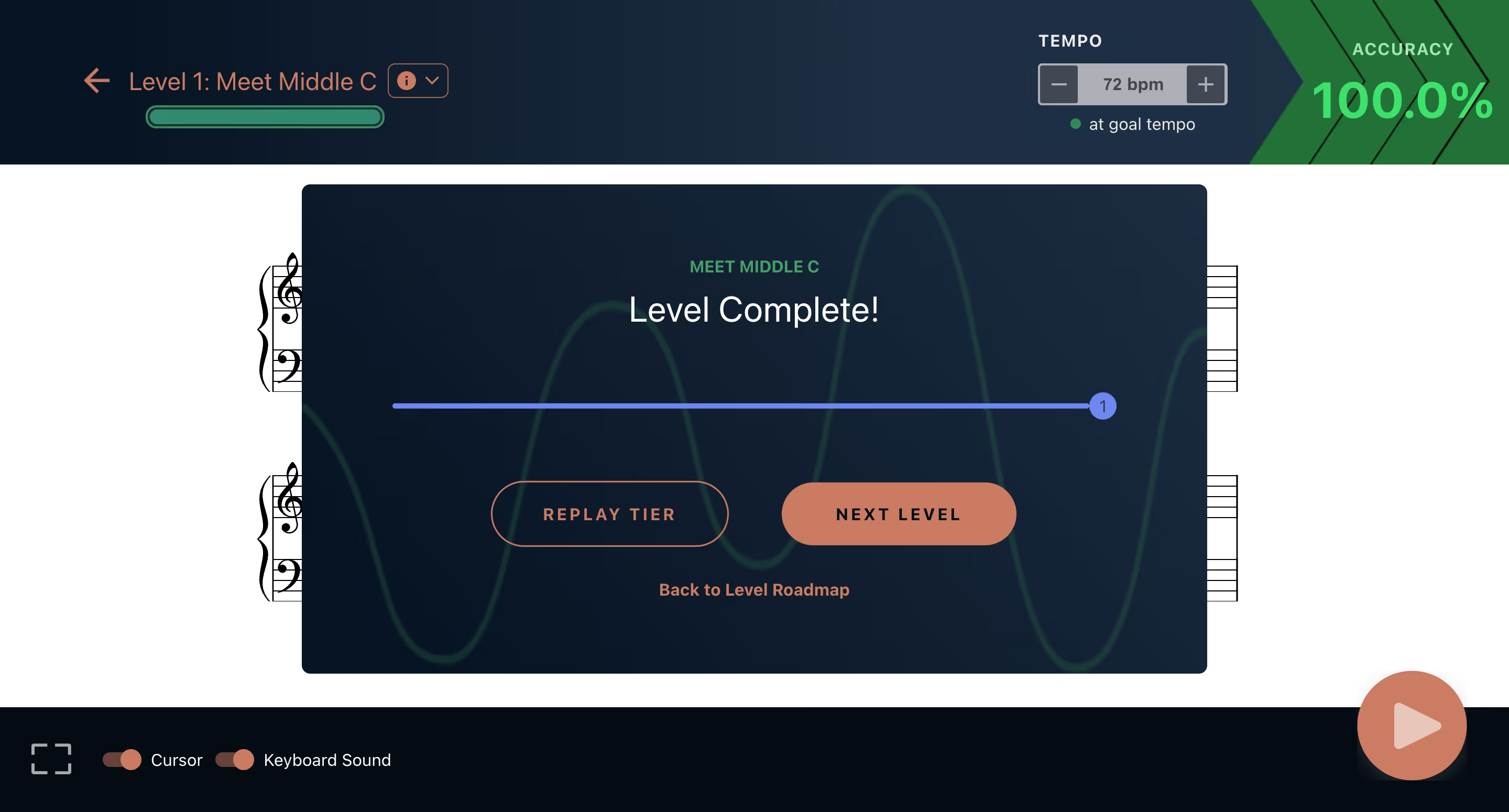
Sustainable motivation doesn’t come from forcing discipline—it develops when learners can clearly see that today’s practice led to real improvement. When progress is visible, motivation becomes intrinsic and practice shifts from obligation to something genuinely rewarding.
Across real learning journeys, this is often the point where beginners enter periods of deep focus, where effort feels natural and time passes quickly. These flow states aren’t mysterious; they emerge when challenge and skill are closely aligned and the learner feels capable, not pressured.

Beyond technical skills, piano learning improves creative thinking and emotional regulation. Playing music provides a structured outlet for expression and stress relief.
It also encourages connection—whether through sharing progress, collaborating with others, or simply communicating emotion through sound. These benefits compound over time and reinforce long-term engagement.
Today, learners have access to tools that provide real-time feedback, structured progression, and adaptive difficulty. When used thoughtfully, these tools can support effective practice habits—especially for beginners practicing independently.
Platforms like MuseFlow are designed to reinforce core learning principles such as immediate feedback, gradual difficulty scaling, and early skill literacy. While no tool replaces intentional practice, the right support can make learning more structured and less frustrating.
Learning piano efficiently isn’t about finding the “fastest” method—it’s about removing friction from the learning process.
Focus on:
When these elements align, progress follows naturally.
Piano is not reserved for the gifted or the disciplined. With the right structure, beginners can build real musical ability—and enjoy the process along the way.
Learning piano can feel overwhelming for beginners: tedious scales, repetitive exercises, and slow progress often lead to frustration. Recent advances in digital music education offer a new approach: applying principles from game design to piano learning. By structuring lessons around sight reading mastery, immediate feedback, and progressive challenges, learners can develop real musical skills while staying motivated.
This article explores how game-like learning works in piano education and how it can complement traditional instruction.

Game-like learning leverages psychological principles that enhance motivation and skill acquisition:
Unlike traditional apps that focus on memorizing songs, effective game-like piano lessons center on sight reading:
Studies indicate that proficient sight readers exhibit better integration of musical skills and understanding. Structuring lessons around sight reading turns practice into a skill-building game rather than a repetitive drill
Game-inspired lesson design often combines structured progression with learner choice:
Both approaches reinforce real musical achievement rather than superficial progress. Every completed level corresponds to measurable skill improvement.
Integrating digital tools with a MIDI keyboard enables instant feedback:
Research supports that such immediate, structured feedback improves retention and reduces error reinforcement.
By combining these strategies with sight reading exercises, learners steadily build transferable skills applicable to any musical style.

While testimonials provide anecdotal support, objective research validates these approaches:
Integrating these principles into practice produces measurable improvement, regardless of prior musical experience.
To begin a game-like piano learning journey:
This approach aligns practice with how the brain learns motor and cognitive skills, creating efficient and enjoyable lessons.
Game-like piano learning is more than a fun gimmick—it’s an evidence-based approach to mastering sight reading, technique, and musical literacy. By combining immediate feedback, structured progression, and intrinsic motivation, learners develop real musical skills while remaining engaged.
Structured, interactive lessons make every practice session meaningful. With consistent application, these methods can transform beginner frustration into confidence and genuine musical independence.
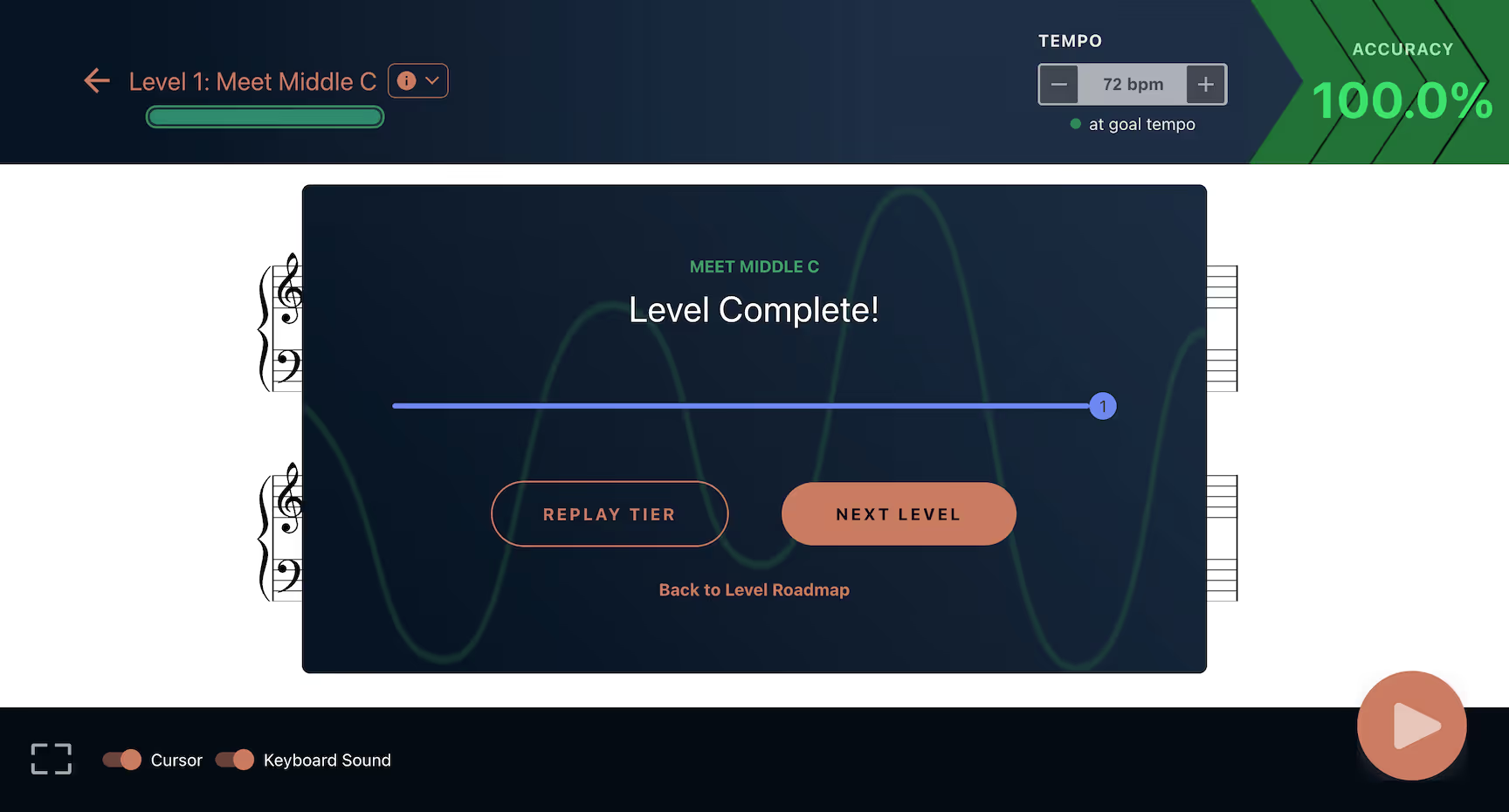

Keep up to date on our progress as we continue to add new features!