.svg)
Piano Sight Reading for Beginners:Daily Exercises to Read Music Faster
For beginners, piano sight reading often feels intimidating. Looking at a page of unfamiliar notes and playing them accurately in real time can seem like an advanced skill reserved for trained musicians. In reality, sight reading is not a talent—it is a trainable ability that improves with the right type of daily practice.
This guide outlines a practical, beginner-friendly approach to piano sight reading, focusing on short daily exercises that build real reading ability rather than memorization. The goal is not perfection, but steady improvement through consistent exposure and feedback.
What Sight Reading Really Is (and What It Isn’t)
Sight reading is the ability to interpret written music and play it accurately on the first attempt. It relies on three core skills working together:
- Note recognition – identifying pitch quickly on the staff
- Rhythm awareness – understanding timing and duration
- Pattern recognition – seeing intervals, chords, and shapes rather than single notes
What sight reading is not is memorizing pieces through repetition. While memorization can feel productive, it does little to improve reading ability. True sight reading develops when the brain repeatedly processes new material under manageable difficulty.
Music education research consistently shows that varied, unfamiliar material leads to stronger reading skills than repeating the same exercises until perfect.

A 15–20 Minute Daily Sight Reading Routine
Consistency matters more than duration. A focused daily session is far more effective than long, infrequent practice. The structure below is designed for beginners and adult learners.
1. Warm-Up: Build Confidence (3–5 minutes)
- Start with very easy material—something well below your maximum level. The purpose is to activate note recognition and coordination without stress. Aim for accuracy, not speed. This primes the brain for learning and reduces early frustration.

2. Core Practice: Learn in the “Challenge Zone” (10 minutes)
Move to music that is slightly challenging but still readable. Mistakes should happen occasionally, but not constantly. During this phase:
- Focus on one element at a time. Spend a few minutes prioritizing pitch accuracy, then shift attention to rhythm.
- Keep going even if you make small errors. Stopping repeatedly breaks musical flow and reduces learning efficiency.
- Use feedback—whether from a teacher, software, or self-recording—to correct mistakes immediately.
Learning science shows that immediate correction strengthens neural pathways more effectively than delayed feedback, especially in motor-based skills like music reading.
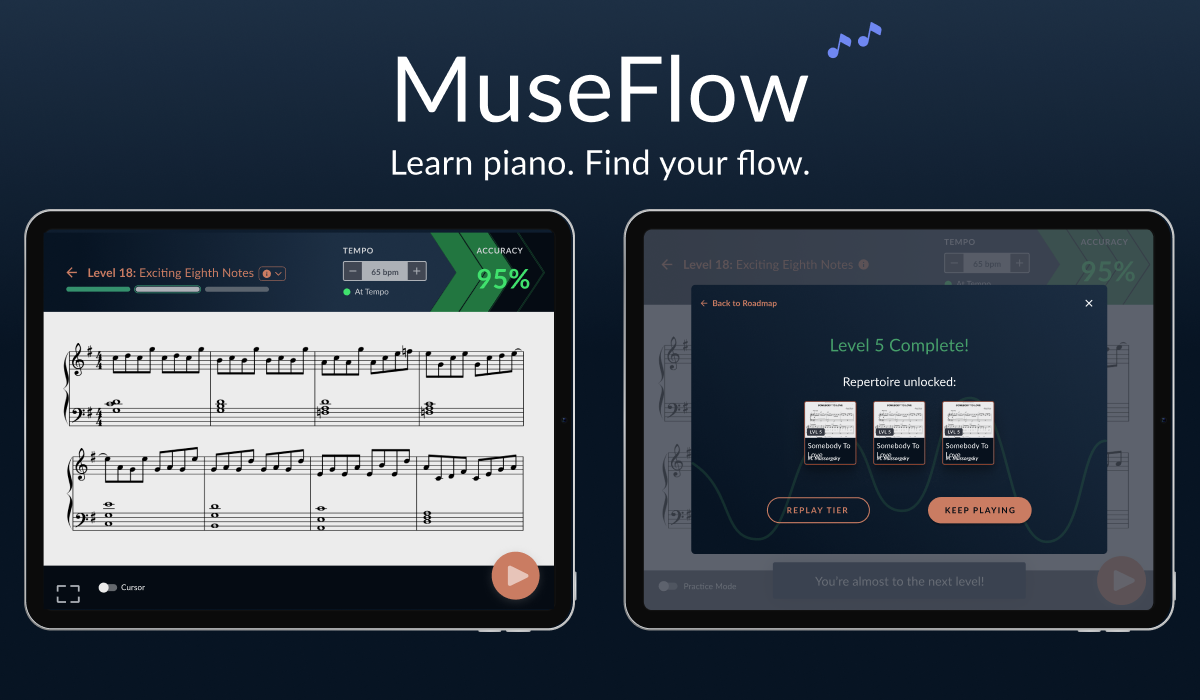
Tools that provide instant visual or auditory feedback, including modern digital trainers, can support this process when used intentionally. They are most effective when they encourage reading rather than repetition.

3. Cool-Down: Reinforce Motivation (2–5 minutes)
End your session with something enjoyable—either easier reading material or a simple piece you like. This reinforces positive associations with practice and improves long-term consistency.

Why This Approach Works
This routine is grounded in well-established principles of skill acquisition:
- Progressive difficulty builds ability without overload
- High exposure to new material strengthens reading speed and recognition
- Short, focused sessions reduce mental fatigue
- Balanced challenge supports sustained engagement
Psychological research on flow states shows that learners progress faster when tasks are neither too easy nor too difficult. This balance is especially important for adult beginners, who often quit due to frustration rather than lack of ability.
Avoiding Common Beginner Mistakes
Many beginners slow their progress unintentionally by:
- Practicing the same piece repeatedly instead of reading new material
- Stopping every time a mistake occurs
- Focusing only on notes while ignoring rhythm
- Advancing difficulty too quickly
Sight reading improves fastest when learners accept small imperfections and prioritize continuity over correctness.
Where Technology Fits In (Without Replacing Learning)
Digital tools and apps can support sight reading when they reinforce good habits—especially reading unfamiliar music, providing immediate feedback, and encouraging short daily sessions. Platforms like MuseFlow are designed around these principles, but no tool replaces consistent, thoughtful practice.
The method matters more than the medium.
.png)
Final Thoughts for Beginners
Sight reading is one of the most valuable skills a pianist can develop. It opens the door to learning new music independently and confidently. Progress may feel slow at first, but with daily, structured practice, improvement is inevitable.
Focus on consistency, accept imperfection, and trust the process. Over time, reading music will feel less like decoding and more like understanding a familiar language.






.jpg)