.svg)
Piano Chords for Beginners:The 12 Must-Know Chords to Play Any Song
Learning piano chords is one of the fastest ways to move from playing single notes to making real music. Chords form the harmonic foundation of nearly every song, and the good news is that beginners don’t need hundreds of them. By learning 12 essential piano chords, you can play or accompany thousands of songs across pop, rock, blues, folk, and classical music.
This guide focuses on practical, high-frequency chords that appear again and again in real music—not obscure theory that rarely gets used.

Why These 12 Chords Matter
Western music is built around predictable harmonic relationships. The chords below appear so often because they serve clear musical purposes:
- establishing a tonal “home,”
- creating movement,
- building tension, and
- resolving it.
Once these sounds become familiar, you’ll start recognizing them by ear, not just by name. More importantly, these chords provide a foundation for understanding harmony, chord progressions, and improvisation later on.

The 12 Must-Know Piano Chords
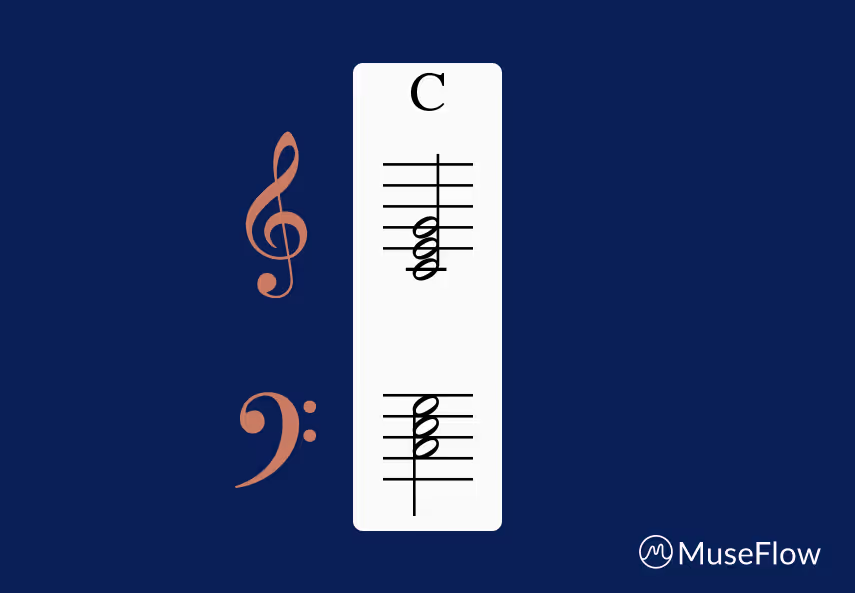
1. C Major (C-E-G)
One of the simplest and most important chords on the piano. C Major functions as the tonal center in the key of C and is often the first reference point for learning harmony.
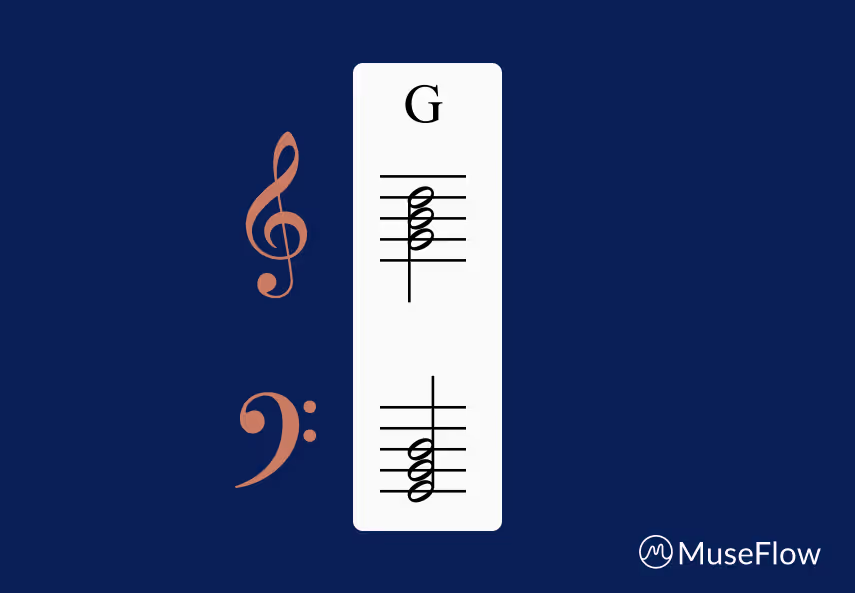
2. G Major (G-B-D)
Bright and stable, G Major commonly resolves back to C Major. This relationship introduces beginners to the concept of harmonic movement.
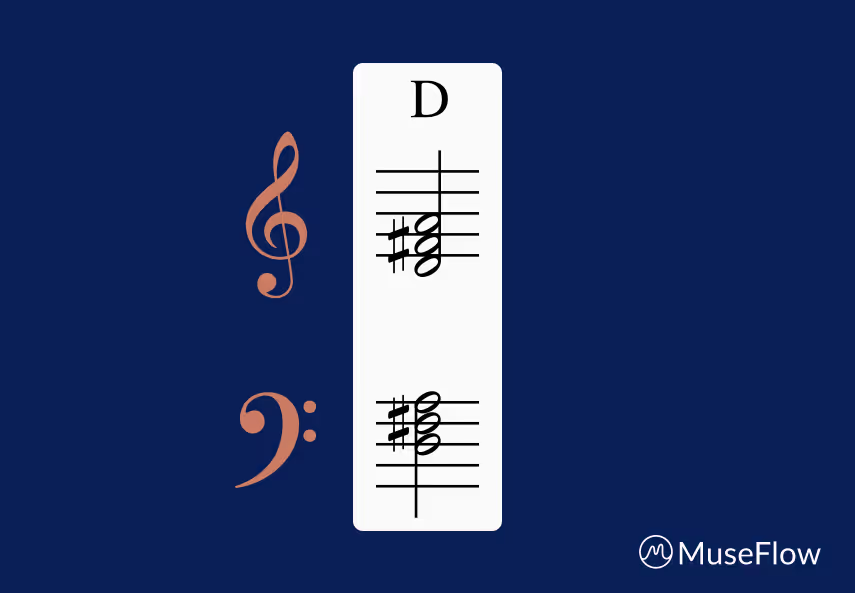
3. D Major (D-F#-A)
Your first encounter with sharps. D Major is widely used in pop and rock and helps solidify how black keys function within major chords.
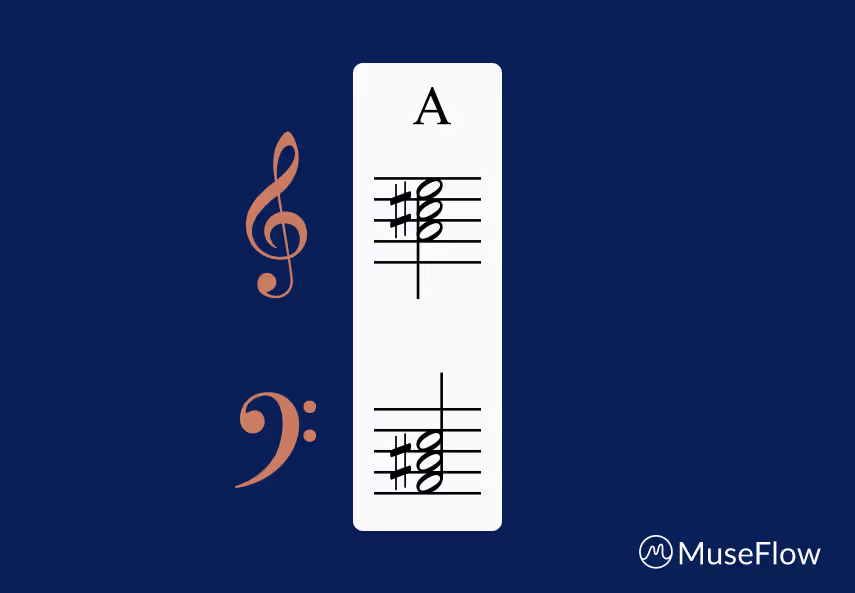
4. A Major (A-C#-E)
Warm and resonant, A Major appears frequently in folk, country, and rock music. It reinforces how chord shapes remain consistent across keys.
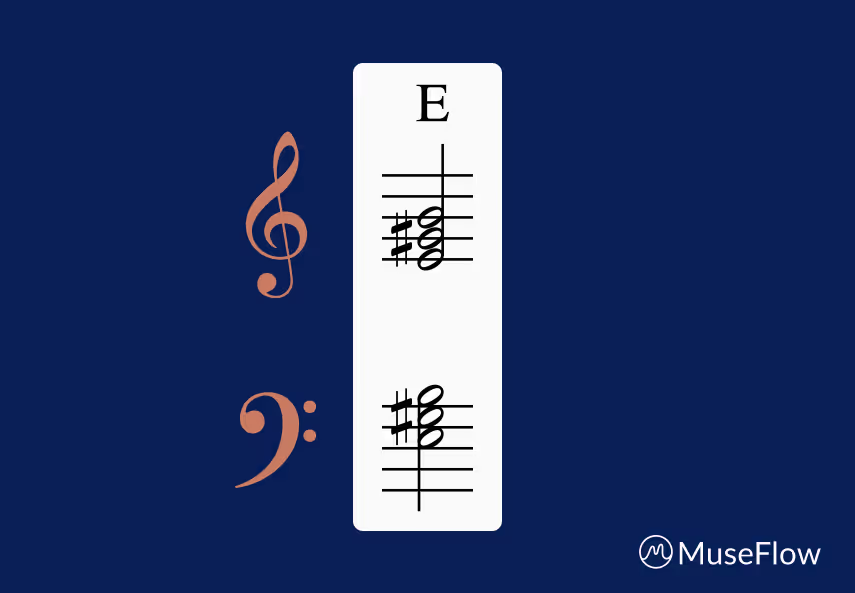
5. E Major (E-G#-B)
E Major is bold and assertive. It's commonly used in blues and rock progressions. This chord is essential for playing in the key of E and A.
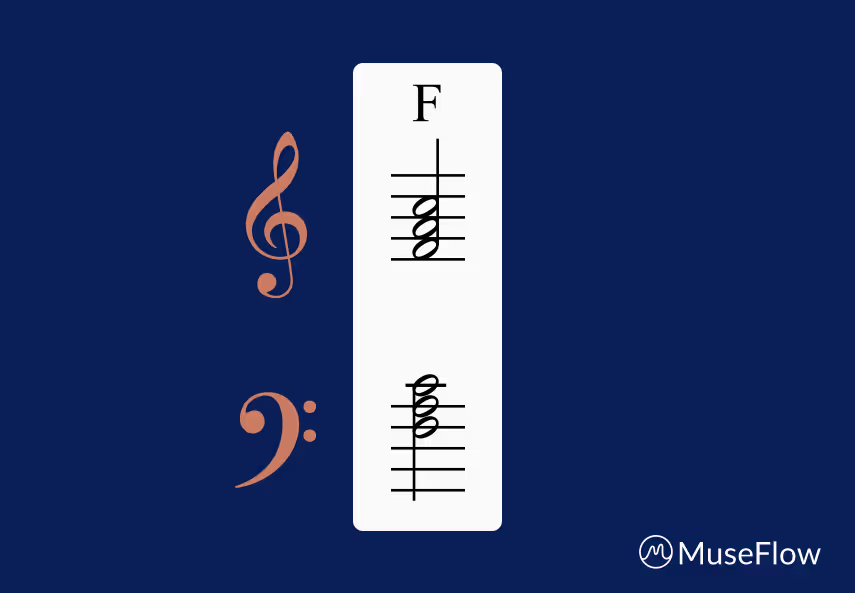
6. F Major (F-A-C)
F Major is slightly more challenging because it often requires a different hand position, but it's incredibly common. It has a smooth, mellow sound and is vital for playing in the key of C.
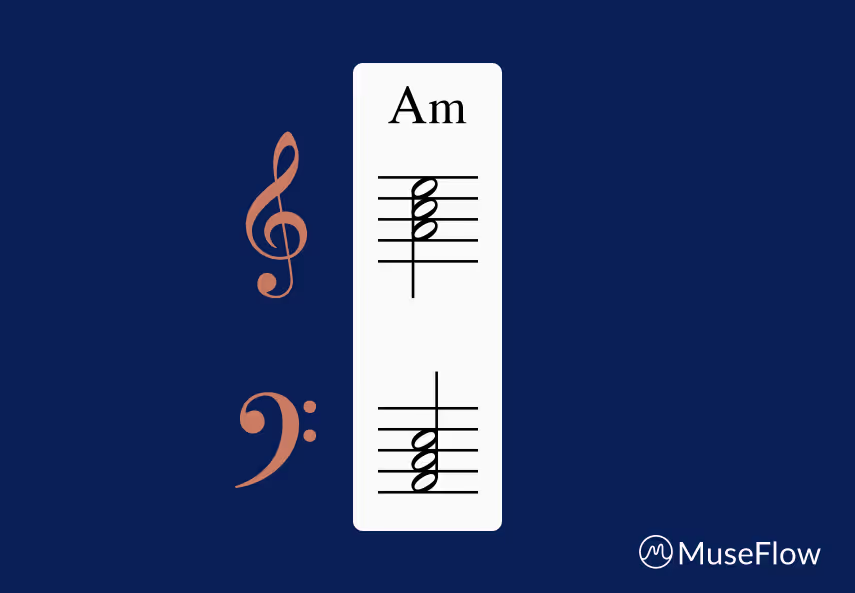
7. A Minor (A-C-E)
Now we enter the minor chords, which have a sadder, more introspective sound. A Minor is the relative minor of C Major, meaning they share the same notes but have a different tonal center. It's one of the most used minor chords.
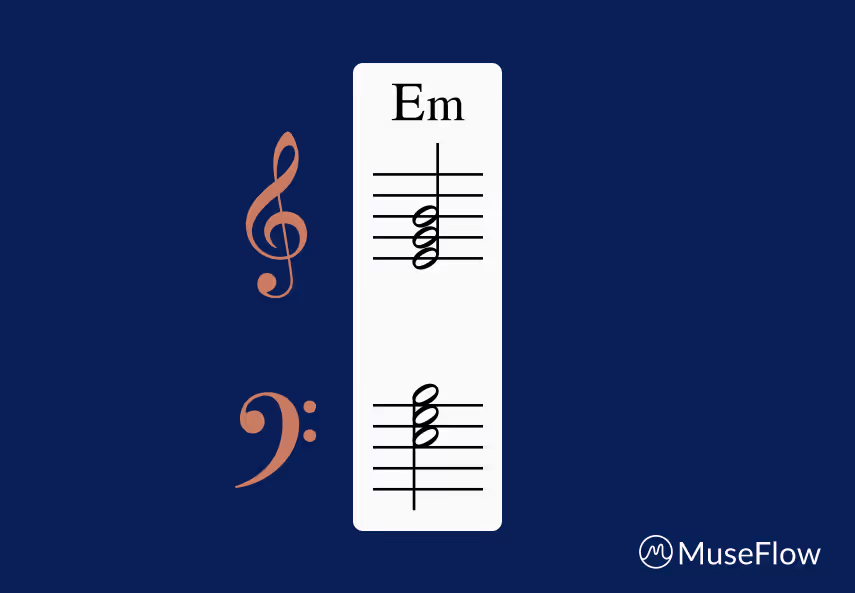
8. E Minor (E-G-B)
E Minor is hauntingly beautiful. It's all white keys, making it easy to play, and it's used extensively in ballads and emotional pieces.
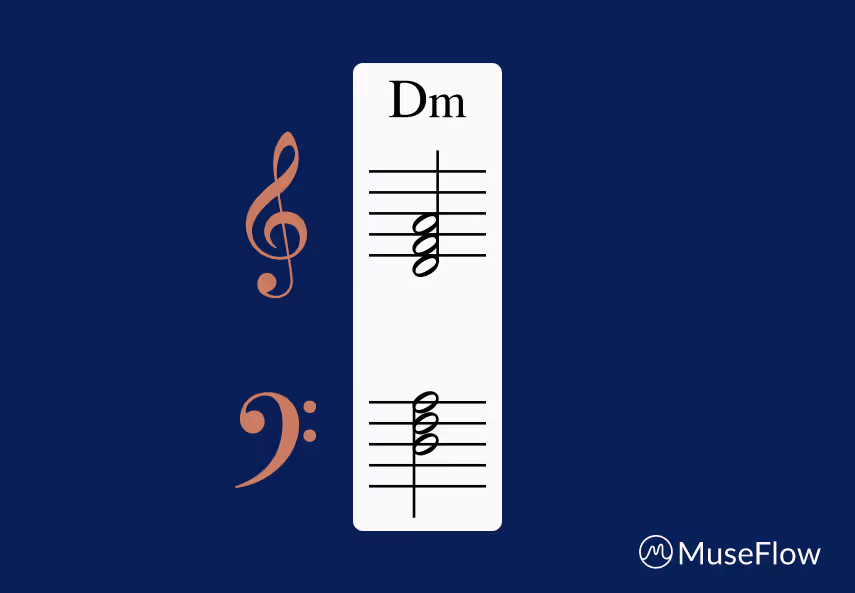
9. D Minor (D-F-A)
D Minor has a melancholic, dramatic quality. It's often used in classical music and adds depth to chord progressions.
10. B Diminished (B-D-F)
This is a special chord. Diminished chords have a tense, unresolved sound that creates movement in music. B Diminished is the most common diminished chord for beginners and is essential for understanding how chords function.
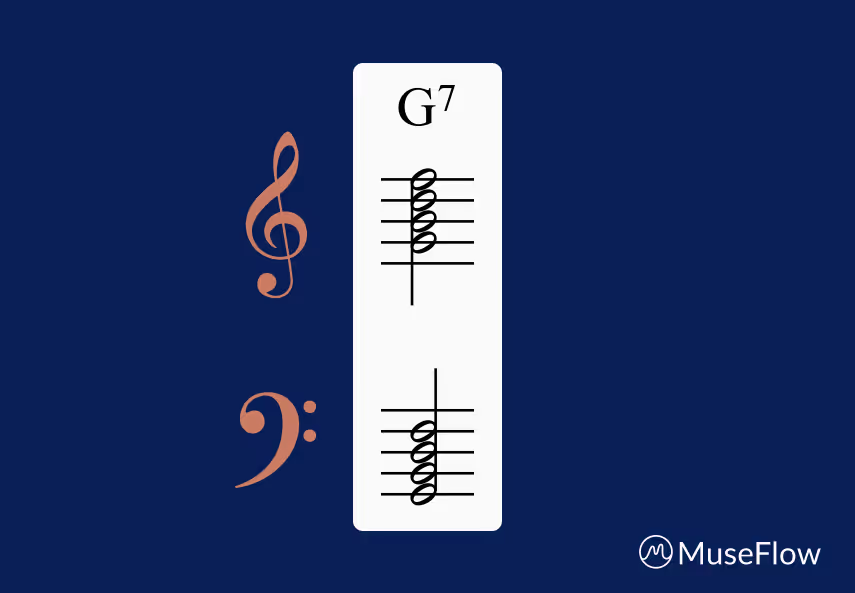
11. G7 (G-B-D-F)
This is a dominant seventh chord, which means it has four notes instead of three. G7 has a strong pull towards C Major, making it perfect for creating tension and resolution. It's used in jazz, blues, and classical music.
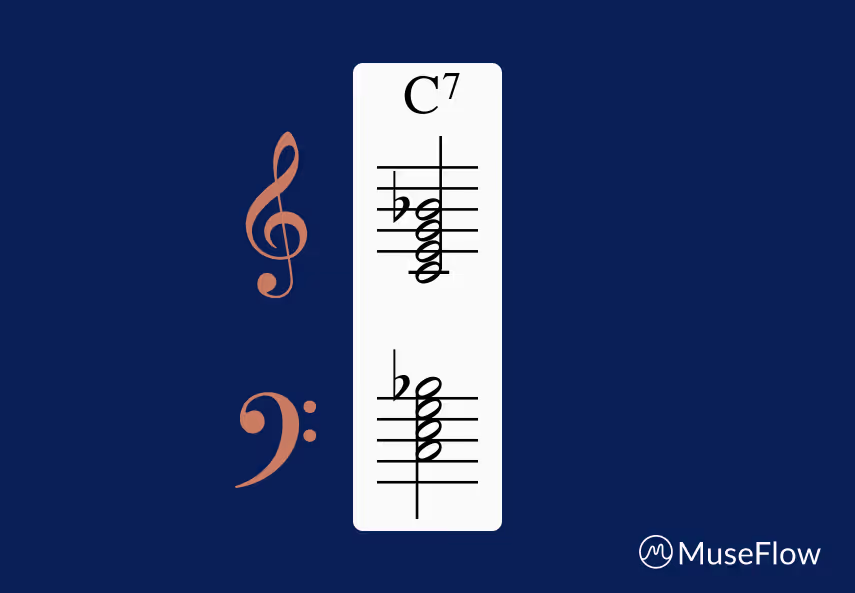
12. C7 (C-E-G-Bb)
C7 is another dominant seventh chord. It creates a bluesy, jazzy sound and is used to transition to F Major. Learning seventh chords opens up a whole new world of harmonic possibilities.
How to Practice These Chords with MuseFlow
Memorizing finger positions is one thing. Understanding how these chords function in music is another. This is where MuseFlow's approach shines. Instead of drilling isolated chords, you learn them in the context of real music through our sight reading exercises and repertoire library.
As you progress through MuseFlow's levels, you'll encounter these chords naturally. You'll see how they connect, how they resolve, and how they create the emotional landscape of a piece. This contextual learning is far more effective than rote memorization. Research on music learning shows that understanding the "why" behind the "what" leads to deeper, more lasting skills.

The Secret to Mastering Piano Chords
Here's the truth: knowing piano chords to play any song isn't just about memorizing shapes. It's about training your ear to hear them and your fingers to find them automatically. This comes from consistent, varied practice.
MuseFlow's never-repeating music generation ensures you're always encountering these chords in new contexts. You're not just playing C Major in one song; you're playing it in hundreds of different musical situations. This builds true fluency.
The benefits of learning piano extend far beyond the technical. It enhances cognitive function, emotional intelligence, and creative expression. And it all starts with mastering these foundational chords.

Ready to put these chords into action? Try MuseFlow for free and start learning piano chords for beginners the right way.. in context, with real music, and with instant feedback that makes every practice session count.

.jpg)